






Trump's Greenland Interest
Donald Trump's interest in Greenland has been a recurring theme, leading to various reactions and interpretations. Discussions have often revolved around
the potential for the United States to acquire the island. Trump's comments have ranged from expressing a desire to purchase Greenland to discussing its strategic importance. These statements have prompted a wide range of responses, from skepticism to outright rejection from Danish and Greenlandic officials. The discussions have also fueled debates on national security, geopolitical strategy, and the sovereignty of Greenland, an autonomous territory within the Kingdom of Denmark. Various news outlets have reported on this, highlighting the different angles from which Trump's statements have been analyzed, covering both political and economic dimensions of the discourse.
Geopolitical Implications
The conversations surrounding Greenland have expanded to discuss significant geopolitical implications. Greenland's location in the Arctic makes it strategically important. Its proximity to major shipping routes and potential for resource exploration have attracted international attention. This area is also seeing increased military and economic competition among major global powers. Trump's interest in Greenland must be viewed in the context of these dynamics. It relates to the broader US foreign policy strategy, particularly concerning Arctic security, potential resource access, and the ongoing power struggles in the region. Reactions to Trump's statements reflect the diverse perspectives of global actors. These perspectives encompass different national interests, alliances, and varying views on international governance and sovereignty. These considerations highlight the complexities of discussing Greenland's status and future, involving not only the US but also Denmark, Greenland, and several other countries with interests in the Arctic.
International Reactions
Donald Trump's statements about Greenland have consistently elicited strong reactions from various international parties. The Danish government has firmly rejected the idea of selling Greenland, emphasizing the island's self-governing status. Greenlandic leaders have also reiterated their desire to maintain their autonomy. These responses underscored the deep respect for Greenland's sovereignty and the established relationship between Greenland and Denmark. The public reactions have reflected the prevailing sentiment of the Danish and Greenlandic populations. These range from amusement at the idea of a sale to concerns about the potential implications for their identity and governance. Additionally, the discussions have led to broader conversations within the international community. These discussions touch upon the norms of international relations, especially concerning respect for territorial integrity and the right to self-determination. The international community's response shows how complex and sensitive these discussions are, involving legal, historical, and cultural perspectives.
Strategic Importance Unveiled
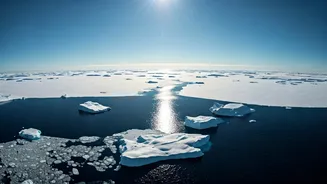
Greenland's strategic importance is primarily due to its geographic position and its significance in the Arctic region. Its location between North America and Europe makes it an area of critical importance for military and commercial operations. The island's strategic value stems from its potential for controlling air and sea routes, alongside its access to potential mineral and energy resources. This makes it a focal point for global power competition. The US has a long-standing interest in Greenland. This interest has been manifested through its military presence, especially at Thule Air Base, which is crucial for early warning systems. The growing impacts of climate change are also increasing Greenland's significance. Melting ice is opening up new shipping routes and potentially making resource extraction easier. This has further intensified interest in Greenland. The island's future will be influenced by global geopolitical dynamics, as well as by its own evolving relationship with Denmark and its pursuit of greater self-governance.
Future Outlook Explored
Looking ahead, the conversations surrounding Greenland are expected to continue evolving, with multiple factors shaping its future trajectory. Greenland's movement towards greater autonomy and self-governance will remain central. This involves negotiating with Denmark on various matters, including resource management, economic development, and international relations. The role of international actors, especially the United States, China, and Russia, will significantly influence the island's future. Their strategic interests and investments in the region will inevitably play a role. Climate change and its effects will continue to influence Greenland's environment. This will affect its economy and possibly its geopolitical significance. As the Arctic region gains more attention, the issues of sovereignty, environmental protection, and sustainable development will become more important. These elements underscore the necessity for inclusive dialogue among all involved parties, ensuring a prosperous future for Greenland while respecting its cultural and environmental heritage.