




The Invitation Extended
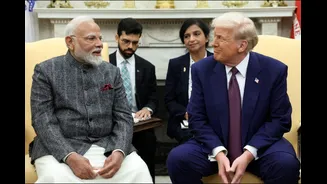
The invitation to India to join Donald Trump's Board of Peace is a noteworthy development in international relations. The specific details of the board's
objectives and its intended influence have not been explicitly stated in the provided context, yet the invitation itself holds considerable weight. It indicates a desire on the part of the inviting party to involve India in discussions and initiatives related to global peace and security. This gesture could open doors for India to participate more actively in shaping international dialogues and policies concerning peace, potentially aligning with India’s long-standing diplomatic efforts. However, the exact structure, agenda, and decision-making processes of the Board are crucial to understanding the invitation's significance.
Navigating Complexities
Participating in such a board presents a range of complexities for India. The nature of the relationship between the inviting entity and other global actors, including nations with whom India maintains partnerships or strategic interests, must be considered. Furthermore, the board's stance on critical global issues, such as trade, human rights, and geopolitical alliances, could impact India's foreign policy objectives and its existing international commitments. Understanding and navigating these complexities is vital for India to ensure that its participation on the Board aligns with its core values, national interests, and broader strategic goals. India's approach to the invitation will likely be shaped by a detailed assessment of these factors, ensuring the country can effectively contribute to peace-building efforts while protecting its own position on the global stage.
India's Strategic Interests
India's decision-making process concerning the invitation to Trump's Board of Peace will likely prioritize its strategic interests. This involves assessing how involvement in the board could influence India's relationships with other major global players, its economic partnerships, and its security concerns. The board’s potential impact on regional dynamics, especially in South Asia, will also be an important consideration. India must evaluate whether its participation can contribute to stability and cooperation in the region, supporting its own security and prosperity. Furthermore, the invitation presents an opportunity for India to advocate for its perspectives on global peace, security, and governance. India's response to the invitation will, therefore, be shaped by a careful balancing act, aiming to advance its strategic priorities while embracing opportunities for collaboration in promoting global peace.
Addressing Tricky Questions
The invitation comes with a necessity to tackle tricky questions. These include but are not limited to questions concerning the board's independence, its methods, and its alignment with international law and norms. India would need to ensure that its involvement does not compromise its commitment to multilateralism, human rights, or its existing international obligations. Understanding the goals of the board, its influence, and its operations will be key. This includes evaluating the board's decision-making process and assessing its potential impact on regional and global stability. India's involvement could also be used to address broader issues, fostering dialogue and cooperation. Resolving these tricky issues is crucial for India to confidently participate and contribute to the peace efforts while upholding its values and strategic interests.