






Savor Food, Eat Less
Embracing the Japanese principle of 'Hara Hachi Bu,' meaning to eat until you are 80% full, is a cornerstone of maintaining cardiovascular wellness. This
practice isn't about strict dieting but rather about natural calorie regulation. By consciously stopping before feeling completely sated, individuals inadvertently reduce their overall calorie intake, which directly benefits metabolism. This gentle approach to eating helps prevent overconsumption, thereby lowering the probability of developing obesity and significantly decreasing the long-term risks associated with cardiovascular diseases. It fosters a healthier relationship with food, promoting satiety without the negative health repercussions of overindulgence.
Nourish with Plants
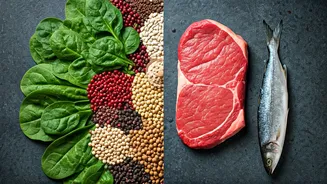
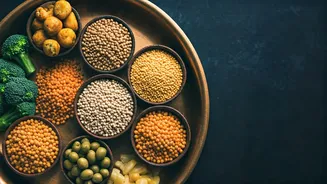
The traditional Japanese dietary landscape is a testament to the power of plant-based nutrition for heart health. It predominantly features an abundance of vegetables, soy products like tofu, nutrient-rich sea vegetables, and fermented foods, complemented by moderate fish consumption. Red meat and highly processed items are generally consumed sparingly. This dietary pattern is intrinsically linked to superior cardiovascular outcomes. A diet rich in plant-derived nutrients and low in saturated fats actively helps in reducing cholesterol levels and combating inflammation, two critical factors that contribute to heart attacks and other heart conditions. Furthermore, this eating style is associated with increased longevity and a reduced susceptibility to chronic ailments such as diabetes and hypertension.
Move Daily, Not Extremes
A fundamental aspect of Japanese daily life involves integrating consistent, moderate physical activity rather than relying on sporadic, high-intensity workouts. Common practices include walking, cycling, engaging in gardening, and other simple forms of movement that keep individuals active throughout the day. The essence lies in regularity; sustained moderate exercise is proven to decrease the risk of heart disease by a substantial 20–30%, simultaneously leading to improvements in blood pressure and circulatory function. The long-term health advantages accumulated from small, daily bouts of activity often surpass those derived from infrequent, strenuous exercise sessions. Consistency is the key driver of sustained cardiovascular benefits.
Find Life's Purpose
The Japanese concept of 'Ikigai' represents a profound element of emotional well-being that directly influences heart health. It encapsulates having a compelling reason to start each day, a deep-seated sense of purpose and meaning in one's existence. Cultivating this purpose has a direct correlation with reduced stress levels. Chronic stress, when mitigated by a clear life purpose, positively impacts cardiovascular health. Prolonged exposure to stress is a known precursor to hypertension and cardiac events, underscoring the critical importance of emotional equilibrium, which is as vital for heart health as physical fitness is.
Cherish Social Bonds
The concept of 'Moai' highlights the significant role of robust social connections in maintaining heart health. These are close-knit communities or groups that offer essential emotional support, companionship, and a sense of shared accountability. Dr. Sinha emphasizes that these strong interpersonal relationships exert a surprisingly potent influence on cardiovascular well-being. Individuals who are part of strong social networks tend to adopt healthier lifestyle choices, experience lower stress levels, and often live longer lives. The detrimental effects of loneliness are substantial; it can elevate the risk of heart disease by nearly 30%, making social connectedness a vital component of a healthy lifestyle.