



Widespread Impact Felt
Across Mumbai, from the bustling streets of Bandra to the heritage eateries of Matunga, a stark silence has fallen over kitchens. The usual symphony of clattering
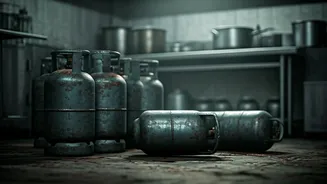
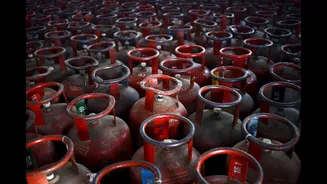
pans has been replaced by the somber sound of shutters being pulled down. This isn't a matter of dwindling customer demand; rather, it's a critical fuel shortage crippling the city's famous hospitality sector. Iconic hotels and beloved local restaurants are struggling to keep their doors open, facing indefinite shutdowns as commercial LPG cylinder supplies have all but vanished. The immediate consequence is a profound human cost, with owners warning of staff layoffs if operations cannot resume soon, as there are no viable alternatives to maintain business continuity without essential cooking gas.
Stories from the Frontline
At Pareva Hotel in Bandra, the situation is dire, with operations sustained only by a precarious half-cylinder borrowed from another establishment, a temporary fix on borrowed time. The owner faces an indefinite shutdown with no prospects of replenishment, either through official channels or the black market. Similarly, the legendary Ram Ashray Hotel, a South Indian culinary landmark, has been forced to suspend operations after three days of battling low supplies. Renowned for its slow-cooked specialties and continuous griddle items like dosas, the restaurant can no longer serve its patrons, with the manager expressing helplessness in turning customers away until the supply chain is restored. These are not isolated incidents; they represent a broader crisis affecting many of Mumbai's most cherished food destinations.
Distributor's Difficult Choices
The root of this crisis lies in a deliberate shift in government and refinery priorities, according to Chetan Modi, a prominent LPG distributor serving numerous hotels and caterers. Mumbai's 90 distributors are under strict directives to exclusively supply domestic households, ensuring home kitchens remain functional. While domestic cylinders are distributed with stringent OTP verification to prevent hoarding, commercial entities are left with absolutely no stock. Even when major hotels implore for supplies, distributors' hands are tied by these regulations. Modi highlights the dual impact: restaurants are losing business, while distributors are facing significant financial losses due to a lack of product to move, jeopardizing the entire energy supply chain for the city.
AHAR's Stark Projections
The Indian Hotels and Restaurants Association (AHAR) has painted a grim picture of the escalating situation. Yesterday, an estimated 20% of hotels and restaurants were already affected by the shortage. Today, this figure has dramatically risen, with nearly 50% of establishments forced to curtail their menus or cease operations altogether. The projections for tomorrow are even more alarming, suggesting that a staggering 70% of Mumbai's eateries may temporarily suspend their services. At Sadguru Hotel, a clear notice informs passersby about 'Orders curtailed due to unavailability of gas.' Like many others, this restaurant has discontinued labor-intensive dishes, opting to serve a severely limited menu that requires minimal fuel, a testament to the widespread impact of the LPG scarcity.
Economic and Social Fallout
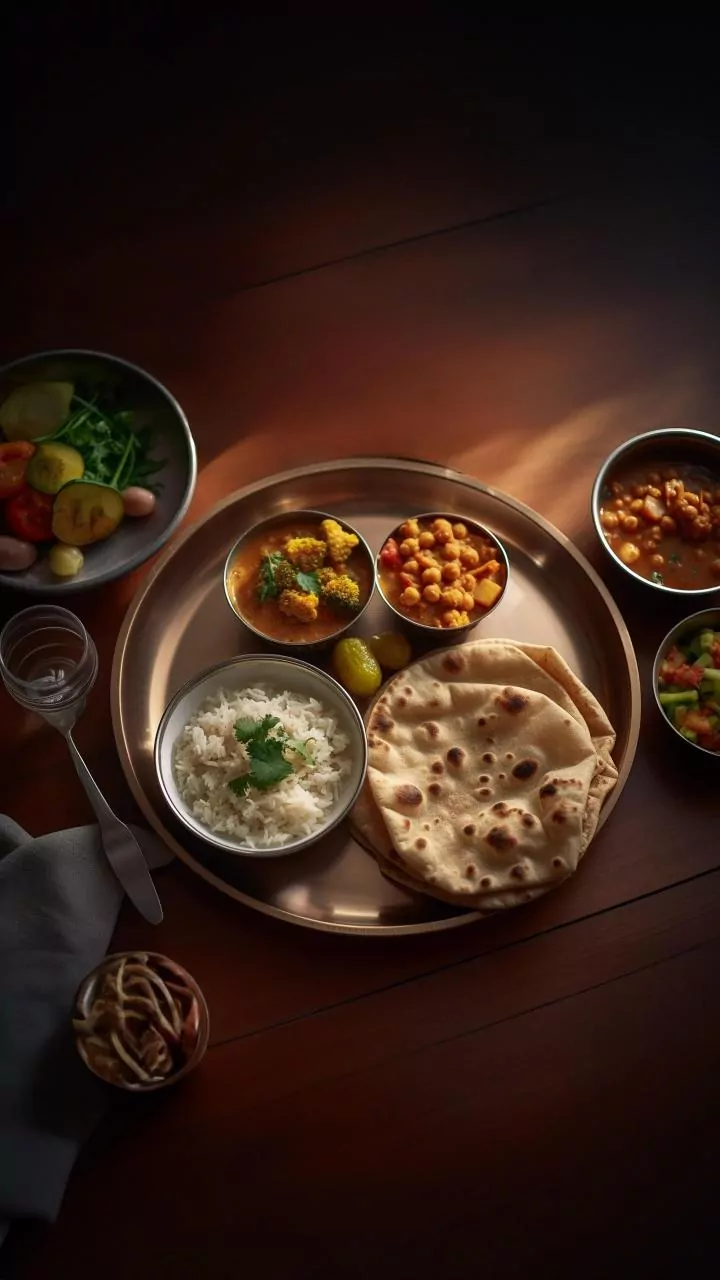
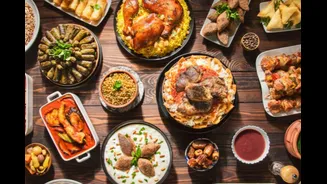
The impact of this LPG crisis extends far beyond mere inconvenience for diners; it strikes at the core of Mumbai's economy and social fabric. The hospitality sector is a significant engine of employment, supporting thousands of workers, from skilled chefs to delivery personnel, all now facing the threat of job loss. The industry typically operates on very thin profit margins, meaning even a brief disruption can lead to permanent business closures. Furthermore, the forced shift away from traditional, slow-cooked Indian meals and towards simpler, fuel-efficient options is subtly altering the city's rich culinary culture. Customers are increasingly compromising on their preferences, settling for whatever is available rather than enjoying the diverse gastronomic experiences Mumbai is known for.
A City Awaits Relief
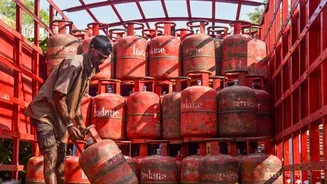
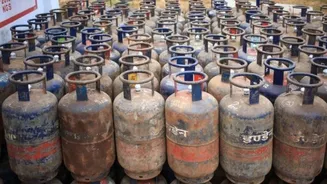
As the crisis deepens, the attention of the entire city is fixed on the government and the Oil Marketing Companies (OMCs). While prioritizing domestic gas supplies is a recognized practice, the near-complete cessation of commercial sector deliveries has created a vacuum that could take months to mend. The availability of 19-kg cylinders, essential for commercial kitchens, remains critically low. Until a more balanced approach is adopted, and supply lines are robustly restored, Mumbai's celebrated food scene remains in a precarious state, with establishments waiting for a much-needed spark of relief that may not be immediate, leaving the city's vibrant culinary landscape on a prolonged simmer.