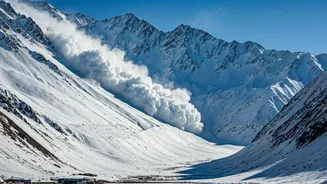








Avalanche's Dramatic Impact
The recent avalanche that struck Sonamarg, a renowned tourist destination in Jammu and Kashmir, was a visually stunning and impactful event, recorded as it
unfolded. The incident underscored the significant natural power that can dramatically transform landscapes. Footage of the avalanche revealed a vast wall of snow and ice cascading down the mountain, engulfing portions of the resort. This kind of event often leads to immediate concerns about safety, potential casualties, and damage to infrastructure. The avalanche’s impact served as a powerful reminder of nature's unpredictability and the importance of being prepared for such occurrences, especially in regions known for their mountainous terrain and winter snowfall. The visual nature of the event, captured on camera, allows a closer examination of the scale and force involved, allowing for a better understanding of the hazards in high-altitude environments.
Sonamarg's Tourist Vulnerability
Sonamarg, being a popular tourist destination, experiences high foot traffic, particularly during peak seasons. This influx of visitors naturally increases the potential for those individuals to be affected during events such as avalanches. The presence of hotels, guest houses, and other tourist-related infrastructure means that the impact of an avalanche extends beyond the immediate damage of natural forces. The resort's vulnerability underscores the need for proactive safety measures. These measures might include real-time monitoring of avalanche risks, implementing early warning systems, and regular assessments of structures and the surrounding areas. Furthermore, the event brings to light the importance of educating tourists about the potential hazards of the region and providing clear guidelines for safety and evacuation procedures. The incident acts as a crucial reminder to continuously evaluate and improve preparedness in high-risk zones to minimize both environmental and human casualties during natural calamities.
Preparedness and Safety Measures
Following the avalanche, the spotlight turned to the effectiveness of existing safety measures and the immediate need to assess and enhance preparedness strategies. The authorities likely initiated damage assessments to evaluate the scale of the destruction and potential risks. An immediate response includes efforts to locate and assist anyone affected by the avalanche. Effective emergency protocols involve teams trained in avalanche rescue, equipped with the proper resources. Proactive preparedness measures are pivotal in preventing tragedies. This requires continuous monitoring of weather patterns and snow conditions, implementing avalanche-specific forecasting systems, and developing evacuation plans. These plans must involve detailed routes and safe zones to be utilized in emergency situations. The effectiveness of these measures heavily relies on public awareness and education, enabling tourists and locals to be alert and know the proper safety procedures. Regular drills and simulations must be conducted to ensure that all parties are familiar with these measures. The overall objective is to build a resilient and safe environment for both visitors and residents, minimizing the risks associated with natural hazards like avalanches in vulnerable areas.
Lessons Learned and Future
The aftermath of the avalanche offers valuable lessons for the future. The incident encourages a thorough review of existing safety protocols, infrastructure designs, and risk assessment methodologies. The examination must include an analysis of the causes that triggered the avalanche and the extent of the damage it caused. These insights will assist in improving forecasting models and pinpointing areas most vulnerable to future events. Additionally, there needs to be an emphasis on strengthening infrastructure. This might encompass constructing buildings capable of withstanding the force of avalanches, using avalanche-resistant building materials, and fortifying critical utilities like power and communication lines. Furthermore, collaborative efforts between government agencies, the tourism industry, and local communities are critical to ensure that safety measures are both effective and regularly updated to address emerging threats. This collective approach will enhance the resilience of tourist destinations and protect lives, guaranteeing the long-term sustainability of the area as a safe and attractive tourist destination.