





Fueling Your Body
To support an active lifestyle, it's crucial to understand that your body requires the right fuel. Think of food as the primary source of energy, and its
quality greatly influences performance and well-being. A diet rich in nutrient-dense foods supports optimal function, leading to increased energy, better endurance, and quicker recovery after exercise. This includes a balance of macronutrients—carbohydrates, proteins, and fats—along with essential micronutrients like vitamins and minerals. Carbohydrates, the primary source of fuel, should come from sources such as whole grains, fruits, and vegetables. Proteins are vital for muscle repair and growth, so include lean meats, fish, beans, and lentils. Healthy fats support hormone production and nutrient absorption, and these can be found in avocados, nuts, and olive oil. By focusing on these components, active individuals can create a nutritional foundation to achieve their fitness goals.
Meal Planning Strategies
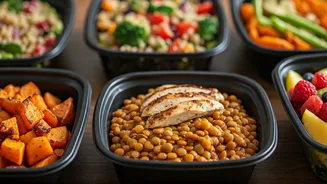
Effective meal planning is a key strategy for maintaining a healthy diet that supports activity. Begin by setting aside some time each week to plan your meals, considering your activity levels and energy needs. Start by creating a menu that includes a variety of meals and snacks to keep things interesting and ensure you're getting different nutrients. Preparing a grocery list based on your menu helps you stay organized and avoid impulse purchases of unhealthy items. Batch cooking is another great technique, as it allows you to cook larger portions of meals or components like grains and proteins that can be used throughout the week. This saves time and ensures you have healthy options readily available. Packing your meals and snacks in advance also prevents you from grabbing unhealthy alternatives when you're on the go. Meal planning provides control over your food choices, helps you eat balanced meals, and supports sustained energy levels for an active life.
Protein-Packed Choices
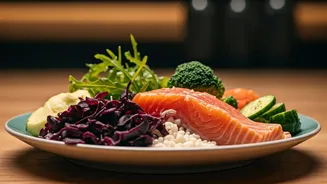
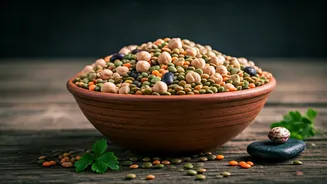
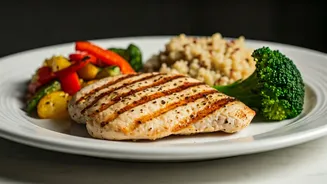
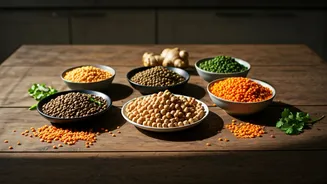
Protein is an essential nutrient for individuals with active lifestyles, playing a vital role in muscle repair, growth, and overall bodily function. The incorporation of protein-rich foods into your diet is essential. Lean meats such as chicken breast, turkey, and fish, are excellent sources that provide high-quality protein with minimal saturated fat. Vegetarian options include lentils, beans, and tofu, as they also deliver the protein necessary for supporting your physical activity goals. Incorporate these into your meals with items like chicken stir-fries, lentil soups, or tofu scrambles. Try aiming for protein in every meal to keep your body fueled and nourished. This nutrient not only aids in muscle recovery but also helps you feel satisfied, curbing unnecessary snacking and supporting sustained energy levels. Therefore, by including protein-rich foods, you ensure your body receives the support it requires for activity.
Carbohydrate Powerhouse Foods
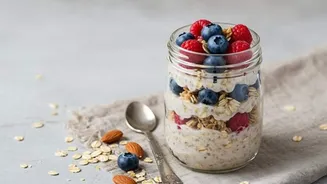
Carbohydrates are the main energy source, especially important for fueling your workouts and daily routines. When you are active, these carbs provide the glucose your body utilizes for energy. Opting for complex carbohydrates, like whole grains, fruits, and vegetables, is more beneficial than simple carbs because they are digested slower, providing sustained energy. Whole grains, such as brown rice, quinoa, and oats, also have fiber, which helps with digestion and keeps you feeling full for longer. Fruits and vegetables are rich in vitamins, minerals, and antioxidants, which support overall health and recovery. Integrate these foods into your diet through options like oatmeal with berries for breakfast, a lunchtime salad with quinoa, or a dinner of baked sweet potatoes and grilled vegetables. Consuming complex carbs ensures a steady release of energy, which enhances performance and prevents energy crashes.
Healthy Fat Sources
While often viewed with caution, healthy fats are an important part of a balanced diet for active individuals. They support various bodily functions, including hormone production, absorption of fat-soluble vitamins, and provide a secondary source of energy. Choose unsaturated fats, particularly monounsaturated and polyunsaturated fats, as they are beneficial for heart health and can reduce inflammation. Excellent sources include avocados, nuts and seeds (such as almonds, chia seeds, and flaxseeds), and olive oil. Incorporate these into your diet with options like avocado toast, a handful of almonds as a snack, or by using olive oil in your cooking and salads. Avoid saturated and trans fats found in processed foods and excessive amounts of animal products. The incorporation of healthy fats keeps you satisfied, assists with nutrient absorption, and helps sustain energy over longer periods, making it an essential element for an active life.
Hydration is Key
Proper hydration is essential for active individuals, as it directly impacts performance and overall health. During physical activity, your body loses fluids through sweat, which is necessary for cooling and regulating body temperature. Dehydration can lead to fatigue, decreased performance, and even muscle cramps. To ensure you stay hydrated, drink water consistently throughout the day, and increase your intake before, during, and after exercise. Electrolyte-rich drinks, such as sports drinks or coconut water, are beneficial for replenishing electrolytes lost through sweat, especially during prolonged or intense workouts. The amount of water you need depends on your activity level, the climate, and your individual needs, so it’s important to listen to your body and drink when you feel thirsty. Making hydration a priority will help to maintain energy levels, support muscle function, and optimize your workout performance, making it a critical aspect of an active lifestyle.
Snack Smart Choices
Incorporating smart snacks is a great way to support an active lifestyle and maintain steady energy levels. Snacks should be chosen carefully to prevent energy crashes and ensure you get essential nutrients. Great choices include a combination of protein and complex carbohydrates, such as Greek yogurt with fruit, a handful of nuts with a piece of fruit, or whole-grain crackers with avocado. These snacks provide a balanced mix of energy sources, keeping you full and satisfied until your next meal. Plan your snacks in advance to avoid less-healthy, impulsive decisions. Pack your snacks and carry them with you, whether you are running errands or heading to the gym. The right snack can improve your performance and prevent unhealthy food cravings. Healthy snacks are an essential component of an active lifestyle and contribute to maintaining your energy levels.
Putting It All Together
To fully support your active lifestyle, try combining all of these elements into a comprehensive eating plan. First, evaluate your daily activity levels and dietary goals to create a customized meal plan. Begin with a focus on whole, unprocessed foods, and ensure you include lean proteins, complex carbohydrates, and healthy fats at each meal. Practice strategic meal planning by setting aside time to prep meals in advance and carry healthy snacks with you. Consider your hydration and ensure you drink water throughout the day, especially before, during, and after physical activity. It is important to adjust your eating plan based on your body’s signals and the intensity of your workouts. Experiment with different recipes and snack combinations to see what suits your needs. The goal is to eat in a way that fuels your body to perform optimally, maintain energy, and supports your overall health and well-being. A strategic and healthy eating plan is the key to thriving in an active life.