





Language Barrier Impact
A serious predicament is unfolding for aspiring Kannada-medium educators in Maharashtra, where a critical shortage of qualified teachers is being worsened
by an unusual administrative oversight. Pro-Kannada organizations have voiced strong concerns, alleging that numerous proficient candidates are being unfairly excluded from teaching positions solely because the recruitment examinations are not being administered in the Kannada language. This means that even individuals with the necessary pedagogical skills and subject matter expertise are unable to demonstrate their capabilities, leading to a void in the availability of teachers who can instruct students in their mother tongue. The ramifications of this situation are profound, potentially compromising the quality of education for a substantial segment of the student population that relies on Kannada-medium instruction.
Recruitment Roadblocks
The recruitment process for Kannada-medium teachers in Maharashtra has become a focal point of controversy due to a fundamental flaw in its design. The core of the problem lies in the unavailability of question papers printed in Kannada. Candidates, despite possessing the requisite academic qualifications and teaching credentials, are finding themselves at a severe disadvantage. They are expected to answer questions, often of a technical or academic nature, in a language that is not their primary medium of instruction or examination. This linguistic mismatch creates an unnecessary and unjust barrier, effectively disqualifying individuals who are otherwise perfectly capable of fulfilling the teaching role. The situation is particularly galling for those who have dedicated their careers to teaching in Kannada, only to be thwarted by an administrative hurdle that seems easily surmountable with the right approach.
Advocacy and Demands
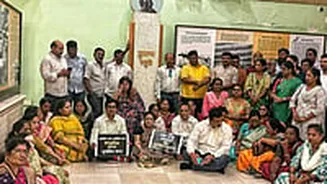
In response to the escalating crisis, proactive pro-Kannada organizations have taken a leading role in advocating for the rights of affected candidates and highlighting the systemic issues at play. These groups are actively campaigning for a resolution, emphasizing that the current recruitment practices are not only discriminatory but also detrimental to the linguistic and educational rights of the Kannada-speaking community in Maharashtra. Their primary demand is for the immediate introduction of Kannada-language question papers in all relevant teacher recruitment examinations. By pushing for this change, they aim to ensure a fair and equitable selection process that genuinely assesses the competence of candidates, rather than their proficiency in a secondary language. The organizations believe that addressing this specific procedural flaw is crucial to alleviating the teacher shortage and upholding the integrity of Kannada-medium education.