







Alarming Air Quality
The air quality in Delhi has deteriorated significantly, with the Air Quality Index (AQI) hitting 441, indicating severe conditions. This prompted the enforcement
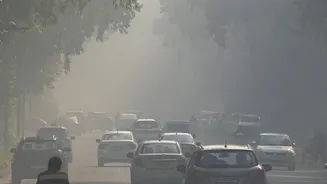
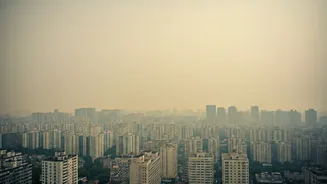
of GRAP 4, a set of stringent pollution control measures. Ashutosh Mishra reported zero visibility at Kartavya Path, highlighting the severity of the situation. The city's environment is being compared to a 'gas chamber,' reflecting the dangerous levels of pollutants in the air. This situation poses a significant health risk to the residents of Delhi.
GRAP 4 Implementation
In response to the escalating pollution levels, the authorities implemented GRAP 4. This stage involves the strictest measures to combat air pollution. These measures likely include restrictions on construction activities, the closure of certain industries, and potentially, limitations on vehicle movement. The goal of GRAP 4 is to reduce the concentration of pollutants in the air and protect public health. The effectiveness of these measures and the duration of their implementation depend on the continuous monitoring of the AQI and the prevailing weather conditions in the region.
Zero Visibility
The extreme levels of pollution have led to near-zero visibility in certain areas of Delhi. Ashutosh Mishra reported this condition at Kartavya Path, showcasing the tangible impact of the poor air quality on daily life. This drastic reduction in visibility can disrupt transportation, increase the risk of accidents, and hinder outdoor activities. It highlights the immediate and visible consequences of the environmental crisis, urging immediate and effective action.
Health Risks
The severe air quality poses significant health risks to the residents of Delhi. High levels of air pollutants can cause respiratory problems, aggravate existing health conditions, and contribute to various diseases. The situation is particularly dangerous for vulnerable groups, including children, the elderly, and those with pre-existing health issues. The continuous exposure to polluted air can lead to short-term and long-term health complications, emphasizing the urgency of tackling the air pollution challenge.
Addressing the Crisis
The current situation demands a comprehensive and multi-faceted approach to address the air pollution crisis. This includes short-term emergency measures like GRAP 4 implementation. However, the long-term solution requires sustainable strategies. These strategies may include promoting the use of cleaner fuels, investing in public transportation, regulating industrial emissions, and implementing strict pollution control measures. The cooperation of different stakeholders, including government, industry, and citizens, is crucial for improving Delhi's air quality.