
The Rupee's Slide
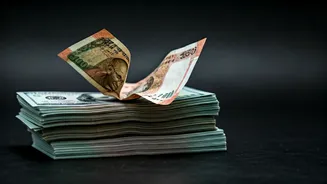
The Indian rupee recently reached a record low, trading at approximately 90 rupees per US dollar. This depreciation marks a significant shift in the currency's
value, stirring concerns among economists and investors alike. Multiple factors are at play, contributing to this downward trend. This includes global trade uncertainties, particularly those related to dollar demand and rising oil costs, which significantly influence the currency's value. These elements collectively shape the rupee's performance in the global financial arena.
Driving Factors: Explained
Several converging factors have triggered the rupee's decline. Increased demand for the dollar in the international market, often seen as a safe-haven currency during periods of economic uncertainty, has placed downward pressure on the rupee. The rise in global oil costs has also played a crucial role. India, a significant importer of crude oil, experiences increased import expenses as oil prices surge, which weakens the rupee. Furthermore, shifts in global trade dynamics and investor sentiment also affect the currency’s performance, contributing to its depreciation in comparison to the dollar.
Impact on Individuals
The rupee's depreciation has various implications for individuals across India. For those planning to travel abroad or study overseas, the cost of converting rupees into foreign currencies becomes higher, increasing the expense of international travel and education. Also, the cost of imported goods, ranging from electronics to other consumer items, typically increases, affecting household budgets. However, this may also benefit exporters, who receive more rupees for their foreign sales, potentially boosting their revenues and competitiveness in the global market. Careful financial planning is essential to manage these impacts.
Effects on Businesses
Businesses in India also encounter notable effects due to the rupee's depreciation. Exporters may see increased revenues, benefiting from a weaker rupee. On the other hand, importers face higher costs for goods purchased from overseas, which might reduce their profitability if they are unable to pass these additional costs to consumers. Additionally, the exchange rate fluctuations can introduce instability into financial projections, necessitating careful risk management strategies to shield against financial unpredictability. This underscores the need for businesses to adapt and strategize to navigate these volatile market conditions.
Long-Term Implications
The sustained depreciation of the rupee presents broader implications for India's economy. While a weaker currency can make Indian exports more competitive, it may also contribute to increased inflation, as the cost of imported goods rises, influencing overall economic growth. Policymakers must adopt appropriate measures to stabilize the rupee, including managing foreign exchange reserves and possibly raising interest rates to curb inflation. Continuous monitoring of economic indicators and proactive interventions are crucial to mitigating the adverse effects and maintaining financial stability. This proactive approach will be critical for economic sustainability.