







Mission's Core Purpose
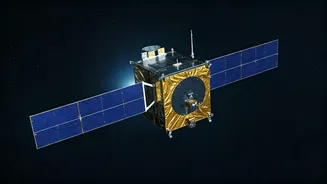
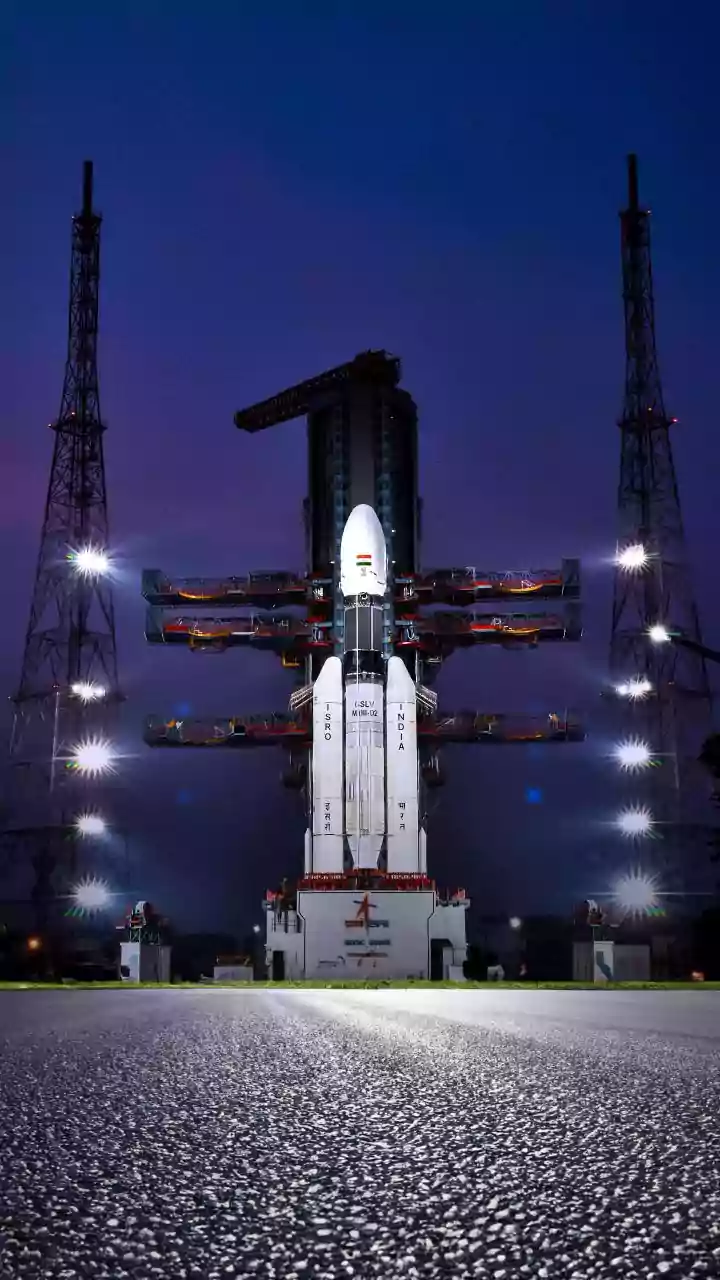
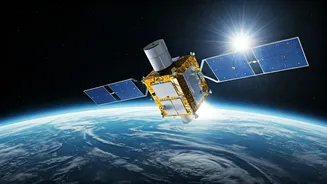
The primary objective of the PSLV-C62 mission in 2026, as planned by ISRO, revolves around the launch of the Earth Observation Satellite, 'Anvesha.' Earth observation
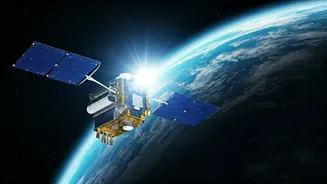
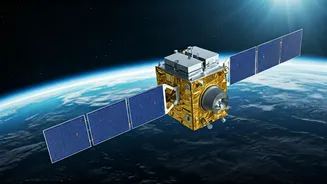
satellites play a pivotal role in monitoring our planet. This includes tracking environmental changes, such as deforestation and climate shifts, along with providing data for disaster management. They also help improve weather forecasting. 'Anvesha' is engineered to gather valuable data on land, oceans, and the atmosphere. This information is vital for policymakers, scientists, and various stakeholders involved in understanding and addressing environmental challenges. The satellite’s capabilities will strengthen India's ability to assess and manage its resources efficiently. This further reflects ISRO's broader mission: to use space technology for national development and for the benefit of humanity as a whole, demonstrating a commitment to global cooperation and sustainable development goals through the utilization of space-based data and applications.
PSLV-C62 and Anvesha
The PSLV-C62 rocket is the launch vehicle ISRO has chosen for this mission. The Polar Satellite Launch Vehicle (PSLV) is known for its reliability and versatility, having successfully launched numerous satellites, including those for international clients. The PSLV has evolved over time, becoming an essential tool in India's space endeavors. Its design allows it to launch satellites into various orbits, making it suitable for Earth observation missions. 'Anvesha', the Earth Observation Satellite that will be carried by PSLV-C62, is designed with advanced sensors and imaging technology. These features permit the satellite to capture high-resolution images and gather detailed data about Earth's surface and atmosphere. The mission aims to contribute significant amounts of new and improved data for Earth science and resource management. This mission's success will mark another important achievement for ISRO, highlighting India's growing proficiency in space technology and its contributions to understanding global environmental challenges.
Data Collection Capabilities
The 'Anvesha' satellite's capabilities extend beyond simple imagery. The satellite will collect a variety of data types, enabling scientists to study different facets of the Earth. These capabilities include monitoring crop yields, which can aid in food security planning and disaster response, especially during times of droughts or floods. It also will allow mapping of forest cover, which is important for understanding and combating deforestation, as well as enabling the tracking of air and water quality. This data will be crucial for understanding climate change impacts, as it allows researchers to track sea level rise, glacial melting, and other climate-related phenomena. 'Anvesha' will also support resource management, assisting in the identification of natural resources and enabling their sustainable management. The data collected will be valuable to different sectors, including agriculture, urban planning, and environmental protection. ISRO’s Earth Observation Satellites also contribute significantly to providing early warnings during extreme weather events and natural disasters. The mission, as planned, will promote evidence-based decision-making.
Significance of the Launch
The PSLV-C62 mission and its 'Anvesha' satellite signify a crucial step for ISRO's future in Earth observation. The successful launch will expand India’s capabilities in gathering and analyzing crucial environmental data. This mission exemplifies India's commitment to self-reliance in space technology and promotes innovation in remote sensing. It enhances India’s status as a significant spacefaring nation. The launch will have a positive impact on various sectors across India and internationally. The collected data is expected to empower India in managing its resources effectively and contribute substantially to global environmental research. Furthermore, the PSLV-C62 mission reflects ISRO’s dedication to using space for the betterment of society. This includes not only scientific research but also addressing societal needs like improved disaster management, which ultimately contributes to sustainable development, in line with global efforts to create a more resilient and sustainable planet.