


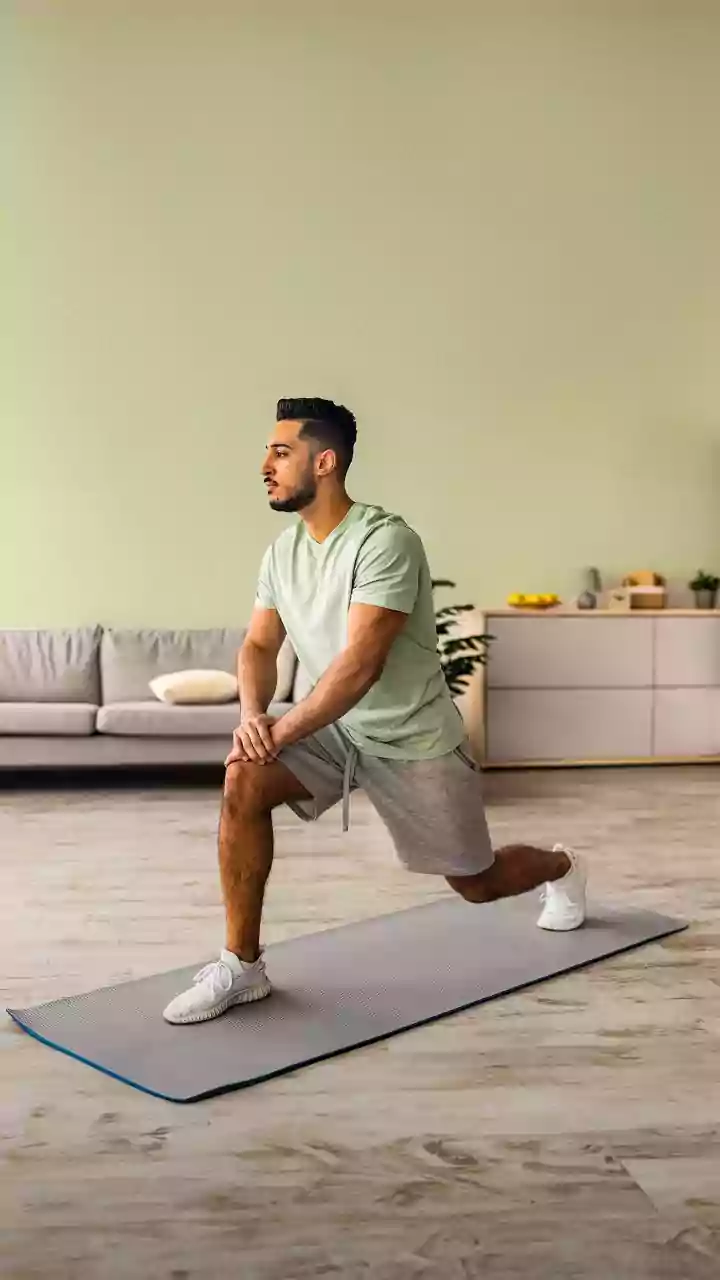




Importance of Flexibility
Flexibility is a cornerstone of physical fitness, playing a vital role in everyday movements and athletic performance. It allows for a wider range of motion
in your joints, reducing the risk of injuries and improving posture. When muscles are flexible, they can move through their full range of motion, which is crucial for activities like walking, bending, and reaching. Poor flexibility can lead to muscle imbalances, stiffness, and decreased athletic performance. Incorporating flexibility exercises into your routine can greatly improve your overall quality of life, leading to less pain and improved mobility. Regularly stretching and engaging in flexibility exercises can help maintain joint health as you age, helping you stay active and independent for longer. Enhanced flexibility also supports better blood circulation, which aids in nutrient delivery and waste removal within the muscles.
The Cat-Cow Stretch
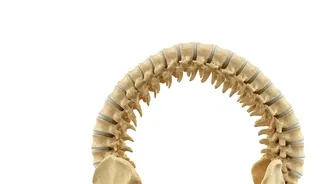
The Cat-Cow stretch, a gentle yoga flow, offers a fantastic way to increase spinal flexibility. This exercise begins on your hands and knees, with your hands shoulder-width apart and knees hip-width apart. As you inhale, drop your belly towards the floor, arching your back and lifting your chest and head towards the ceiling, which is the Cow pose. Then, as you exhale, round your spine toward the ceiling, tucking your chin to your chest and drawing your navel towards your spine – the Cat pose. Repeat these movements, coordinating them with your breath, allowing each pose to transition seamlessly into the next. The Cat-Cow sequence massages the spine, improves posture, and stimulates abdominal organs, which can contribute to better digestion. Practicing this exercise regularly can help alleviate lower back pain and relieve stress by promoting relaxation and mindful breathing.
Hamstring Stretches
Hamstring stretches are essential for anyone seeking to improve overall leg flexibility and prevent injuries. One of the most common hamstring stretches involves sitting on the floor with your legs extended in front of you. Lean forward from your hips, keeping your back straight, and reach towards your toes. You should feel a stretch in the back of your thighs. Hold this position for about 20-30 seconds, breathing deeply. Another effective hamstring stretch is the standing toe touch. Simply stand with your feet hip-width apart, and bend at your waist, aiming to touch your toes while keeping your legs as straight as possible. Ensure you don't overstretch; listen to your body and only go as far as feels comfortable. Regularly stretching the hamstrings improves flexibility, prevents injuries during sports and other activities, and reduces lower back pain.
Quadriceps Stretches
Quadriceps stretches target the muscles at the front of your thighs. A simple yet effective quadriceps stretch is the standing quad stretch. Stand with your feet hip-width apart and bend one knee, bringing your heel towards your buttocks. Grasp your ankle with your hand and gently pull your heel closer, feeling the stretch in your thigh. Keep your knees close together and maintain a straight posture. Hold this position for 20-30 seconds, and then repeat on the other side. This stretch can be done regularly to improve flexibility, reduce the risk of knee injuries, and relieve tightness often caused by prolonged sitting or physical activity. Regularly stretching your quads can also help improve your posture and reduce the strain on your lower back. Consistent practice ensures your quads remain flexible and healthy.
Shoulder Stretches
Shoulder stretches are key for enhancing upper body flexibility and reducing tension in the shoulders and neck. A simple shoulder stretch involves reaching one arm across your body, and gently pulling it closer to you with your opposite hand, feeling the stretch across the shoulder. Hold this stretch for 20-30 seconds, then switch arms. Another effective stretch is the arm across chest stretch. This stretch increases the range of motion in your shoulders, which is especially beneficial for those who spend long periods at a desk or engage in repetitive upper-body movements. Consistent shoulder stretching can prevent injuries related to the shoulder joint, like rotator cuff tears, and can also alleviate tension headaches. By incorporating shoulder stretches into your routine, you can promote better posture, reduce pain, and improve your overall mobility.
Dynamic Stretching
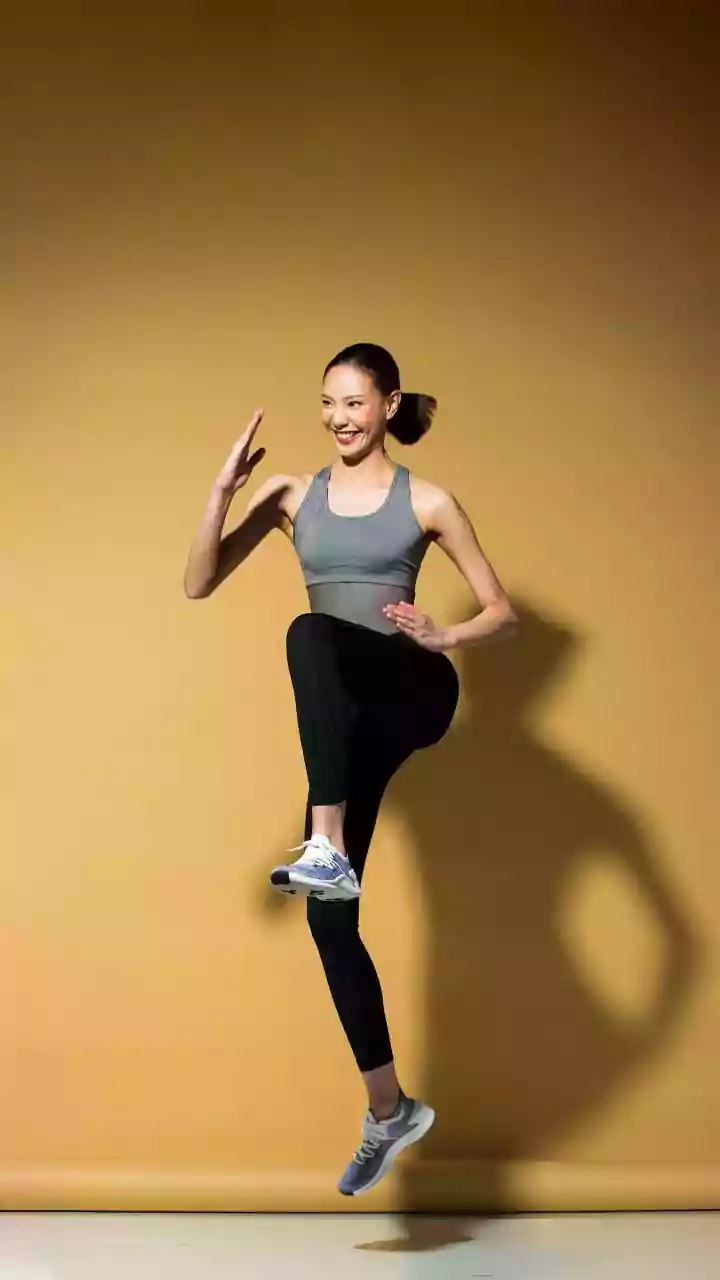
Dynamic stretching differs from static stretching, involving controlled movements that prepare your body for activity. Instead of holding a stretch, you move your limbs through a full range of motion. An example is leg swings, where you swing your legs forward and backward or side to side, gradually increasing the range of motion. Arm circles, both small and large, are another form of dynamic stretching that warms up the shoulders. Dynamic stretching increases blood flow to the muscles, improves coordination, and prepares the body for exercise or other activities. Incorporating dynamic stretches into your warm-up routine can improve athletic performance, reduce the risk of injury, and increase overall mobility. These stretches can be a good way to improve flexibility and prepare your body for the day.