







The Aging Body's Shift
As individuals cross the threshold of 30, their bodies embark on a series of natural transformations. Among the most notable is a gradual erosion of muscle
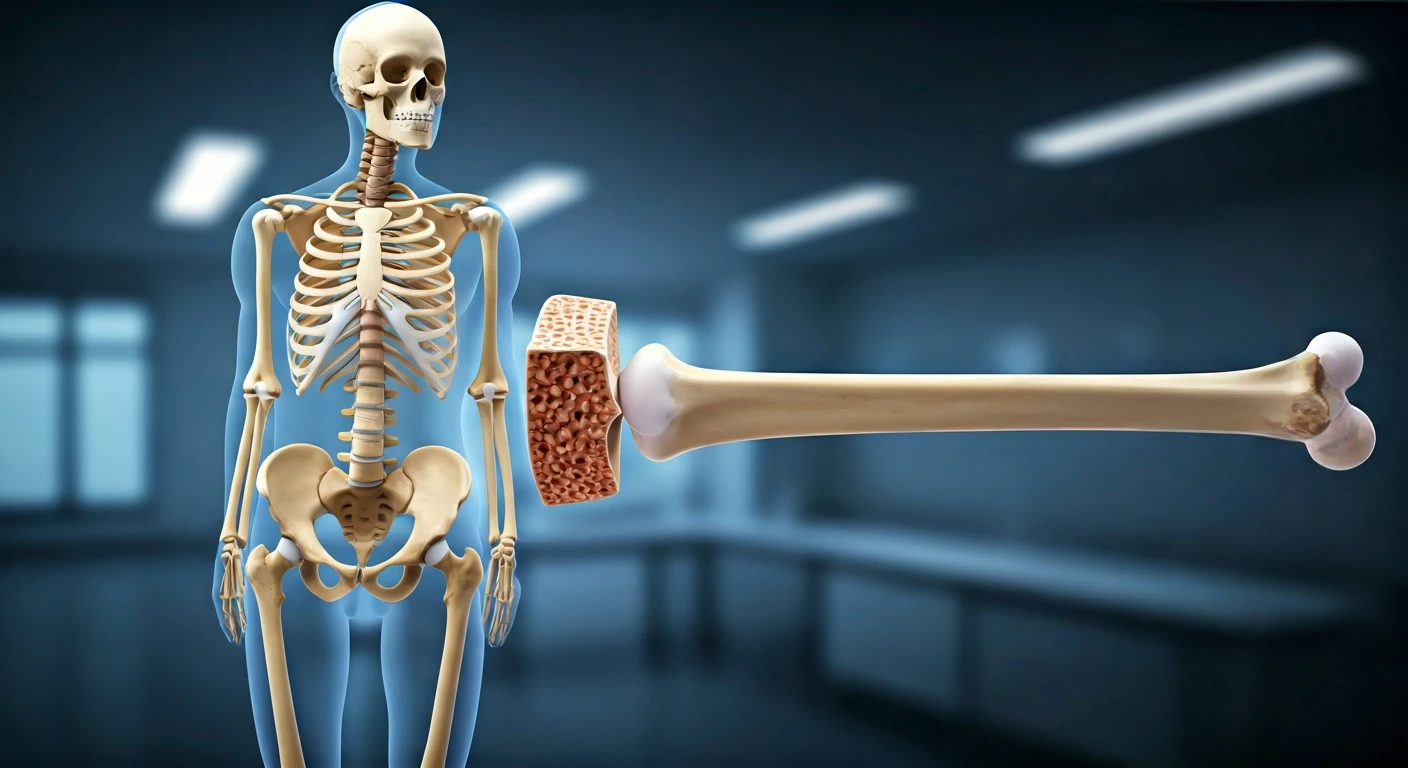
mass and a reduction in bone mineral density. This physiological shift, often imperceptible at its onset, lays the groundwork for potential health complications such as sarcopenia, a progressive muscle disorder, and osteoporosis, a condition characterized by brittle bones. The insidious nature of these conditions means they can develop without obvious symptoms, gradually diminishing physical capacity and increasing susceptibility to injury. Understanding these underlying processes is the first step towards proactively managing one's health and maintaining a robust physique well into the later years.
Sarcopenia's Subtle Grip
Sarcopenia is defined as a generalized disorder of skeletal muscles, marked by a progressive decline in both muscle mass and its functional capacity. This age-related phenomenon is a significant contributor to an increased likelihood of falls, bone fractures, and a diminished overall quality of life. While the precise etiology of sarcopenia remains a subject of ongoing research, it is widely believed to stem from a confluence of factors. These include inherent genetic predispositions, lifestyle choices that impact physical activity and nutrition, and fluctuations in hormonal levels that accompany aging. Recognizing sarcopenia as a distinct health concern, particularly in regions like India where it is often overlooked, is crucial for timely intervention and prevention.
Osteoporosis: The Silent Threat
Osteoporosis is a systemic skeletal disease that compromises bone strength and integrity, rendering bones exceedingly vulnerable to fractures. Often termed a 'silent disease,' its presence is typically only revealed when a bone breaks, as it rarely manifests overt symptoms prior to such an event. While post-menopausal women face a higher prevalence of osteoporosis due to hormonal shifts, men are not immune to its development. Contributing elements include advanced age, genetic lineage, hormonal imbalances, specific underlying medical conditions, and lifestyle decisions such as a nutrient-deficient diet and a sedentary existence. The lack of early warning signs underscores the importance of proactive bone health management.
Metabolism's Downward Spiral
The reduction in muscle mass that occurs after the age of 30 has a direct impact on the body's metabolic rate. Muscle tissue is highly metabolically active, meaning it burns calories even at rest. As muscle mass diminishes, the basal metabolic rate—the number of calories the body needs to perform basic life-sustaining functions—slows down. This metabolic deceleration can lead to the body storing more calories as fat, even if dietary habits remain unchanged. Consequently, individuals may experience unexplained weight gain. This slowed metabolism, coupled with potential insulin resistance, can contribute to weight creep and other metabolic disorders, often without the person immediately connecting it to the underlying loss of muscle.
The Interplay of Muscle and Bone
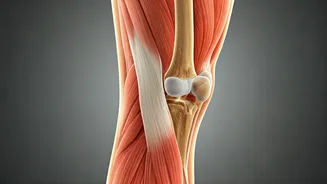
Muscles and bones are intrinsically linked, functioning in concert as a biological unit. Muscles exert mechanical forces on bones, and this continuous stimulation is vital for maintaining or even increasing bone density. When muscle mass begins to decline, the mechanical load on the skeletal system is reduced. This diminished loading can signal to the bones that they are less stressed and therefore less in need of density, contributing to progressive bone loss. The resulting weakening of bones elevates the risk of developing osteoporosis and makes them more susceptible to fractures, particularly in the context of falls or minor impacts.
Strategies for Stronger Futures
Combating age-related muscle and bone loss necessitates a multi-pronged approach focused on consistent physical activity and judicious dietary choices. Strength training, or resistance exercise, is paramount for both building and preserving muscle mass, while simultaneously stimulating bone formation and enhancing bone density. Aiming for two to three sessions weekly that target all major muscle groups, utilizing methods like weightlifting, resistance bands, or bodyweight exercises, is highly recommended. Complementing this with adequate protein intake is essential for muscle repair and growth, with lean meats, fish, eggs, dairy, and plant-based sources being excellent options. Furthermore, ensuring sufficient intake of calcium and Vitamin D is crucial for bone health, with dietary sources and, if necessary, supplements playing a key role.
Essential Nutrients and Habits
Beyond targeted strength training, a comprehensive strategy for maintaining muscle and bone health involves a balanced diet rich in essential nutrients and healthy lifestyle habits. Adequate protein is fundamental for muscle repair and synthesis. Calcium and Vitamin D are indispensable for robust bone structure; calcium provides the building blocks, while Vitamin D facilitates its absorption. Therefore, incorporating foods like dairy products, leafy greens, and fortified items into one's diet is important, alongside safe sun exposure for Vitamin D. Regular aerobic exercises, such as walking or swimming, contribute to overall physical fitness and healthy weight management, which indirectly supports bone health. Moreover, abstaining from smoking and limiting alcohol consumption are critical as these habits can negatively impact bone density and muscle integrity.
The Role of Hydration and Check-ups
Maintaining optimal hydration levels is a foundational element for supporting numerous bodily functions, including those integral to muscle and bone health. Proper fluid intake ensures that physiological processes run smoothly. In addition to these lifestyle modifications, regular medical check-ups are highly advisable, especially for individuals with a family history of sarcopenia or osteoporosis. Consulting with healthcare professionals allows for the assessment of personal risk factors and the recommendation of tailored screening tests and preventative interventions. Early detection and personalized guidance from medical experts can significantly enhance the effectiveness of strategies aimed at preserving muscle mass and bone density.