




Flavor Fundamentals
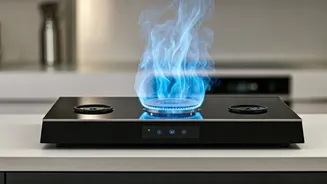
For years, the iconic 'blue flame' of gas stoves was revered by culinary purists, who believed it imbued food with an unparalleled depth of flavor. This
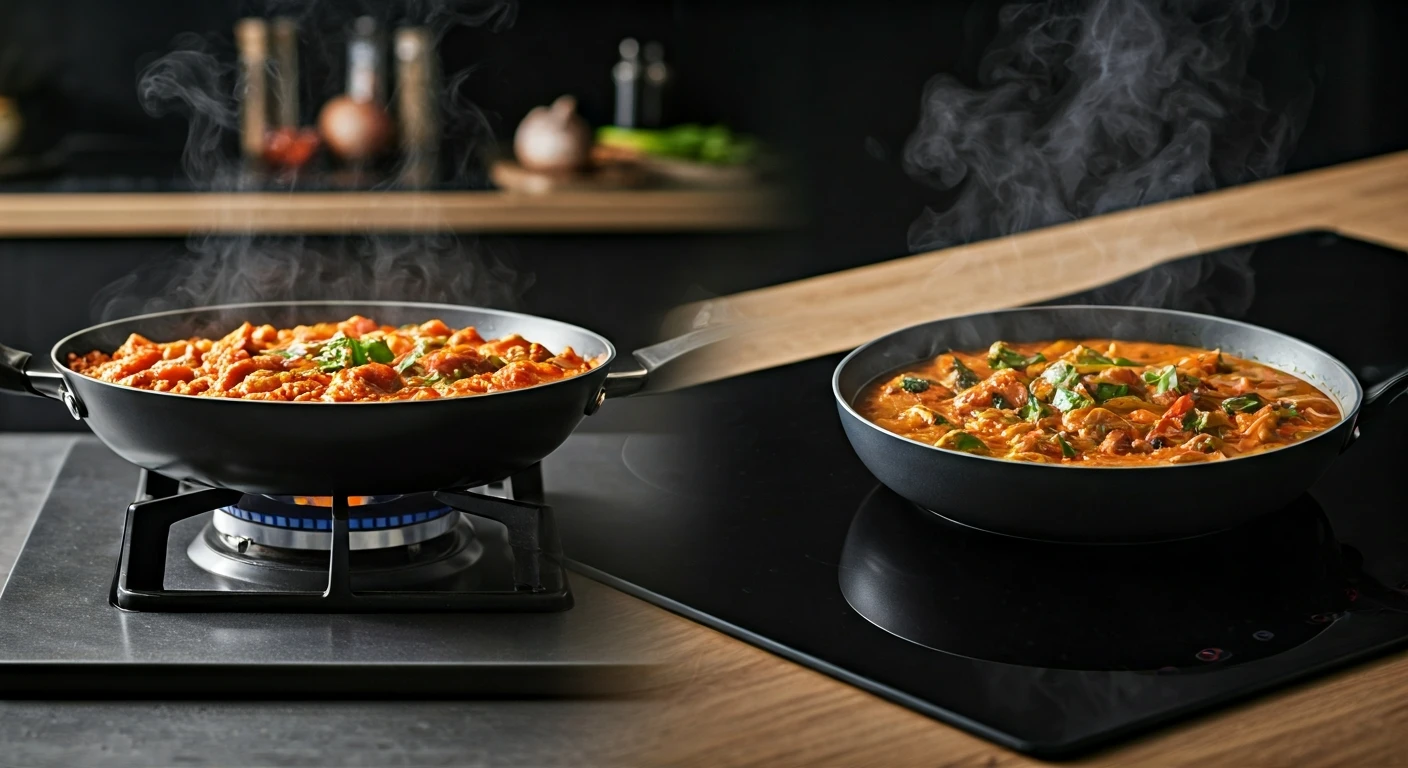
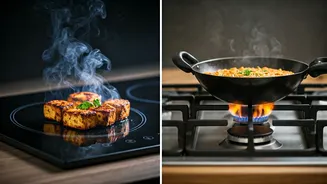
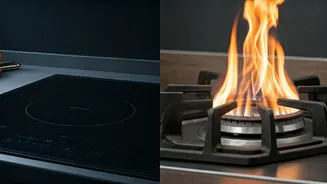
perception, however, is increasingly being challenged as induction technology advances, especially amidst fluctuating gas supply concerns. From a scientific standpoint, neither the electromagnetic field of an induction hob nor the open flame of a gas burner inherently imparts flavor. The true magic behind delicious food lies in the Maillard reaction – the complex chemical process that creates those desirable browned crusts and savory notes. Induction cooktops excel here because they reach and maintain searing temperatures with remarkable speed and consistency, often surpassing gas in their ability to achieve that perfect sear. While gas does offer a unique advantage for direct-flame charring techniques, such as roasting vegetables directly on the burner or achieving the elusive 'wok hei' with high-heat stir-frying, these are specialized applications. For the vast majority of everyday cooking, the critical factor dictating taste is the pan's temperature control, which induction often handles with superior precision, rather than the specific fuel source.
Precision for Delicate Dishes
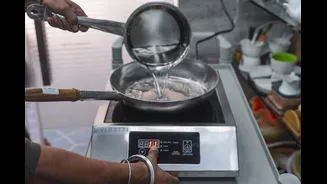
The most significant advantage induction offers for elevating dish quality, particularly with delicate preparations, lies in its exceptional temperature control at lower settings. Gas stoves, by their nature, are constrained by the minimum flame size and the inherent variability of gas pressure, making consistent low-heat cooking a challenge. This often results in sauces that scorch or custards that curdle due to unintended heat spikes. Induction hobs, on the other hand, allow for precise temperature programming, enabling tasks like gently melting chocolate or creating a perfectly smooth hollandaise sauce without the need for indirect heating methods like a double boiler. This granular control is crucial for preserving the subtle, volatile aromas of herbs and spices, preventing them from being obliterated by sudden temperature surges. By maintaining a steady, low simmer, induction fosters a more harmonious melding of flavors over time. In contrast, the fluctuating heat from a gas hob can lead to uneven cooking, where the outer layers of an ingredient overcook before the interior is adequately prepared, negatively impacting both texture and the overall balance of flavors in the final dish.
Texture and Moisture Mastery
Texture plays a pivotal role in our perception of taste, and induction's speed is a powerful asset in this regard. With an energy transfer efficiency of around 90%, induction cooktops deliver heat directly to the cookware. This translates into an almost instantaneous 'recovery time' – the duration it takes for the pan to regain its set temperature after cold ingredients are introduced. This rapid response is particularly beneficial for high-heat cooking methods like stir-frying vegetables or searing meats. On a gas hob, the temperature often drops significantly when cold ingredients are added, leading to a steaming effect where food releases its juices and loses crispness. Induction cooking, by minimizing this temperature dip, helps retain moisture within the food and achieve a crisper texture. Furthermore, unlike gas stoves that release moisture into the air as a byproduct of combustion, induction produces drier ambient air in the kitchen. While this might seem minor, it can contribute to achieving a better crispness in fried items and speed up the reduction process for sauces. As households increasingly consider moving away from gas for reasons of energy security and improved indoor air quality, the precise control offered by induction is proving to be a valuable feature, ensuring that the quality of a meal is primarily determined by the ingredients themselves, rather than the limitations of the cooking appliance.