






Visa-Free Entry Explained
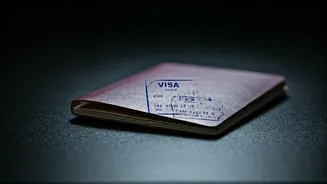
Indian citizens have the privilege of visa-free entry to Jeju Island, South Korea, for a period of up to 30 days for tourism purposes. This special provision,
however, is strictly confined to Jeju Island itself. It is imperative to understand that this exemption does not extend to mainland South Korea. For any travel beyond Jeju to other parts of the Korean peninsula, individuals must secure a proper visa beforehand. This typically involves an application process through the South Korean Embassy or Consulate in their home country. Violating this rule, by attempting to travel to the mainland without the requisite visa, can lead to significant repercussions. These may include being subjected to deportation, hefty fines, and potentially a ban from re-entering South Korea in the future. Therefore, meticulous adherence to these immigration laws is paramount for a hassle-free travel experience to Jeju.
Documentation is Key
To ensure a smooth entry into Jeju Island under the visa-free scheme, Indian nationals are strongly advised to carry specific documents in printed format, not just on mobile devices. These essential items include a confirmed return air ticket, a hotel reservation covering the entire duration of your stay, and a detailed day-by-day travel itinerary. Proof of sufficient funds for your trip, such as recent bank statements or international credit/forex cards, is also crucial. Your passport must be valid for at least six months from your date of arrival. While not always mandatory, obtaining travel insurance is highly recommended for added security. Additionally, having the contact details of your accommodation readily available is important. Immigration authorities at Jeju International Airport have the final say on entry, and they may ask questions to verify your travel plans and intentions. Failure to provide clear and consistent answers, or lacking these essential documents, could result in denial of entry.
Financial Preparedness & Immigration
Demonstrating adequate financial capacity is a critical component of the immigration process for visitors to Jeju Island. Travelers must be prepared to showcase that they possess sufficient funds to cover their daily expenses, accommodation costs, and transportation throughout their stay. Immigration officers may conduct interviews to ascertain this, and visitors are expected to provide answers that are consistent with genuine tourism objectives. Remaining calm, truthful, and cooperative during these interviews is essential. Immigration authorities have the sole discretion to grant or deny entry based on their assessment. If entry is refused, passengers will typically be placed on the next available flight back to their point of origin, often on the same airline. In certain circumstances, and depending on flight schedules, a temporary stay in a holding facility might be necessary while awaiting repatriation. It's important to note that the Indian Embassy in Seoul cannot override the decisions made by the Republic of Korea's immigration authorities regarding entry into the country, though they can offer assistance to Indian nationals in holding facilities.
Understanding Visa Waiver Limits
It is vital for all travelers utilizing the visa waiver program for Jeju Island to fully comprehend its limitations. This program exclusively permits short-term tourism on Jeju and explicitly prohibits any travel to mainland South Korea. Any attempt to depart Jeju for the mainland without obtaining the necessary visa beforehand is considered illegal and can lead to severe consequences. This includes potential future travel bans to South Korea, in addition to immediate penalties. Overstaying your permitted duration or engaging in any unauthorized activities can also result in such restrictions. The embassy emphasizes that the visa waiver scheme does not automatically guarantee entry; the final decision rests with the immigration authorities. Travelers are urged to familiarize themselves with these conditions to prevent any misunderstandings or violations that could jeopardize their travel plans and future opportunities to visit South Korea.