





Passengers Disembark
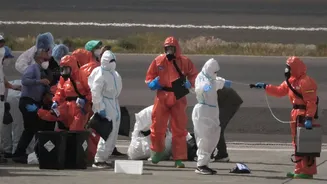
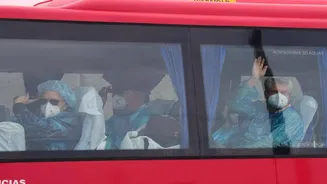
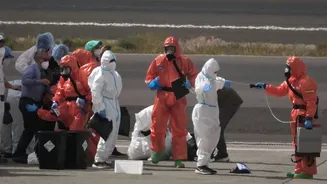
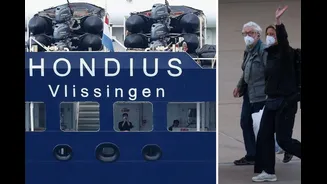
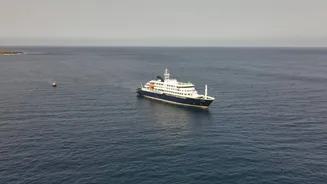
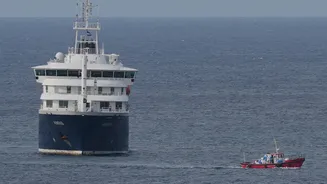
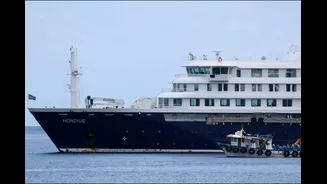
The last group of passengers has concluded their journey aboard the MV Hondius, a vessel that became the center of a hantavirus outbreak. This final departure
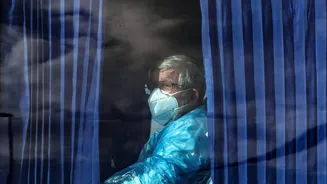
saw six individuals, including four Australians, one British national, and one New Zealander, disembark in Tenerife. This marked the culmination of an extensive repatriation effort that facilitated the return of over 90 passengers to their respective home countries in recent days. While some crew members also left the ship, a contingent of 27 individuals, primarily crew members and medical staff, remains on board under ongoing monitoring. The captain of the ship has described the situation as 'extremely challenging' and has extended condolences to the families of those who tragically lost their lives due to the outbreak.
Confirmed Cases Emerge
Authorities have confirmed the emergence of three new cases associated with the hantavirus outbreak originating from the MV Hondius. These new infections include an American national and a French national, both of whom had already returned to their home countries and tested positive. Additionally, a Spanish individual, currently in quarantine in Madrid, has reported a provisional positive result. The World Health Organization (WHO) has officially confirmed a total of seven cases linked to the ship, with an additional two suspected cases under investigation. Sadly, three passengers who traveled on the cruise have passed away, with two of these deaths directly attributed to hantavirus. The first fatality was an elderly Dutch man who became symptomatic and died onboard in April. His wife later succumbed to the virus after being evacuated to South Africa. A German woman also died on the vessel earlier this month, further underscoring the severity of the outbreak.
Official Risk Assessment
Health authorities are continuing to emphasize that the likelihood of a widespread outbreak stemming from the MV Hondius incident is very low. Officials have stated that the risk of a major outbreak is minimal. The WHO has recommended a precautionary 42-day isolation period for all individuals who were on board the ship. However, the acting head of the US Centers for Disease Control has clarified that hantavirus 'should not be treated like Covid,' noting that human-to-human transmission of this virus is exceptionally rare. This distinction is crucial for managing public perception and response, aiming to avoid unnecessary alarm while ensuring appropriate public health measures are in place. The focus remains on monitoring individuals with potential exposure and providing necessary medical care.
Global Passenger Response
Passengers who disembarked from the MV Hondius have been repatriated to various countries, including the United States, the United Kingdom, Canada, and the Netherlands. Upon arrival, US citizens are undergoing clinical assessments to monitor their health. British passengers were briefly isolated in a hospital upon their return as a precautionary measure. Canadian passengers and others are currently self-isolating at their homes, adhering to public health guidelines. In France, a patient diagnosed with hantavirus is in isolation in Paris, and health officials are actively engaged in contact tracing to identify and monitor anyone who may have been exposed. The MV Hondius embarked on its journey from Argentina on April 1, carrying 147 passengers and crew members representing 23 different nationalities. The first death occurred on April 11, with further infections becoming apparent in late April. The ship ultimately docked in Tenerife on May 10, and is now en route to the Netherlands for further management and investigation.