






Adapting to Gas Scarcity
The bustling culinary landscape of Mumbai, renowned for its efficient tiffin services that have sustained the city for decades, is currently grappling
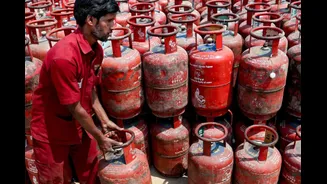
with a significant challenge: a widespread shortage of Liquefied Petroleum Gas (LPG) cylinders. This scarcity is compelling numerous kitchens, from Sakinaka to Worli, to revert to traditional cooking methods, such as employing wood-fired 'sigdis.' This shift necessitates drastic menu alterations, often leading to the exclusion of items requiring precise temperature control or extensive frying, like Chinese dishes or protein-rich rice bowls. Consequently, many operators are witnessing a substantial decline in daily orders, with some seeing a drop from 500 to as few as 300 dabbas. The increased cooking time associated with these alternative methods further strains their operational capacity and negatively impacts their catering businesses, pushing them to re-evaluate their survival strategies in this challenging environment.
Brink of Shutdown
In areas like Bhandup, the LPG crisis has pushed tiffin service providers to the precipice of closure. Omkar Ajit Patkar, running Bhojanyan Tiffin Service, reports a complete absence of LPG cylinder deliveries for two weeks, forcing him to rely on two electric coil stoves after exhausting his rationed supply. This transition has more than doubled cooking times, making it impractical to maintain his usual operations, especially with a dedicated roti-making machine also dependent on LPG. While demand for tiffins has paradoxically surged due to other eateries closing, his capacity is severely limited. The financial strain of paying Rs 25,000 monthly for kitchen space and supporting seven staff becomes unsustainable with reduced output. Similarly, Laxmi Tiffin Service in Jogeshwari had to cease operations after their second cylinder ran out, with gas agencies offering no concrete timeline for resolution, leaving around 70 daily customers without their meals.
Rising Costs, Shrinking Margins
The financial ramifications of the LPG shortage are starkly evident in Worli Koliwada, where tiffin service operators are experiencing a dramatic escalation in costs. Nitin Morgaonkar of Aaicha Dabba Tiffin Service notes that the price of a 14-kg LPG cylinder has ballooned from Rs 920 to between Rs 2,500 and Rs 3,000. This increase has directly impacted meal pricing; a basic roti-sabzi meal, once priced at Rs 120, now costs Rs 135, and Rs 175 with delivery. These price adjustments have unfortunately led to a significant shrinkage in profit margins, estimated at nearly 30%. A major casualty has been Morgaonkar's roti supply business, which employed five women to produce approximately 2,000 chapatis daily for bulk sale. The necessity to discontinue this service, due to operational constraints, has resulted in the loss of livelihood for these women, highlighting the ripple effect of the crisis on employment within the tiffin network.
Insulated and Contingency Plans
While many tiffin services grapple with the LPG shortage, a segment of operators remains relatively insulated, largely due to access to alternative fuel sources. Businesses like Gogo Tiffins in Mulund, Ghar Ki Rasoi in Kandivali, and Tattvam Foods in Malad, which utilize piped natural gas (PNG), have largely avoided the disruptions. For others, like Bhumi Tiffins in Thane, contingency plans are in place. The owner, having recently transitioned to a commercial kitchen from a home setup, has the option to revert to cooking from home where PNG is available if their commercial supply is interrupted. These instances highlight the vulnerability of businesses dependent solely on LPG and underscore the importance of diversified energy solutions for ensuring operational continuity in the face of supply chain disruptions and market volatilities.
Government Intervention & Operator Uncertainty
In response to the widespread disruption, the Central government has implemented measures to alleviate the LPG crisis, including a 20% increase in the supply of commercial LPG to all states, aiming to restore allocations to 50% of pre-crisis levels. This directive, issued on March 21, prioritizes key sectors such as restaurants, hotels, and food processing units, with an emphasis on preventing diversion and black marketing. However, despite these directives, many tiffin service operators remain uncertain about the practical implementation and timeline for receiving these increased supplies. Operators like Chirag Purohit and Omkar Patkar report continued delays and a lack of clear communication from gas agencies, indicating that the increased allocation has not yet translated into tangible relief. Furthermore, the requirement for commercial and industrial LPG consumers to register with Oil Marketing Companies and apply for PNG where applicable adds another layer of complexity, leaving smaller operators who may not hold commercial licenses in a state of continued apprehension.