





Cold Wave's Grip Tightens
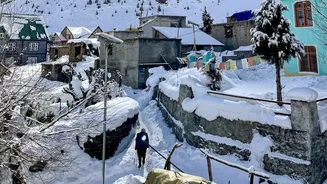
The biting cold wave has firmly established its presence over North India, with Delhi at the epicenter of the frosty conditions. The IMD has issued a critical
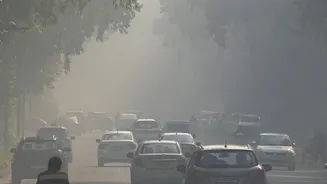
'dense fog' alert, indicating a significant reduction in visibility across the region. This weather phenomenon is not just a seasonal inconvenience; it poses substantial risks to transportation and daily routines. The intense fog significantly impacts road and rail travel, creating dangerous conditions for commuters. The alert from the weather department calls for vigilance, suggesting people take necessary precautions to stay safe during this period. The cold wave's persistence is a stark reminder of the extreme weather conditions that can arise during the winter months, affecting a large population.
Fog Disrupts Operations
The 'dense fog' conditions have inevitably triggered disruptions to air travel, causing significant delays and affecting numerous flights in and out of Delhi. Airports are implementing measures to mitigate the impact, including revised flight schedules and potential diversions. Passengers are advised to check the status of their flights before heading to the airport. This situation creates considerable inconvenience for travelers and also impacts the operational efficiency of airlines. The authorities and airport management are actively working to minimize these disruptions, ensuring passenger safety. The fog's impact on air travel underscores the vulnerability of critical infrastructure to extreme weather events and highlights the need for preparedness and adaptable strategies in the face of challenging conditions. This event is a signal for the need of better planning for such eventualities.
Air Quality Deteriorates
Simultaneous to the fog, Delhi is witnessing a concerning spike in air pollution, with the AQI reaching 'severe' levels in several areas. The combination of fog and pollutants creates a dangerous mix, heightening the health risks for residents. This deterioration of air quality is a significant public health issue. Authorities are likely to issue health advisories, urging vulnerable populations like the elderly, children, and those with respiratory ailments to stay indoors and limit outdoor activities. This alarming situation once again points to the urgent need for long-term strategies to combat air pollution, including improved emission controls and promoting sustainable practices to enhance air quality standards in Delhi and the neighboring regions.
IMD's Warnings & Actions
The IMD's role in monitoring and forecasting these weather conditions is critical. Their alerts and advisories provide essential information, allowing people and institutions to prepare for extreme events. These warnings are vital to help people plan their daily activities and take necessary precautions to ensure their safety. The authorities also provide updates and implement emergency response measures based on the IMD's forecasts. These measures help to mitigate the impact of the cold wave and dense fog, which is a great help to the residents of Delhi. The ongoing situation highlights the importance of the work carried out by meteorological agencies, in anticipating and communicating hazards, as well as the importance of individual responsibilities for safety, and for contributing to the overall wellbeing of the community.