





The WFH Struggle
A recent online discussion, originating from the r/developersIndia subreddit, has brought to light the significant challenges some remote workers face
regarding sustained energy and mental clarity. One employee's detailed account of experiencing persistent exhaustion, dizziness, and an inability to concentrate after four months of working from home resonated widely. Despite adhering to a seemingly adequate sleep schedule of eight to nine hours nightly, the individual consistently felt drained upon waking, impacting their overall productivity and sense of well-being. This widespread concern highlights a potentially overlooked consequence of remote work setups, prompting a deeper examination of the environmental and lifestyle factors that can contribute to such debilitating symptoms and affecting the modern workforce.
Workspace's Sunlight Deficiency
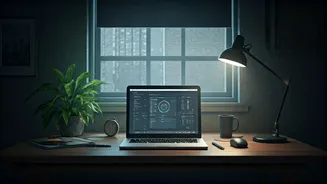
A primary suspect for the employee's persistent malaise was identified as their home office environment. The user described the workspace as a room entirely devoid of windows, with virtually no access to natural sunlight due to its placement against a neighboring building's wall. This lack of natural light is a significant factor, as it can directly influence circadian rhythms and vitamin D production, both crucial for energy levels and mood. The daily routine, starting with work at 9:30 AM and immediately followed by stand-up meetings, further exacerbated the feeling of being confined, with little opportunity to step outside or absorb any natural illumination. This confined, windowless setting raises critical questions about the long-term health implications of prolonged indoor work without adequate environmental stimuli, emphasizing the need for mindful workspace design.
Evolving Work and AI's Role
The employee also reflected on how the nature of their work has transformed, particularly with the increasing integration of artificial intelligence tools like Claude and Cursor. They expressed a sense of nostalgia for the higher intensity and direct engagement associated with traditional development tasks, suggesting that the current work landscape feels less stimulating. This shift in work dynamics, coupled with the challenges of maintaining focus, has made even upskilling and educational activities feel monotonous and difficult to sustain. The perceived reduction in intellectual challenge and the reliance on AI might be contributing to a feeling of disengagement and mental fatigue, adding another layer to the employee's struggle beyond just physical environmental factors.
Seeking Solutions Online
In search of answers, the employee turned to the online community, posing crucial questions about their symptoms. They specifically inquired whether their issues could be attributed to deficiencies in Vitamin D or iron, potentially caused by the limited sunlight exposure, and whether seeking medical advice would be prudent. Furthermore, they sought practical strategies for managing a workspace that lacks natural light. The post quickly garnered a substantial response, with users offering a mix of anecdotal advice, lifestyle modifications, and medical suggestions. This collective response underscores the shared experience of remote work challenges and the community's desire to find effective solutions for well-being.
Community Advice and Insights
The internet's reaction provided a spectrum of recommendations, from practical lifestyle adjustments to direct medical interventions. Many users emphasized the importance of regular physical activity, suggesting gym memberships and daily walks, particularly in the sun. Specific advice included incorporating a 15-minute sunlit walk before starting the day and taking short breaks every 30 minutes to move around the house. A significant point of consensus revolved around the potential impact of vitamin deficiencies, with strong recommendations for blood tests to check Vitamin D and iron levels. One user even suggested using a 10,000 lux daylight lamp as a substitute for natural light during the workday, highlighting its potential to make a tangible difference.