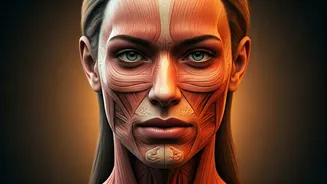







Beyond Surface Level
While conventional dermatology often attributes acne to hormones, bacteria, or blocked pores, traditional healing systems like Ayurveda offer a different
perspective. Integrative health discussions are increasingly highlighting how the appearance and location of skin eruptions could be subtle indicators of deeper physiological imbalances. This ancient practice suggests that by examining where pimples appear on your face, you can gain insights into the well-being of various internal organs and bodily systems. It's a fascinating approach that encourages us to look beyond the purely cosmetic and consider the body as an interconnected whole, where skin health is a reflection of internal harmony.
Facial Zones & Organs
Ayurveda proposes a compelling concept known as facial mapping, where distinct areas of the face are believed to correspond with specific internal organs. For instance, breakouts on the cheeks are often associated with the digestive system, particularly the health of the stomach. Inflammation here might signal sluggish digestion or the accumulation of metabolic waste, known as 'ama' in Ayurvedic terms. Similarly, pimples appearing along the jawline and chin area are frequently linked to respiratory function and overall lung health. Persistent acne in this zone could be a sign of exposure to environmental pollutants, the effects of smoking, or chronic nasal congestion. This mapping suggests a narrative for our skin, urging us to consider lifestyle factors affecting these internal systems.
Hormones and Health
The lower part of the face, specifically the chin and jawline, is also closely connected to reproductive health in Ayurvedic face mapping. Breakouts in this region can be indicative of hormonal fluctuations, which can be influenced by various factors such as stress, conditions like Polycystic Ovarian Syndrome (PCOS), or the natural cycles of a woman's menstrual period. Ayurvedic practitioners suggest that imbalances in this area might reflect gynaecological concerns, highlighting a potential link between hormonal equilibrium and clear skin. While modern science is still exploring these correlations, it's undeniable that lifestyle choices impacting internal well-being, such as diet and stress levels, can manifest externally on the skin.
Nose, Liver & Emotions
Shifting focus, the nose is considered in Ayurveda to be connected to cardiovascular health and circulation. While blushing from excitement might cause temporary redness, persistent inflammation around the nose could signal more significant issues. Conditions like rosacea, elevated blood pressure, or even excessive alcohol consumption might contribute to such persistent redness. Furthermore, the temples are believed to be linked to the liver's function. Acne or inflammation in this area might be a consequence of a diet high in fatty foods, heavy alcohol intake, or insufficient bodily detoxification processes. Likewise, puffiness or breakouts under the eyes can suggest kidney stress and imbalances in fluid regulation, often exacerbated by dehydration, lack of sleep, or continued alcohol consumption.
Holistic Skin Awareness
It is crucial to understand that Ayurvedic face mapping is not intended to be a standalone diagnostic tool. Healthcare professionals emphasize that it should not replace conventional medical advice or diagnosis. However, this ancient practice serves as a valuable reminder to critically assess our daily lifestyle choices. By paying attention to where breakouts occur, we can be prompted to re-evaluate our diet, ensure adequate hydration, prioritize quality sleep, and actively manage our stress levels. These fundamental aspects of well-being are intrinsically linked to both our internal health and the clarity and vitality of our skin, offering a holistic approach to achieving better health from the inside out.