
Idli: South Indian Staple
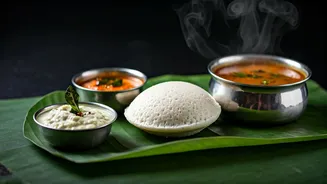
Idli, a beloved South Indian breakfast, takes the top spot. It is a steamed cake made from fermented rice and lentil batter. The process starts by soaking
the rice and urad dal (black lentils) separately, then grinding them into a smooth batter, and finally, allowing it to ferment overnight. This fermentation gives idli its characteristic soft texture and slightly tangy flavor. The batter is then poured into idli molds and steamed until fluffy. Commonly served with sambar (a lentil-based vegetable stew) and coconut chutney, idli is a light, easily digestible, and a complete meal, providing carbohydrates, protein, and fiber.
Dhokla: Gujarati Delight
Dhokla, originating from Gujarat, is another steamed breakfast option that's incredibly popular. This savory snack is made from a fermented batter of gram flour (besan), semolina, and spices. The batter is steamed until it becomes spongy and light. Its unique flavor profile comes from the tempering of mustard seeds, curry leaves, and green chilies in hot oil, which is then poured over the dhokla, adding both flavor and visual appeal. Dhokla is often served with green chutney and is a great source of carbohydrates and protein, making it an ideal breakfast choice.
Modak: Maharashtrian Sweet
Modak, a sweet steamed dumpling, is especially popular in Maharashtra, particularly during the Ganesh Chaturthi festival. It is typically made from rice flour and stuffed with a mixture of grated coconut and jaggery. The rice flour dough is shaped to encase the filling, then steamed. The outer shell gets a soft texture and the filling inside provides a sweet and slightly chewy texture. These offerings are considered auspicious, and they are delicious, offering a combination of sweetness and coconut flavors. They provide a quick energy boost, and are generally consumed as a light meal.
Puttu: Kerala’s Breakfast
Puttu is a popular breakfast dish from Kerala, consisting of steamed cylinders of ground rice layered with grated coconut. The traditional method involves using a puttu kutti (a cylindrical steamer). The rice flour and coconut are layered inside the kutti and then steamed. Alternatively, puttu can be prepared in a pressure cooker. Puttu is usually eaten with kadala curry (black chickpea curry), or with banana and sugar. This dish is rich in carbohydrates and fiber from the rice and coconut, making it a hearty and filling breakfast option. Its distinct flavor and texture come from the coconut and the steaming process.
Khaman: Another Gujarati Dish
Khaman is another Gujarati steamed snack, very similar to dhokla but with a different batter composition. While dhokla uses a batter of gram flour, khaman primarily uses chana dal (split chickpeas) soaked and ground into a batter. The batter is fermented, steamed, and then tempered with mustard seeds, asafoetida, and curry leaves. It is often served with a variety of chutneys. Khaman is known for its light, fluffy texture and tangy taste. It is a good source of protein from chana dal, making it a satisfying breakfast. The addition of spices contributes to both taste and potential digestive benefits.
Idiyappam: String Hoppers
Idiyappam, also known as string hoppers, is a South Indian breakfast made from rice flour. The rice flour dough is pressed through a sevai maker to create thin, noodle-like strands, which are then steamed. These delicate strands are often served with coconut milk, vegetable stews, or egg curry. This breakfast is light, easy to digest, and provides carbohydrates. The preparation technique adds to the distinctive texture of idiyappam, which is both soft and slightly chewy. The neutral flavor of the string hoppers makes them versatile, pairing well with a range of accompaniments, offering variety and taste.
Momos: Himalayan Influence
Momos, popular in the Himalayan regions and now widely enjoyed across India, are steamed dumplings. They typically feature a filling of minced meat or vegetables, seasoned with spices, and wrapped in a wheat flour dough. They are then steamed until the dough is cooked through. Served with a spicy tomato chutney, momos offer a filling and flavorful breakfast. The steaming process keeps the dumplings juicy and brings out the flavor of the filling. Momos present a good source of protein, with the meat variety offering extra nutrition. The ease of preparation and the delicious flavor make momos a popular morning choice.
Muttai Paniyaram: Chettinad Treat
Muttai Paniyaram, a savory South Indian dish, is made with a batter of rice flour and eggs, seasoned with onions, chilies, and other spices. The batter is poured into a special pan with small, round cavities and steamed. The egg contributes significantly to the taste and texture. This creates a fluffy, slightly crispy exterior and a soft, flavorful interior. They are commonly served with chutney. Muttai Paniyaram offers both protein from eggs and carbohydrates from rice flour, making a balanced breakfast. Its unique preparation provides a distinctive textural experience and a savory profile.
Bati: Rajasthani Staple
Bati, a hard, round bread that is a staple of Rajasthani cuisine, is often steamed or baked. The dough is primarily made from wheat flour. The bati is typically served with dal (lentil soup) and churma (sweet crumbled bread). The combination of bati, dal, and churma provides a well-rounded meal with carbohydrates, protein, and fat. The steaming or baking ensures a crunchy exterior and a soft interior. Bati is filling and satisfying, providing sustained energy throughout the morning. The dal offers a protein-rich accompaniment, while the churma adds a touch of sweetness.
Kottu: Sri Lankan Influence
Kottu, although Sri Lankan in origin, is a popular breakfast choice in certain parts of India. It involves chopping roti (flatbread) into small pieces and mixing it with vegetables, meat (optional), and spices on a heated griddle. The mixture is then steamed. The process of chopping and mixing creates a medley of flavors and textures. Kottu is a complete meal, providing carbohydrates from the roti, protein from vegetables or meat, and a satisfying overall flavor profile. The steamed preparation keeps the kottu moist and enhances the flavors of the spices and ingredients.