





Nostalgic Kitchen Revelations
Chef Adwait Anantwar, a prominent figure in the culinary scene, recently found himself back in his mother's kitchen, a space brimming with the comforting
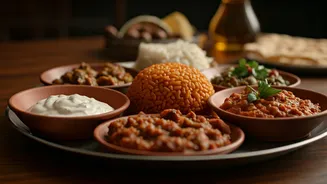
aromas of his childhood. Visiting him from Nagpur, his parents provided the perfect opportunity for him to delve into the authentic Maharashtrian dishes that have long held a special place in his heart. The menu for the day was a carefully curated selection of regional favorites, including the distinctive tarri poha, a Nagpur specialty featuring flattened rice topped with a flavorful, spicy curry enriched by goda masala. Alongside this was matki chi usal, a dry preparation made from moth beans, and fanas chi bhaji, a dish highlighting jackfruit. Masala bhaat, cooked traditionally in a kadhai rather than a pressure cooker for enhanced flavor, and vadi kadhi, a comforting yogurt-based soup with dumplings crafted from a blend of chana, moong, and matki, completed the meal. This intimate, unstyled setting provided a stark contrast to the often hyper-stylized presentation found in modern culinary spaces, evoking a sense of authentic home cooking.
Seeds of Culinary Passion
Chef Anantwar’s path to the kitchen was not a direct one. Growing up, his mother, prioritizing his academic pursuits, would gently steer him away from culinary explorations with reminders to 'Go and study.' Despite this, his fascination with food began subtly, fueled by hours spent watching cooking shows, particularly those hosted by Chef Vicky Ratnani. His mother recalls his consistent academic success, while his father, a retired banker, initially envisioned a career for him in computer applications. The turning point arrived during his college years when a chance encounter at a gym led him to a local food joint owner who offered him a job. This hands-on experience, involving everything from pizza and pasta preparation to mocktail mixing, ignited a definitive spark. Within a year, he knew unequivocally that a career in culinary arts was his true calling. This realization prompted him to pursue hotel management after college, a decision that his father initially found difficult to accept, but which Adwait was determined to follow through.
Global Ascent and Innovation
Following his graduation from the Culinary Academy of India in Hyderabad, Chef Anantwar honed his skills through brief stints before receiving a compelling offer to relocate to Dubai. He spent over three and a half years there, absorbing diverse culinary influences. His career took another significant turn when Atelier Hospitality approached him for their inaugural Middle Eastern venture, Mohalla, an upscale Indian casual dining establishment. By 2018, he had ascended from a management trainee to leading the restaurant. Early on, he openly admits to making numerous mistakes but quickly learned to anticipate and effectively manage challenges. He dedicated nearly all his waking hours to the restaurant, sacrificing weekends, to ensure its success. The onset of the pandemic presented a new landscape, prompting him to explore food videos. This period of reflection sparked an innovative idea: the fusion of Indian and Japanese cuisines. He observed the growing popularity of Nikkei cuisine (Peruvian-Japanese) and wondered about the potential of combining the maximalist approach of Indian food with the minimalist elegance of Japanese culinary traditions. This concept, born from a desire to forge a unique identity separate from comparisons to other chefs, would eventually materialize into his acclaimed restaurant, INJA.
The Birth of INJA
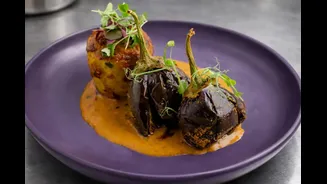
The innovative concept of blending Indian and Japanese culinary philosophies, conceived during the pandemic, took approximately three years to fully materialize into INJA. Chef Anantwar's decision to create INJA stemmed from a deep-seated desire to escape constant comparisons with other chefs, a feeling he strongly disliked. He deliberately steered clear of progressive Indian cuisine, knowing it would invite endless comparisons. Instead, between 2020 and 2023, he meticulously reimagined and fused flavors from both Indian and Japanese traditions. INJA finally opened its doors in 2023 at The Manor in New Delhi, quickly garnering significant attention. Dishes like lobster dashni, which features lobster delicately poached in rasam, and his reimagined, cold interpretation of palak paneer, alongside gulkand pork chashu (pork braised and barbecued and finished with a sweet rose petal gulkand marinade), captivated diners. The restaurant has since received numerous awards and recognitions, solidifying its status as a culinary innovator in a short period.
Recreating Tarri Poha
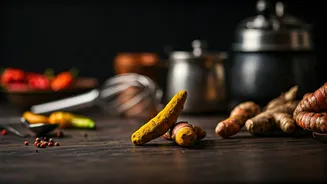
In the heart of the kitchen, Chef Anantwar meticulously prepared the tarri poha, a cherished Nagpur specialty. He began by gently rinsing the thick poha under running water for a few seconds, ensuring it softened without becoming mushy, then letting it rest. A sprinkle of salt and turmeric followed, tossed gently to coat. Meanwhile, his mother added the final touches to the tarri, the spicy chana curry. She prepared it using the authentic Maharashtrian goda masala, a complex blend of spices including coriander, cumin, sesame, dried coconut, peppercorns, cloves, cinnamon, cardamom, bay leaves, red chilies, fenugreek seeds, dagad phool (stone flower), and turmeric. The tarri itself involved heating oil, sautéing mustard seeds until they crackled, followed by curry leaves and green chilies. Finely chopped onions were then sautéed until lightly golden, and ginger-garlic paste was added and cooked until its raw aroma vanished. Chopped tomatoes were cooked until soft, followed by turmeric, red chili powder, and goda masala, all mixed well. Salt was added, and about half a cup of water simmered for five to seven minutes to achieve a slightly thick and spicy consistency. For the poha, oil was heated in a pan, mustard seeds were added to pop, followed by peanuts roasted until golden. Curry leaves and green chilies were tossed in, then onions, sautéed until soft and translucent. Optional diced potatoes were added and cooked until tender. Finally, the softened poha and a touch of sugar were gently mixed, covered, and cooked on low heat for two to three minutes. A finishing touch of lemon juice and fresh coriander completed the dish, which was then assembled on a stainless-steel plate, layered with tarri, homemade chivda, fresh coriander, and a squeeze of lime.