






The Buffet Dilemma
In the bustling innovation hub of Bengaluru, where engineering prowess meets everyday life, an AI engineer named Pankaj has devised a novel solution to
a common quandary at large Indian weddings: the overwhelming buffet. The inspiration for 'BuffetGPT' stemmed from the familiar struggle of limited stomach capacity versus an abundance of tempting dishes, often leading to regret about choices made midway through the feast. Pankaj conceptualized his system by treating the wedding buffet much like an AI would tackle a complex business or data challenge. This involves a systematic approach of analyzing available inputs, establishing clear priorities, and ultimately optimizing the guest's dining experience for maximum enjoyment and minimal disappointment.
Visual Scanning & Prioritization
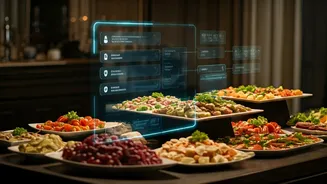
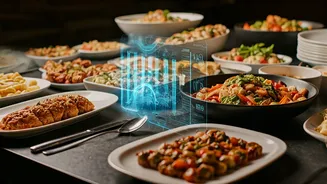
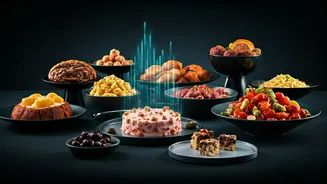
The initial phase of BuffetGPT's operation involves a meticulous visual scan of the buffet spread. This process goes beyond simply identifying dishes like biryani, curries, or desserts; it involves a sophisticated categorization of each item. Pankaj's system classifies food into two primary groups: 'high-value items' and 'filler foods.' High-value items are defined as those that are unique, special, or exclusive to wedding occasions, making them a priority. Conversely, 'filler foods' are those dishes commonly found in everyday meals or strategically placed to induce a sense of fullness quickly, thus discouraging guests from overindulging in more sought-after options. This intelligent segmentation is the foundational step for effective strategic allocation.
Strategic Allocation Strategy
Following the categorization, BuffetGPT moves into the crucial stage of strategic allocation, treating the guest's stomach as a finite resource akin to a limited budget. An example shared from a wedding in Ahmedabad showcased how 13 dishes were analyzed, with the system recommending a specific distribution of capacity. Approximately 50% of the stomach's real estate is earmarked for main dishes and curries, recognizing their centrality to the meal. Breads and sides, often supplementary, are allocated a smaller portion of about 15%. In a notable decision reflecting the special nature of wedding sweets, a generous 35% of capacity is reserved for desserts, acknowledging their unique status and desirability at celebratory events.
Execution Plan & Timing
The system then formulates an actionable, step-by-step execution strategy for the guest's dining journey. For instance, Hyderabadi biryani is designated as a 'first target' because rich, meat-heavy dishes like it are prone to running out quickly and take considerable time to be restocked. Simultaneously, BuffetGPT advises guests to bypass items such as dal makhani and mixed vegetables. The reasoning is that these dishes are widely available in other settings and are frequently positioned early in the buffet line, primarily serving to satiate guests rapidly. This tactical planning ensures that the most desirable and potentially fleeting items are secured before they disappear.
Fullness Science & Dessert Tactics
BuffetGPT also incorporates an understanding of the physical science of digestion and fullness. It notes that certain items, like kadhi pakoda, tend to expand significantly within the stomach, while raita, due to its high water content, can create a misleading sensation of satiety. Intriguingly, the system suggests consuming buttermilk prior to dessert, positing that it can help create additional space for sweets. When it comes to dessert selection, the AI evaluates 'opportunity cost.' It recommends prioritizing richer, denser options like rasmalai over kheer, which is often prepared at home. Ghewar also receives special consideration, with the AI observing that desserts placed farther from the main serving area typically have shorter queues, and the accompanying walk can aid digestion.
Categorizing Dishes: Must Try
In its final step, BuffetGPT consolidates its analysis by sorting all available dishes into three clear-cut categories: 'must try,' 'small portions,' and 'skip.' Based on its comprehensive evaluation, dishes like biryani, ghewar, and rasmalai are confidently placed on the 'must-try' list, representing the pinnacle of the wedding buffet experience. Conversely, staple items such as steamed rice and dal makhani are firmly relegated to the 'avoid' category, signaling that they are less critical for a memorable culinary journey at the event. This simplified classification empowers guests to make informed decisions with ease.