





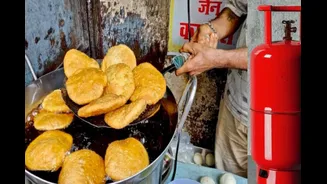
Paharganj's Culinary Gem Shuts
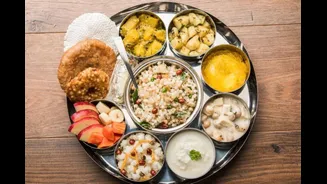
A long-standing bastion of Delhi's vibrant food culture, Sitaram Diwan Chand, a celebrated eatery in Paharganj renowned for its delectable chhole bhature,
has ceased operations. The proprietors of this once-bustling establishment have attributed their difficult decision to the ongoing and pervasive LPG crisis. For years, this eatery was a beloved destination for both local residents and international visitors, consistently serving its signature dish that became a cherished culinary memory for generations. Its closure marks a significant void in the gastronomic landscape of the capital, eliciting widespread disappointment among its loyal clientele who have taken to social media to express their dismay. This unfortunate event underscores the broader economic pressures and supply chain disruptions that are increasingly impacting small and medium-sized businesses across the city, pushing operational costs to unsustainable levels and forcing difficult choices.
Navigating the Gas Shortage
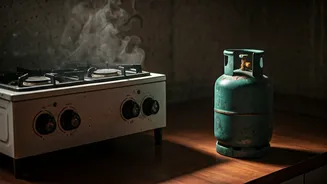
The primary driver behind Sitaram Diwan Chand's closure stems from the extreme difficulty in sourcing LPG cylinders and the exorbitant prices they now command. Catering to the substantial daily demand for cooking the vast quantities of chhole and bhature required to satisfy their customer base became an insurmountable financial hurdle. The shop's employees, like cashier Aman and Rajesh, expressed that operations had not halted even during significant economic events such as demonetization in 2016 or the brief closures during the initial phases of the Covid-19 pandemic, highlighting the unprecedented nature of the current crisis. Rajesh further indicated that the eatery could potentially reopen if the owner were to consider procuring gas from the black market or leverage influential connections, but this was vehemently against the owner's ethical principles. The sheer volume of daily gas consumption, estimated at five to six cylinders, made black market procurement an unviable and prohibitively expensive option.
Competitors Adapt and Survive
Despite the challenges faced by Sitaram Diwan Chand, several other prominent chhole bhature establishments in Delhi are finding innovative ways to continue serving their patrons. Sharmaji ke Chhole Bhature in Lajpat Nagar, for instance, has resorted to purchasing LPG cylinders from the black market to maintain operations. Subhash Sharma, the owner, explained this was a necessary measure to keep the business afloat and ensure staff salaries and household expenses were met. However, this strategy has come at a significant cost, forcing him to increase the price of his popular chhole bhature plates from Rs 100 to Rs 120, a steep rise from the previous Rs 1,000 cost for what now runs into Rs 3,000 to Rs 4,000. Meanwhile, Jain Chawal Wale in Connaught Place continues its operations with fewer LPG concerns, partly due to its extensive menu which includes rice-based dishes like rajma and dal, which are less fuel-intensive than deep-frying. Manager Raj Kishore Pandey noted that the restaurant's switch to piped natural gas (PNG) post-pandemic has provided a stable and more cost-effective solution compared to relying on cylinders.
Diverse Strategies for Sustenance
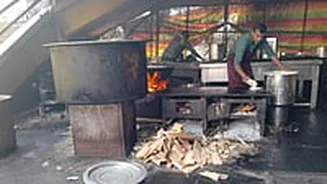
Further highlighting the adaptive strategies within Delhi's culinary scene, Bhogal's, another popular chhole bhature spot located behind Scindia House in Connaught Place, is also managing to operate without significant LPG supply issues. Owner Amit Kumar shared that he has not encountered any major problems with LPG availability thus far. His team efficiently fries bhature and pakoras using gas cylinders, while the chhole and matar are kept warm on traditional angithis, or clay stoves, also utilizing LPG for low-flame maintenance. Kumar mentioned that initial preparation work, such as cooking the chhole and matar, is often done in the mornings over wood and coal fires, with LPG primarily reserved for the crucial frying process. This hybrid approach, combining traditional methods with LPG for specific cooking tasks, allows Bhogal's to maintain its output and serve its regular customers effectively, demonstrating a blend of resourcefulness and culinary tradition in overcoming fuel supply challenges.