






Shocking Andheri Visit
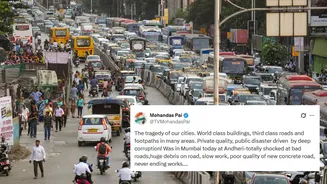
Mohandas Pai, a prominent figure formerly at Infosys, recently shared his deep dismay following a visit to Mumbai's Andheri area. He expressed profound
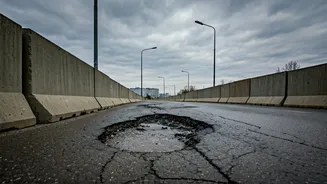
shock at the condition of the roads, citing widespread damage, visible construction debris, and what he perceived as substandard concrete work. Pai articulated a common observation in many Indian cities: a striking juxtaposition of advanced, world-class architectural marvels existing alongside severely neglected public spaces, including roads and footpaths. This stark contrast, he argued, represents a significant governance issue within urban centers, hinting at deeper systemic problems.
Widespread Infrastructure Neglect
Pai's critique points to a pervasive issue across Indian urban landscapes, where significant investments in private development, such as modern buildings, do not seem to be mirrored in the upkeep and enhancement of essential public infrastructure. The roads and sidewalks in areas like Andheri appear to be in a state of disrepair, hindering daily life and posing challenges for residents and commuters. This uneven development trend raises questions about urban planning priorities and the equitable distribution of resources aimed at improving the quality of life for all citizens. The situation is described as a 'public disaster,' with suggestions of underlying corruption impacting civic administration and project execution.
Ongoing Development vs. Inconvenience
Interestingly, Pai's observations come at a time when Mumbai is actively undergoing numerous large-scale infrastructure upgrades. Projects like the expansion of the Metro rail network, widespread road concretization initiatives, and improvements to drainage systems are in full swing. While these ambitious projects are intended to enhance connectivity and urban resilience in the long run, they are currently contributing to considerable traffic congestion, extended construction periods, and daily inconveniences for those navigating the affected areas. This ongoing disruption, juxtaposed with the visibly poor state of existing infrastructure, fuels the debate Pai has brought to the forefront.
Echoes from Bengaluru
Mohandas Pai's concerns are not isolated; they echo sentiments previously expressed about other major Indian cities, notably Bengaluru. In October of the previous year, Kiran Mazumdar-Shaw, the Chairperson of Biocon, publicly highlighted similar issues concerning the poor condition of roads and inadequate garbage management in Bengaluru. This concern was initially brought to light by an international business visitor who, upon visiting Biocon Park, questioned the state of civic amenities and drew unfavorable comparisons with China, expressing surprise given India's economic progress. This incident spurred responses from Karnataka's ministers, who defended the government's development efforts and ongoing infrastructure projects.
The Urban Planning Challenge
These incidents, both in Mumbai and Bengaluru, underscore a larger, persistent challenge in urban planning across India. The rapid pace of private sector growth and development in major cities often seems to outstrip the planning, execution, and maintenance of crucial public infrastructure. As India's urban centers continue to expand and modernize, pressing issues concerning road quality, waste management systems, and the efficient completion of civic projects remain at the forefront of public discussion. The insights from respected industry leaders like Pai and Mazumdar-Shaw are increasingly drawing national attention to the critical need for improved planning, greater accountability, and more timely execution in all urban infrastructure development endeavors.