







The Hidden Posture Problem
Many individuals struggle with a persistent lower abdominal bulge that seems unaffected by rigorous exercise routines or a healthy eating plan. It's commonly
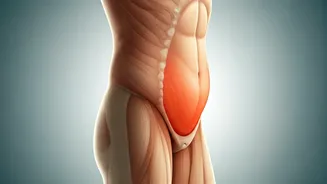
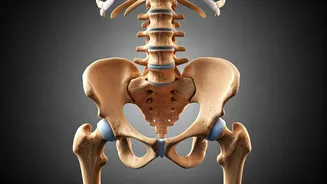
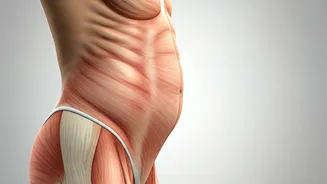
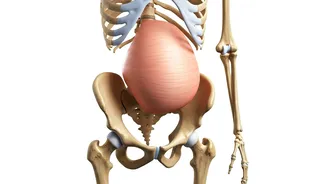
attributed to accumulated body fat or a sluggish metabolism, leading to a cycle of increased abdominal exercises, restrictive dieting, and subsequent disappointment. However, a different perspective suggests that the issue might not be about excess weight at all. According to fitness expert Julie Capozziello, a common postural imbalance known as anterior pelvic tilt could be the primary cause. This condition alters the natural alignment of the pelvis, spine, and core muscles, which can visually exaggerate the prominence of the abdomen and, in some cases, contribute to discomfort in the lower back. The modern sedentary lifestyle, characterized by extended periods of sitting, plays a significant role in developing this imbalance, as it leads to tight hip flexors that pull the pelvis forward, creating an exaggerated arch in the back and making the belly seem to stick out more.
Identifying Anterior Pelvic Tilt
Distinguishing between a lower belly pooch caused by anterior pelvic tilt and one due to body fat involves observing specific characteristics of your abdomen and posture. Dr. Vajalla Shravani, a fitness and pilates expert, notes that with anterior pelvic tilt, the lower stomach often projects forward even in individuals with a lean physique, and the waistline can appear unnaturally arched rather than in a relaxed state. A simple self-assessment can be very revealing: stand sideways in front of a mirror and pay close attention to the curve of your lower back. If you notice an exaggerated arch and your pelvis seems to be tilting forward, it's a strong indication of anterior pelvic tilt. Another tell-tale sign is a feeling of tightness, particularly in the front of the hips and the lower back, accompanied by a challenge in effectively engaging your abdominal muscles. If you find that consciously tucking your pelvis under and tightening your abs causes your belly to flatten somewhat, it strongly suggests that postural alignment, rather than body fat, is the main contributor to the protruding appearance.
Corrective Exercises & Daily Habits
To counteract the effects of anterior pelvic tilt and encourage a more neutral pelvic position, a series of targeted exercises can be beneficial. These movements, which require no special gym equipment, focus on retraining the core muscles, enhancing hip joint mobility, and reducing the excessive curvature of the spine. Examples of these corrective exercises include quadruped pelvic tilts, deadbug toe taps, bear hold toe taps, hip CARs (controlled articular rotations), and the happy baby stretch. The key to lasting improvement, however, extends beyond structured workouts. Cultivating mindful awareness of your posture throughout daily activities – such as sitting, standing, and walking – is crucial. Making small, conscious adjustments, like habitually tucking your pelvis slightly, drawing your rib cage down, and rolling your shoulders back and down, can collectively lead to significant changes over time. These consistent efforts help to retrain your body's default posture and mitigate the negative effects of prolonged sitting.
The Sitting Sedentary Trap
The impact of prolonged sitting on our musculoskeletal system is profound, particularly affecting hip flexors, glutes, and overall spinal alignment. When we sit for extended durations, our hip flexor muscles remain in a shortened, flexed state. Over time, Dr. Shravani explains, these muscles adapt by becoming tighter, while the gluteal muscles, which are responsible for extending the hips, become less active and weaker. This muscular imbalance creates a pulling effect that tilts the pelvis forward, consequently increasing the natural arch in the lower back. Furthermore, extended periods of sitting restrict the natural movement of the spine, leading to a weakening of the deep core stabilizing muscles that are essential for maintaining good posture. These detrimental changes can manifest surprisingly quickly; some individuals might notice increased stiffness and noticeable shifts in their posture within just a few weeks of prolonged sitting, especially if they lead a largely inactive lifestyle outside of work. Over months, this can become so ingrained that the body perceives this altered posture as its normal state.