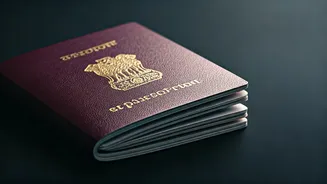

E-Passport Overview
E-passports, a modern iteration of the traditional travel document, are quickly becoming the norm for Indian citizens. These passports incorporate a microchip
embedded within, which holds the same information found on the data page, such as the holder's name, date of birth, and other essential details. The chip is a significant upgrade, as it also includes a digital photograph, adding an extra layer of security. This technology allows for quicker and more secure processing at border control points. The increased use of e-passports reflects a broader effort to modernize travel documentation and make international journeys safer and more efficient. The transition to e-passports is also a global trend, with many countries adopting similar technologies to enhance border security and streamline the immigration process.
Enhanced Security Features
The main advantage of an e-passport lies in its enhanced security features. The embedded microchip is difficult to counterfeit, making it significantly harder for criminals to forge. This is achieved through the use of sophisticated encryption techniques. The digital photograph stored within the chip also reduces the likelihood of identity theft, as it provides an immediate verification tool for border officials. Furthermore, the data on the chip can be quickly and reliably verified against databases. This means border control agents can swiftly confirm the passport's authenticity. This combination of advanced technology greatly reduces the risk of fraud and increases the integrity of travel documents, providing better security for both the passport holder and the countries they visit.
Streamlined Immigration Process
Another key benefit of e-passports is the streamlining of the immigration process. The use of electronic gates (e-gates) and automated border control systems allows for faster processing times at airports and other points of entry. When an e-passport is scanned, the chip is read, and the passport holder's information is quickly verified against databases. This automated process minimizes the need for manual checks by immigration officers. For travelers, this means shorter wait times and a more efficient experience. The adoption of e-passports aligns with the global trend towards automation in border control, which is aimed at improving both security and the convenience of international travel. This enhanced efficiency is particularly valuable during peak travel seasons, when airports can become congested.
Impact on Travel
The shift towards e-passports is having a noticeable impact on the overall travel experience for Indian passport holders. The enhanced security features make it safer to travel, and the quicker processing times at immigration points make it more convenient. As e-passports become more common, travelers can expect to see more e-gates and automated systems at airports worldwide. This means a smoother and more efficient journey from departure to arrival. Also, the increased use of e-passports reflects a broader trend of technological advancements in travel, as countries continue to invest in systems to make international travel easier. These improvements can also enhance safety by making it more difficult for individuals to use fraudulent documents.
Future Developments
Looking ahead, the evolution of e-passports is likely to continue, with further advancements in security and functionality. The adoption of biometric data, such as fingerprints or iris scans, is already being explored by many countries to create even more secure travel documents. These innovations are intended to enhance both the protection of personal information and to ensure that only authorized individuals can cross international borders. Also, as technology evolves, the integration of e-passports with other travel-related technologies, such as mobile apps and digital identity systems, is probable. This could provide travelers with a more seamless and integrated experience. The continuous evolution of e-passports demonstrates the ongoing commitment to making international travel safer, more secure, and more convenient.