




Navratri's Nine Hues
Chaitra Navratri, a significant Hindu festival, marks the commencement of the new year according to the lunisolar calendar, typically falling in March
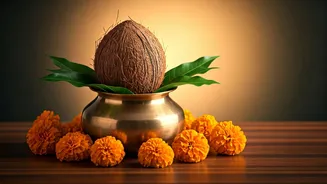
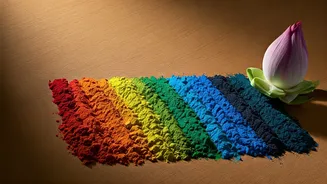
or April. In 2026, this sacred observance begins on Thursday, March 19th, and concludes on Friday, March 27th, with the final day also celebrated as Ram Navami, the birth anniversary of Lord Rama. Each of the nine days is devoted to a specific manifestation of Goddess Shakti, and is associated with a distinct color. This tradition imbues each day with a unique energy and meaning, believed to attract blessings of prosperity, abundance, and good fortune when these colors are embraced. The initial auspicious timing for the Ghatasthapana, the ritualistic installation of the pot, is noted to be between 6:52 AM and 7:43 AM on the inaugural day, March 19, 2026. Ram Navami, observed on the ninth day, solidifies the festival's connection to divine grace and righteous beginnings.
Day 1: Yellow's Purity
The dawn of Chaitra Navratri in 2026 on March 19th, a Thursday, ushers in the worship of Goddess Shailputri, and is dedicated to the color yellow. This vibrant hue symbolizes purity, tranquility, and a serene beginning to the nine-day spiritual odyssey. Yellow is often associated with brightness and enlightenment, reflecting the peaceful and unblemished nature of Goddess Shailputri, the daughter of the mountains. Embracing yellow on this first day is believed to set a positive and harmonious tone for the entire festival, encouraging inner peace and a clear mind as devotees embark on their spiritual practices and prayers to invoke divine blessings.
Day 2: Green's Passion
As Navratri progresses into its second day, March 20th, a Friday, the focus shifts to Goddess Brahmacharini, and the color green takes center stage. This verdant shade represents passion, love, and inherent strength. Green is deeply connected to nature's vitality and growth, signifying the nurturing and powerful aspects of the divine feminine. It encourages a sense of vitality, renewal, and the passionate pursuit of spiritual goals. Worshipping Goddess Brahmacharini with the color green is thought to foster strong emotional connections, ignite enthusiasm for one's endeavors, and invoke a sense of enduring power and love throughout the celebratory period.
Day 3: Grey's Grace
On the third day of Chaitra Navratri, March 21st, a Saturday, devotees honor Goddess Chandraghanta. The color associated with this day is grey, symbolizing calmness and divine grace. Grey offers a sense of stability and equilibrium, representing a serene yet powerful presence. It's a hue that suggests a blend of earthly grounding and celestial tranquility, reflecting the Goddess's ability to bring peace and protection. Embracing grey on this day invites a feeling of composed strength and the benevolent protection that Goddess Chandraghanta bestows upon her followers, fostering a sense of serene mindfulness.
Day 4: Orange's Joy
March 22nd, a Sunday, marks the fourth day of Navratri, dedicated to Goddess Kushmanda, and illuminated by the vibrant color orange. This energetic hue signifies joy, knowledge, and boundless positivity. Orange is often linked to enthusiasm, creativity, and the warmth of the sun, reflecting the Goddess's power to create the universe and dispel darkness. Adorning oneself in orange or incorporating it into rituals on this day is believed to foster an optimistic outlook, enhance intellectual pursuits, and infuse one's life with happiness and vibrant energy, celebrating the light of wisdom.
Day 5: White's Harmony
The fifth day of Chaitra Navratri, falling on Monday, March 23rd, is dedicated to Goddess Skandamata, and represented by the color white. White embodies growth, fertility, and a harmonious connection with nature. It signifies purity, peace, and new beginnings, reflecting the nurturing and maternal essence of the Goddess. Embracing white on this day is thought to promote abundance, foster healthy relationships, and encourage a deep sense of balance and unity with the natural world, celebrating life's continuous cycle.
Day 6: Red's Balance
On Tuesday, March 24th, the sixth day of Navratri is devoted to Goddess Katyayani, with the powerful color red taking prominence. Red symbolizes balance, stability, and maturity, embodying strength and passion. It's a color that signifies courage and the ability to overcome challenges. By embracing red, devotees aim to invoke the Goddess's protective energy, seeking to establish equilibrium in their lives and foster personal growth towards a more stable and empowered state, reflecting a vibrant and assertive spirit.
Day 7: Royal Blue's Energy
Wednesday, March 25th, marks the seventh day of Navratri, dedicated to Goddess Kalaratri, and is characterized by the rich hue of royal blue. This deep, commanding color signifies energy, creativity, and immense strength. Royal blue is often associated with intuition and spiritual power, reflecting the fierce yet protective nature of Kalaratri. Engaging with this color is believed to amplify one's inner vitality, inspire creative endeavors, and provide a shield of divine energy, fostering a profound sense of resilience and dynamic power.
Day 8: Pink's Renewal
The eighth day of Chaitra Navratri, Thursday, March 26th, honors Goddess Mahagauri, and is celebrated with the gentle yet vibrant color pink. Pink symbolizes individuality, beauty, and renewal. It is a color of compassion, love, and self-acceptance, reflecting the serene and purifying aspects of Mahagauri. Adopting pink on this auspicious day is thought to promote self-love, encourage personal expression, and invite a sense of fresh beginnings and blossoming beauty into one's life, celebrating inner radiance and gentle strength.
Day 9: Purple's Optimism
Concluding the sacred nine days on Friday, March 27th, is the ninth day, dedicated to Goddess Siddhidatri, and vibrant with the color purple. This regal hue signifies optimism and divine grace, representing enlightenment and spiritual fulfillment. Purple is associated with wisdom, transformation, and the highest spiritual attainments, embodying the Goddess's power to grant supernatural abilities. Embracing purple on this final day is believed to foster a hopeful outlook, invite profound blessings, and signify the completion of the spiritual journey with grace and divine favor, heralding a new cycle with optimism.