






Heat-Generating Veggies Identified
During intense heatwaves, the body works overtime to regulate its temperature. Certain vegetables, often considered healthy staples, can place an additional
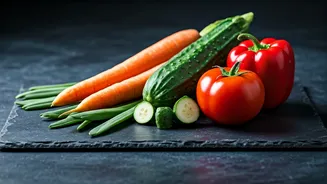
burden on your digestive system, potentially increasing internal heat. Root vegetables like carrots, radishes, and turnips are high in complex carbohydrates and fiber, which require more metabolic energy to break down, thus generating heat. Brinjal (eggplant) is noted for its natural thermogenic properties, and consuming it in hot weather might lead to bloating, especially when your body is already overheated. Mustard greens, known for their pungent nature, can exacerbate heat rashes and inflammation. Even seemingly beneficial items like raw drumstick pods, due to their fibrous content, can stimulate digestion and slightly raise core body temperature. While onions are generally cooling in moderation, large quantities can become gas-forming and stressful for the gut. Cluster beans are also highlighted due to their high oligosaccharide content, which can lead to fermentation and digestive discomfort, potentially worsening dehydration. The core issue with these vegetables is their tendency to increase metabolic heat, hinder hydration, or strain a digestive system already compromised by heat.
Cooking Methods Matter Most
The way vegetables are prepared can significantly impact their effect on body heat, even if the vegetable itself is generally considered neutral. Deep-frying any vegetable, such as in aloo tikki or bhindi fry, dramatically increases its fat content. This slows down digestion, making the food harder to process and consequently raising internal body heat. Dry roasting, by removing moisture, concentrates heat-producing compounds and eliminates the cooling effect that water-based cooking methods provide. Heavily spiced preparations, particularly those using dried red chilies, cloves, black pepper, and garam masala, act as potent thermogenic agents. These spices boost blood circulation and increase sweating, which can accelerate dehydration. Sautéing in excessive oil can coat the intestinal lining, impeding nutrient absorption and adding to digestive effort. In contrast, steaming, boiling, or light stir-frying are recommended. These methods preserve the vegetable's natural water content, reduce the digestive load, and result in meals that are genuinely lighter and more beneficial for the body during hot weather.
Strategic Seasonal Swaps
To navigate heatwaves effectively, a strategic shift in vegetable choices is advised. Prioritize water-rich options over dense root vegetables. Vegetables like bottle gourd (lauki), ridge gourd (turai), ash gourd, cucumber, and even raw banana are excellent choices. They are naturally cooling, easily digestible, and rich in electrolytes such as potassium and magnesium, which help replenish those lost through perspiration. For essential nutrients like iron and folate, opt for lightly steamed spinach or colocasia leaves instead of mustard greens. If you're considering cluster beans for their protein, a better alternative would be green moong sprouts, offering similar protein benefits with significantly less potential for fermentation and gut distress. The key is to embrace vegetables with a high water content, often exceeding 90%, as these are inherently suited for summer consumption. This approach ensures you don't sacrifice nutritional intake but rather adapt preparation methods to suit the season.
Smart Meal Timing & Prep
Beyond vegetable selection, the timing and size of meals play a vital role in managing body heat. It’s generally more beneficial to consume smaller, more frequent meals rather than large, heavy ones. Large meals demand more digestive effort, which in turn generates more metabolic heat. Furthermore, consider retaining the water used for boiling vegetables. This water is often rich in water-soluble B vitamins and essential minerals, making it a valuable addition to your diet. Adding a squeeze of lemon to your meals can provide a boost of vitamin C, which aids in iron absorption, even when consuming lighter preparations. The overarching principle is that if a vegetable's natural composition is over 90% water, it's an ideal candidate for your summer diet. This mindful approach to eating ensures that nutrition is maintained while adapting culinary practices to the demands of extreme heat.