



Urgent Groundwater Health Alert
The National Green Tribunal (NGT) has issued a critical directive to all state governments across India, emphasizing the urgent need to address and mitigate
the pervasive contamination of groundwater by arsenic and fluoride. This decisive action stems from the NGT's examination of news reports highlighting the severe health implications of such pollution. In response, the NGT has impleaded all 28 states, mandating them to furnish comprehensive data detailing the extent of arsenic and fluoride contamination at district, village, and block levels. Furthermore, the Central Ground Water Authority (CGWA) has been tasked with the ongoing responsibility of meticulously monitoring the mitigation strategies implemented by each state and ensuring that effective remedial actions are rigorously pursued and completed.
Health Risks Explained
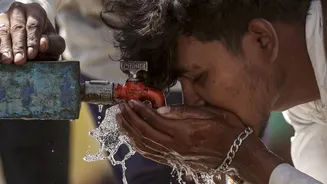
Ingesting arsenic through drinking water poses a significant public health crisis, leading to a condition known as arsenicosis. The symptoms of arsenicosis can range from visible skin lesions and abnormal pigmentation to, in cases of prolonged exposure, the development of cancer. Concurrently, elevated levels of fluoride in drinking water have detrimental effects on bone and dental health, weakening structures and increasing susceptibility to various ailments. These dual threats necessitate immediate and robust interventions to safeguard the well-being of populations reliant on contaminated groundwater sources.
Geographical Hotspots Identified
The geographical distribution of these contaminants reveals distinct patterns. Court filings indicate a higher prevalence of arsenic contamination in the eastern and south-eastern regions of India. In contrast, central, eastern, and certain southern and western states are experiencing a greater degree of fluoride contamination. This regional disparity underscores the need for geographically tailored mitigation strategies. For instance, Bihar exhibits alarming figures, with arsenic present in 4,709 wards and fluoride in 3,789 wards. West Bengal is affected by arsenic in eight and fluoride in seven districts, while Uttar Pradesh faces both contaminants impacting 16 districts each. Karnataka reports arsenic in 20 villages and fluoride across 2,083 villages, painting a stark picture of widespread contamination.
Remedial Technologies Deployed
In response to the NGT's mandate and the identified contamination levels, the CGWA has proposed and states are beginning to implement several remedial measures. These include the installation of water filtration plants, the application of ion-exchange processes, and the deployment of reverse osmosis (RO) systems. Bihar has made significant progress, reporting the installation of arsenic removal plants in 4,684 wards and fluoride removal plants in 3,780 of the affected wards. West Bengal is actively deploying over 1,500 community water purification plants and is also advancing piped water supply schemes. Uttar Pradesh, meanwhile, highlights its progress under the Jal Jeevan Mission, stating that more than 80 percent of households in the state are now covered, implicitly addressing water quality concerns.
Root Causes of Contamination
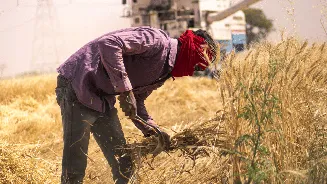
The origins of this pervasive groundwater contamination are multifaceted, stemming from both anthropogenic activities and natural geological processes. Industrial pollution is a significant contributor, releasing harmful chemicals into the environment. The widespread use of fertilizers and pesticides in agriculture also plays a crucial role, with these substances leaching into the soil and eventually reaching groundwater reserves. Natural factors, such as the weathering of rocks and soil erosion, contribute to the release of naturally occurring minerals like arsenic and fluoride into water bodies. Specifically, in states like Bihar, West Bengal, Assam, and Uttar Pradesh, the presence of arsenic is predominantly linked to the alluvial formations characteristic of the Ganga and Brahmaputra river basins, areas rich in these naturally occurring minerals.