




Boycott's Complexities Unveiled
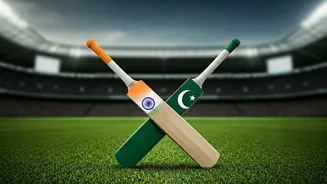
The PCB's contemplation of a boycott against India in the T20 World Cup immediately stirs up a range of intricate challenges. First off, a boycott could
result in Pakistan being barred from the tournament. This outcome could cause widespread financial losses and damage the team's standing in international cricket. It would also lead to huge disappointment for fans across the globe, who look forward to the India-Pakistan clash due to its intense rivalry and exciting gameplay. Beyond that, the boycott could bring about a situation where Pakistan’s credibility within the International Cricket Council (ICC) and other international bodies gets questioned. The cricketing landscape is a complex web of strategic alliances, and diplomatic maneuvering, and Pakistan's decision could set off a series of diplomatic ripples.
Possible Tournament Outcomes
Should Pakistan proceed with a boycott, the T20 World Cup could experience several outcomes. A default win for India would be the most immediate effect, granting them crucial points in the tournament. However, this is just the tip of the iceberg, as the ICC might need to step in to settle the issue, possibly imposing penalties on Pakistan. The tournament's competitive balance would also get affected, as the absence of a high-profile match would decrease the excitement for fans and the overall buzz. Furthermore, the situation presents a test for other participating nations to take a stance, which may affect the future of cricketing relationships. Ultimately, the consequences of a boycott by Pakistan would extend far beyond the cricket field, impacting the sport’s global standing and its political dynamics.
Impact on Pakistan's Team
The implications for Pakistan's cricket team would be significant if the boycott goes ahead. The team might face sanctions from the ICC. The sanctions could involve points deductions or even a ban from other international events, affecting the players' careers and overall team rankings. In addition to any penalties, the team's morale and confidence would take a hit. Players would need to navigate a negative narrative, which could impair their performance and tarnish their public image. The team’s sponsorships and revenue streams could be jeopardized, which would affect the financial backing for cricket at the domestic level as well. The internal team dynamics might also change, as players respond to these challenges. This situation demonstrates the crucial role of sports diplomacy and the far-reaching consequences of political and sporting decisions.
Strategic Ramifications Examined
The PCB's consideration of a boycott against India shows some strategic considerations. The decision could be a means to make a political statement, showcasing Pakistan’s disapproval of certain actions or policies by India, thus leveraging the global sports platform to draw attention to their concerns. This move could also aim at strengthening Pakistan’s position in negotiations with the ICC. The board may want to assert its independence and protect the interests of Pakistani cricket. Moreover, the PCB might try to get the support of other cricketing nations, forming strategic alliances to strengthen their negotiation power and address larger issues in the sport. These strategic ramifications underscore the intricate mix of sports, politics, and diplomacy, emphasizing the high-stakes world of international cricket.