



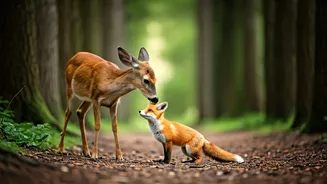
Penguins' Cross-Species Affection
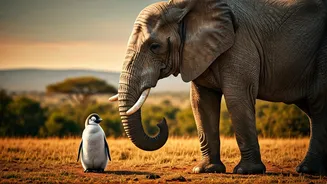
In controlled environments like zoos, penguins occasionally exhibit deep bonds with individuals of different penguin species. These relationships are characterized
by observable courtship rituals, shared nesting activities, and even attempts to care for non-biological eggs. More unusually, some penguins have been known to form strong attachments to human zookeepers, following them closely and displaying behaviors akin to romantic interest. These instances highlight a complex interplay of social bonding and potential imprinting, pushing the boundaries of typical avian social structures beyond species lines.
Swans' Unconventional Pairings
While renowned for their lifelong monogamy, swans have been documented forming bonds with other avian species, such as ducks or geese, when a suitable mate is absent. In some extraordinary cases, their attachments have extended to inanimate objects, like boats, showcasing a profound need for companionship. These cross-species relationships often involve behaviors mirroring those seen in typical swan courtship, including mutual grooming, protective guarding, and affectionate displays, indicating a strong emotional connection that transcends species differences.
Dolphins' Compassionate Bonds
Female dolphins have been observed nurturing and bonding with calves of different species, a behavior sometimes seen in captive settings with other animals. While these actions might appear as romantic attachments, they are more likely driven by strong maternal instincts, a deep sense of social curiosity, or perhaps a misdirection of their nurturing impulses rather than a true desire for a mate. These instances reveal the complex emotional and social lives of dolphins, demonstrating their capacity for care beyond their own kind.
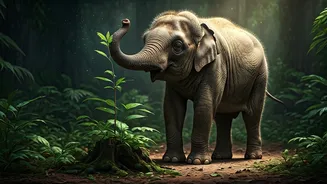
Elephants' Hormonal Drives
During periods of high reproductive activity, known as musth, young male elephants have been observed exhibiting sexual or affiliative behaviors towards other species, including rhinos and even humans. These unusual social interactions are primarily attributed to significant hormonal surges experienced during this phase, coupled with a potential lack of social experience in navigating these intense drives. Such instances underscore the powerful influence of biological and hormonal factors on animal behavior, leading to unexpected interspecies connections.
Dogs' Devoted Friendships
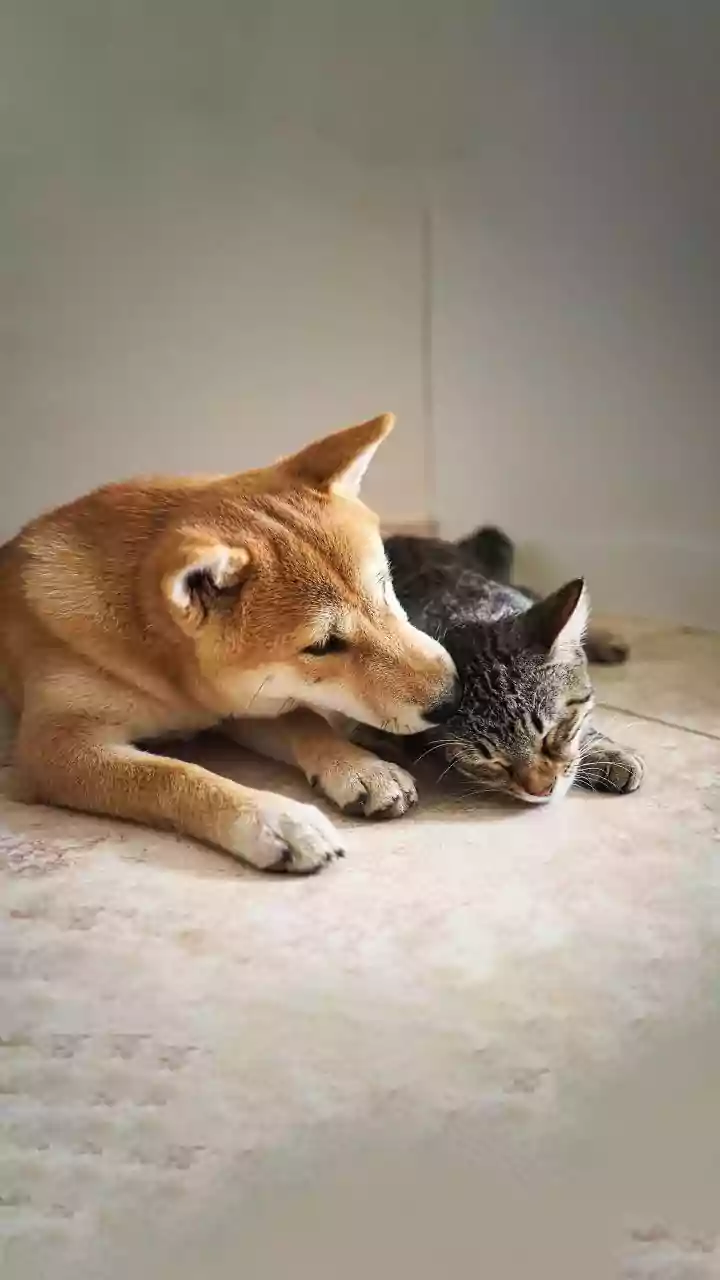
Domestic dogs frequently develop robust attachments with animals from entirely different species, including cats, goats, and horses. These interspecies friendships are characterized by behaviors such as mutual grooming, protective vigilance over one another, constant companionship, and playful interactions. These actions often mirror the instincts of mate-guarding or courtship found in their wild ancestry, illustrating dogs' remarkable capacity for forming deep social bonds and demonstrating loyalty across species barriers.