






Genes and Lifespan
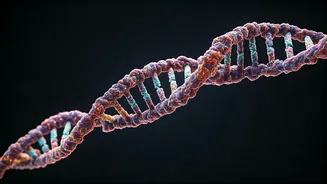
The question of how long we live has always intrigued people. While genetics undoubtedly play a significant role, it's not the only factor. Our genes act like
blueprints, and how they express themselves is influenced by the world around us. This concept, known as epigenetics, essentially means that our lifestyle choices can turn genes 'on' or 'off.' These epigenetic changes can significantly influence our health and longevity. For instance, genes associated with increased risk of heart disease might be activated by a poor diet, while regular exercise could potentially 'silence' them. This perspective encourages a proactive approach, suggesting we aren't simply 'stuck' with our genes, but rather, we can influence their expression through our lifestyle choices. In the Indian context, where traditional diets and cultural practices vary, there's a unique opportunity to understand how these factors affect longevity and overall well-being. By integrating healthy habits, individuals can potentially mitigate some of the risks associated with unfavorable genetic predispositions.
Diet and Genes
What we eat has a profound impact on how our genes behave. A diet rich in processed foods, unhealthy fats, and sugars can trigger the expression of genes associated with inflammation, diabetes, and other chronic diseases. Conversely, a diet packed with fruits, vegetables, whole grains, and lean proteins provides the body with essential nutrients, antioxidants, and fiber that can promote healthy gene expression. In India, traditional diets often feature spices and ingredients known for their health benefits, such as turmeric and ginger, which have anti-inflammatory properties. These dietary patterns, combined with moderate portions and mindful eating practices, can contribute to a healthy lifespan. Furthermore, understanding the nutritional content of the food, and opting for traditional, home-cooked meals over processed options, can aid in preserving a good health. Therefore, incorporating mindful eating habits and a balanced diet can act as a natural way to potentially reduce the impact of potentially harmful genes. This approach helps to support the body's natural processes and helps in contributing to better overall health in the long run.
Exercise and Health
Regular physical activity is another critical element in the equation of genes and longevity. Exercise helps regulate various biological processes, including metabolism, hormone production, and inflammation, all of which directly affect gene expression. Engaging in regular physical activity can lead to a reduction in the activation of genes linked to chronic diseases, thereby potentially extending lifespan. Exercise also improves cardiovascular health, strengthens bones and muscles, and boosts mental well-being, contributing to a higher quality of life. For instance, a brisk walk, yoga, or even household chores done regularly can provide considerable health benefits. In India, where cultural practices often include outdoor activities and traditional forms of exercise like yoga, incorporating physical activity into daily routines can be relatively easy. Therefore, making exercise a regular practice can provide a lot of benefits and potentially modify gene expression, which improves overall health and helps increase longevity.
Stress Management's Role
Chronic stress can have a detrimental effect on gene expression, contributing to inflammation and increasing the risk of various health problems. Stress triggers the release of hormones like cortisol, which can influence how genes function. Practicing stress-reducing techniques such as meditation, deep breathing exercises, or simply spending time in nature can help mitigate the negative impacts of stress. In India, where cultural practices often emphasize mindfulness and community support, there's a unique opportunity to integrate stress-management practices into daily life. This can be as simple as taking short breaks, connecting with loved ones, or engaging in relaxing hobbies. Moreover, finding time for self-care, pursuing hobbies, and maintaining a work-life balance are also important in reducing stress. By adopting these strategies, individuals can potentially improve their mental well-being and influence gene expression positively, contributing to a longer, healthier life.
Cultural Context Matters
In India, cultural practices heavily influence lifestyle choices. From traditional diets to social interactions and daily routines, these factors can significantly impact longevity. For instance, the emphasis on family and community support can provide a buffer against the negative effects of stress and promote social well-being. Traditional Indian diets, often rich in spices and plant-based foods, can contribute to overall health and longevity. Cultural practices, such as yoga and meditation, also offer tools for stress management and mindfulness. Understanding and integrating these elements into a lifestyle can contribute to healthy aging. Moreover, understanding the cultural influence and incorporating them into daily life will aid in promoting a healthy and fulfilling lifespan. Therefore, adapting traditional practices with a modern lifestyle is helpful in promoting longevity and overall well-being. It is important to acknowledge cultural traditions and incorporate them with modern health strategies.
Making Informed Choices
Understanding the interaction between genetics and lifestyle empowers people to make informed decisions about their health. Genetic testing can provide insights into potential predispositions, while lifestyle modifications can help mitigate risks. Consulting with healthcare professionals, including doctors, nutritionists, and fitness trainers, is an essential step in developing a personalized plan for healthy living. Combining scientific knowledge with cultural understanding is essential to longevity. By combining a balanced diet, consistent exercise, stress management techniques, and incorporating culturally relevant practices, individuals can maximize their potential for a long and healthy life. Making informed lifestyle choices, guided by health professionals, is an empowering approach to take charge of one's well-being. Therefore, adopting a balanced approach by combining scientific knowledge with culturally relevant practices is important for promoting a healthy lifestyle and increasing longevity.