
Budget Overview & Goals
The Education Budget 2026 reflects a significant shift toward enhancing India's human capital and technological capabilities. A primary focus is on youth
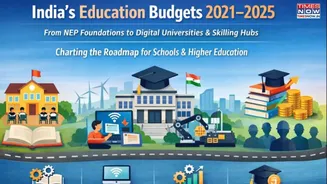
and skill development, preparing the workforce for an AI-led economy. The budget emphasizes establishing a stable regulatory environment to foster growth and innovation within the education sector. It also aims to strengthen educational infrastructure, focusing on improving regional access and creating a more inclusive system. The budget has allocated over 8 percent increase for FY26-27 to Rs 1.39 lakh crore. The commitment to moving beyond rote learning also underscores the broader goal of fostering critical thinking and adaptability among students, equipping them for future challenges and opportunities. This comprehensive approach signifies India's commitment to scalable education-tech capabilities.
Focus on Skilling & AI
A core objective of the budget is to prepare India's workforce for an AI-driven future. Initiatives include measures like the Education-to-Employment and Enterprise Standing Committee, aiming to bridge the employability gap. The emphasis is on continuous adaptability and equipping individuals with the skills necessary to thrive in an environment increasingly shaped by artificial intelligence. This strategy supports India's aspirations to become a global leader in innovation. The budget also highlights the importance of integrating technological progress with human capability, ensuring that advancements in technology are matched by the development of human skills and competencies. This dual approach is crucial for sustainable development and maximizing the benefits of technological progress. Furthermore, the commitment to technological progress and human capability aims to create a more resilient and versatile workforce.
Infrastructure & Innovation
The 2026 Education Budget prioritizes strengthening India's educational infrastructure. Plans include the establishment of new All India Institutes of Ayurveda and the launch of the Bharat Vistaar initiative. These measures aim to enhance regional education infrastructure, making education more accessible across the country. The budget's focus is on improving accessibility by addressing infrastructure deficits and promoting inclusive growth. Investments in higher education, along with a focus on STEM education, are designed to boost India’s innovation capacity. The emphasis on innovation and human capital signifies a strategic approach to fostering a dynamic and adaptable education system. These improvements and new programs lay the foundation for a more robust, equitable, and forward-looking education system, supporting long-term sustainable development.
Industry Reactions & Impact
Industry stakeholders have responded positively to the measures outlined in the 2026 Education Budget, recognizing its potential to strengthen India’s human capital and innovation capacity. The focus on establishing a stable regulatory environment has been welcomed, with industry representatives noting it enables companies to focus on growth. The budget’s commitment to education has been seen as a crucial step for the country’s progress in the coming years. Furthermore, the district hostel scheme, announced as part of the budget, is expected to improve accessibility. The budget’s emphasis on moving beyond rote learning and fostering critical thinking, along with its focus on technological advancements, indicates a comprehensive approach to preparing the workforce for future challenges and opportunities.