





A Shifting Landscape
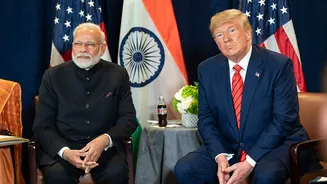
The political arena has seen a lot of changes, especially when it comes to the US and Venezuela. Under former President Trump, the US seemed to be interested
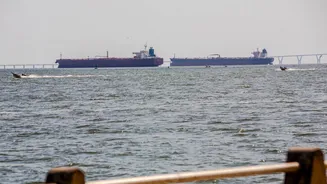
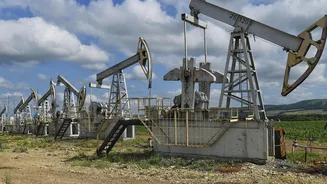
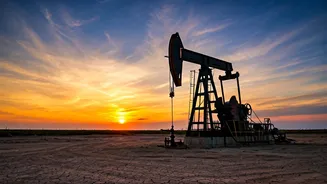
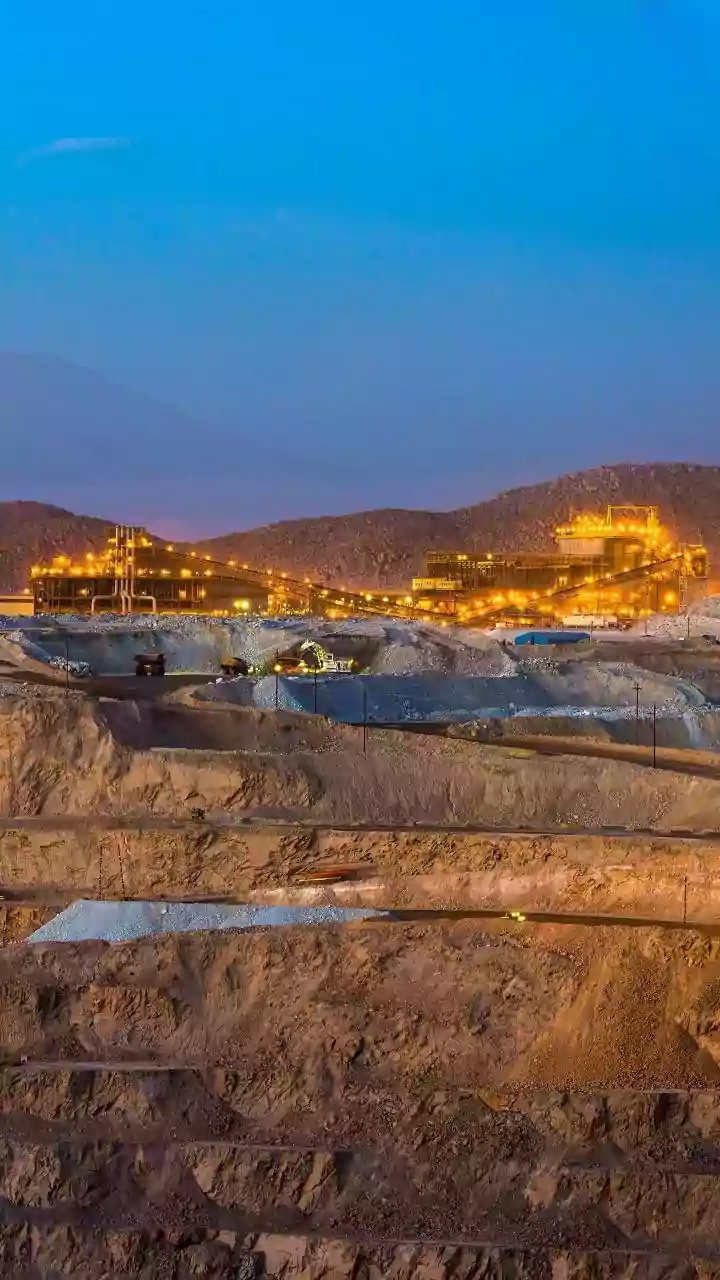
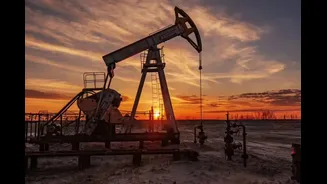
in Venezuela's oil resources. This interest was sparked by a number of reasons, including a possible desire to exert influence in the region and to affect the global oil market. The country has the largest proven oil reserves in the world, making it a significant player on the world stage. Any US involvement in Venezuelan oil has the potential to reshape not only the economics of the country but also its geopolitical ties, setting off a chain reaction across different sectors.
Economic Considerations
The main attraction of Venezuela's oil for the US was economics. With oil prices always fluctuating, the US saw Venezuelan oil as a way to enhance its energy security and potentially control prices. The idea was that gaining access to Venezuela's massive reserves could provide a stable and reliable source of oil. This would, in turn, reduce the US's dependence on oil from other nations, and allow them to take control of the market. However, there were some risks attached. Venezuela's oil industry had its own problems, including underinvestment, corruption, and political instability. The US would have needed to navigate these issues. Plus, dealing with Venezuela involved complex international relations, which could have led to unforeseen consequences in terms of trade and diplomacy.
Geopolitical Implications
Geopolitically, the US's interest in Venezuela's oil presented a tricky scenario. Venezuela is located in a region of strategic importance, which makes any US move have an impact far beyond oil production. The US's involvement could have potentially challenged the influence of other international powers, such as Russia and China, that also had an interest in the nation. Furthermore, this situation could have affected Venezuela's political landscape, either by bolstering or challenging the existing government. All such moves had a ripple effect, changing alliances and power dynamics. The US's strategic objectives and long-term consequences had to be very carefully evaluated to ensure that it was not harming its broader goals.
Potential Outcomes
If the US had moved forward to take part in Venezuela's oil industry, there would have been some likely scenarios. The boost in oil production could have helped stabilize global oil prices, which would benefit both consumers and businesses. This could also have helped Venezuela by providing an income boost that could be invested in infrastructure, education, and healthcare. On the other hand, there were dangers too. Venezuela was facing internal problems, so its oil output was not guaranteed. Corruption and mismanagement could have hindered any US involvement, and any efforts could have ended up damaging US's global reputation or inviting international disagreements. The final result would have depended on a complex web of economic, political, and social factors.
The Road Ahead
As the situation evolves, the US must carefully navigate any future considerations regarding Venezuelan oil. The government has to weigh the economic and strategic advantages with the risks. They have to carefully examine the internal dynamics of Venezuela, considering the country's political situation and the requirements of its people. This situation shows the delicate balance between energy interests and geopolitical goals. The US has to develop a strategy that supports its economic interests, contributes to global stability, and respects international norms. The US's decisions concerning Venezuelan oil will not only affect the oil markets but also shape the relationship between the two countries for the long haul.