






Green Norms Under Review
The CEA's initiative is geared towards revisiting the current environmental protocols associated with hydro pumped storage projects. The goal is to streamline
the approval processes and reduce the complexities that often delay project commencement. This approach is rooted in the government's broader vision of fostering a cleaner and more sustainable energy sector. Hydro pumped storage projects are a critical component of renewable energy infrastructure because they allow for the storage of surplus energy produced by sources like solar and wind power, making them available when demand is higher. The review aims to balance environmental protection with the efficient advancement of these projects, promoting a sustainable development strategy. This effort highlights the Indian government's commitment to supporting both economic growth and environmental stewardship.
Hydro Pumped Storage Explained
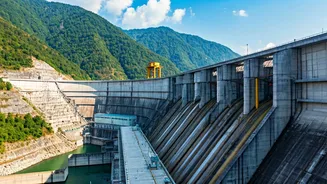
Hydro pumped storage projects work by using electricity to pump water from a lower reservoir to a higher one. During times of high energy demand, the water is released from the upper reservoir, flowing through turbines to generate electricity. This method effectively acts as a large-scale battery, storing energy for later use. This technology is crucial in integrating intermittent renewable sources such as solar and wind into the electricity grid, as it provides a readily available supply of power to balance fluctuations in generation. By facilitating the storage and retrieval of energy, hydro pumped storage plays a vital role in enhancing grid stability and reliability. Furthermore, such projects contribute to grid resilience by providing backup power during peak demand periods or disruptions in supply, reinforcing the country's energy security.
Benefits of Easing Rules
Easing environmental norms for hydro pumped storage projects could unlock several advantages for India. It could speed up the development of these projects, thereby increasing the nation's renewable energy capacity. Faster project implementation can boost economic activity by creating jobs and attracting investments in the energy sector. Moreover, by encouraging more of these projects, India can advance toward its climate goals, reducing reliance on fossil fuels and lowering carbon emissions. The streamlined regulations might also lead to cost reductions in project development, making renewable energy more competitive and accessible. Ultimately, this strategic shift reflects a commitment to sustainable energy development, offering advantages to the economy, environmental protection, and energy security. The focus is to strike a balance between facilitating infrastructure growth and adhering to environmental standards.
Addressing Environmental Concerns
While the aim is to streamline regulations, it's crucial to address and mitigate any environmental concerns. This might involve setting specific guidelines to protect biodiversity, managing water resources sustainably, and minimizing the impact on local ecosystems. Comprehensive environmental impact assessments before project implementation are essential to identifying potential risks. This would facilitate the adoption of best practices, ensure compliance with environmental standards, and ensure the long-term sustainability of the projects. Furthermore, a collaborative approach that includes consultation with local communities and stakeholders is important to ensure that the projects are developed responsibly and address their concerns. This strategy should help to ensure that the benefits of hydro pumped storage are fully realized while minimizing any negative environmental impacts.