




AC Comfort, Schedule Snags
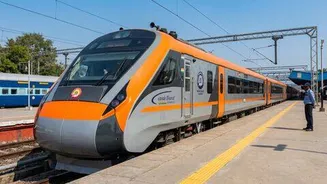
The introduction and expansion of air-conditioned local trains across Mumbai's Central and Western Railway lines, while celebrated for providing relief
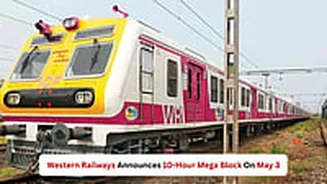
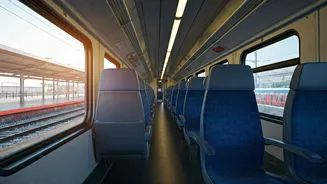
from the sweltering heat, have inadvertently led to a significant disruption of the existing suburban rail rhythm. As Central Railway converted 14 non-AC services to AC and Western Railway transformed 12, their total AC services now stand at 108 and 145 respectively. However, this shift has not been without its drawbacks. Commuters are frequently experiencing persistent delays and unreliable service substitutions, turning what should be a comfortable commute into a source of frustration. Even passengers opting for the premium AC experience are not immune, with many reporting that their journeys are routinely extended by 10 to 15 minutes. This delay, though seemingly minor for AC commuters, has a cascading impact on the entire network, pushing back subsequent non-AC services and increasing waiting times for the majority of passengers.
Cascading Delays and Overcrowding
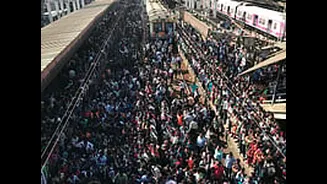
The ripple effect of AC train delays extends far beyond the individual services that are held up. A single late-arriving AC local, even by a few minutes, can significantly impact the punctuality of numerous subsequent trains on the network. This phenomenon is exacerbated by the current operational reality of Mumbai's suburban rail system, which is running at an estimated 120% to 130% capacity. This extreme utilization leaves very little buffer time between train movements, making the entire system highly susceptible to even minor disruptions. Compounding these scheduling challenges is the issue of overcrowding within the AC coaches themselves, particularly during peak hours. Passengers eager to board the cooler carriages often congregate around the sensor-controlled automatic doors, preventing them from closing promptly and further delaying departures. In some instances, this has led to services operating with doors ajar, a testament to the immense pressure these new services are facing and the ongoing struggle to manage passenger flow effectively.
Remedial Measures and Commuter Concerns
In response to these escalating issues, railway authorities have been implementing several remedial measures aimed at improving operational efficiency and passenger experience. These include the deployment of additional personnel from the Railway Protection Force (RPF) and Government Railway Police (GRP), alongside ticketing staff, to better manage crowd control at stations. Furthermore, queueing protocols have been introduced at busier stations, such as the colour-coded system implemented at Nalasopara, to streamline the boarding process by prioritizing passengers alighting the train before allowing new passengers to embark. To further alleviate congestion and accommodate demand, the frequency of AC services has been increased. For instance, AC locals on the Harbour line have doubled from 14 to 28, and Central Railway has added peak-hour services. While these steps are intended to gradually ease crowding, commuters remain concerned about the lack of timely communication regarding sudden service substitutions between AC and non-AC trains. Often, passengers only discover these changes upon reaching the platform, leading to missed trains and extended waits, especially at smaller stations where real-time display board updates are often absent, forcing reliance on third-party apps.
Fare Disparity Woes
Beyond the operational disruptions, a significant point of contention for commuters is the disparity in fares between AC and non-AC services. Passengers who have purchased an AC ticket often feel shortchanged and inconvenienced when their designated AC train is unexpectedly replaced by a non-AC service. This forces them into an undesirable choice: either travel in a non-AC coach, which defeats the purpose of paying for a premium service, or wait for an extended period for the next available AC train. Adding to this frustration, commuters argue that they are rarely offered compensation or a refund for the fare difference when such substitutions occur. This financial and experiential disconnect highlights a critical challenge in integrating the AC services smoothly into the existing suburban rail ecosystem, impacting both the perceived value and the overall satisfaction of the commuting public.