



Nourishing Roots
In a pioneering move, Rio de Janeiro's municipal government is spearheading a profound shift in child nutrition within its public school system. This initiative
centers on a dual strategy: an outright ban on ultra-processed foods (UPFs) and a commitment to serving freshly prepared meals, with a significant portion of ingredients sourced directly from school-managed farms. The objective is to address pressing public health concerns such as childhood obesity, malnutrition, and the growing prevalence of conditions like diabetes. By fostering a strong connection between students and the food they consume, from cultivation to plate, the city aims to cultivate not just healthier bodies, but also a deeper appreciation for wholesome eating and environmental stewardship. This approach ensures that students receive essential nutrients, encouraging physical development and an emotional bond with natural produce, setting a strong foundation for lifelong well-being and potentially inspiring future athletes and healthy citizens.
From Seed to Superheroes
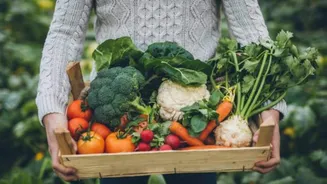
At government-run schools like EDI Gabriela Mistral, learning extends beyond traditional academics to encompass the cultivation of food. Educators like Laura engage young students in hands-on activities on school farms, teaching them about the importance of soil health, water conservation, and the joy of growing their own produce. This immersive experience allows children to connect with nature and understand the origins of their food, fostering a sense of pride in what they eat. The curriculum integrates edible flowers and medicinal plants, broadening their understanding of food's diverse roles. This farm-to-table education aims to prevent children from developing a reliance on the intense flavors of processed foods, instead encouraging them to appreciate the natural taste and nutritional value of fresh ingredients. The goal is to empower them to be as energetic and resilient as superheroes, fueled by the wholesome food they helped to grow.
The Menu Makeover
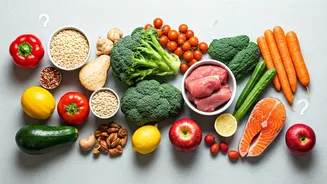
Rio's public schools are undergoing a significant menu transformation, moving away from pre-packaged snacks and sugary items towards delicious, science-backed meals prepared from scratch. These menus, developed by the Annes Dias Institute of Nutrition, are designed to provide at least 30 percent of a child's daily nutritional needs, incorporating beans, vegetables, and fruits to combat deficiencies and enhance overall diet quality. The Annes Dias Institute, along with trained nutrition scientists, plays a crucial role by overseeing the curriculum, training school cooks, and conducting biannual health checks to monitor student well-being and adherence to health parameters. This meticulous approach has resulted in over 91 percent of school meals now being entirely unprocessed, with a diverse offering of 65 healthy meal options available. Furthermore, a substantial 30-40 percent of the school meal budget is allocated to sourcing supplies from small, local producers, thereby incentivizing sustainable agriculture and ensuring children have consistent access to fresh, high-quality ingredients.
Monitoring Health & Impact
The municipal government of Rio de Janeiro is implementing a robust health monitoring system for its students, utilizing AI and community health agents to identify and support families in vulnerable situations. This proactive approach ensures that children's nutritional needs are met, connecting them with essential public services. The enforcement of the new food policy is stringent, with mechanisms in place for parents to report violations via calls or a dedicated app. Schools that fail to comply face public criticism from the health department. The positive impact of these initiatives is already evident, extending beyond public schools to private institutions, which are also re-evaluating their meal programs. Parents are reporting significant changes in their family's eating habits, influenced by their children's positive experiences with healthy food. This comprehensive strategy is proving effective in reducing the consumption of ultra-processed foods, leading to improvements in children's Body Mass Index (BMI) and addressing issues like the 'skinny fat syndrome,' where malnutrition can lead to unhealthy weight gain.