




A Blend of Worlds
In the heart of Kolkata's bustling Chinatown, within the historic Tangra neighbourhood, lies a temple that beautifully encapsulates the city's multicultural
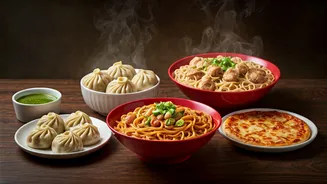
spirit. Known as the Chinese Kali Temple, or China Kali Bari, it’s a place where deep-rooted faith gracefully intertwines with a rich tapestry of cultural heritage. What truly captivates visitors and devotees alike is the temple's unique approach to prasad, the sacred food offered after worship. Instead of the usual fruits, sweets, or laddoos, this temple presents an extraordinary selection of offerings, including noodles, momos, and even pizza, to the presiding deity. This distinctive practice has transformed the temple into a significant attraction, drawing curious minds and spiritual seekers from all corners of the nation, eager to witness this fascinating amalgamation of devotion and flavour.
Roots in Community
The origins of this remarkable temple trace back several decades, established by members of Kolkata's Chinese community who had made Tangra their home, many building their livelihoods in the local leather industry. Over time, these settlers not only integrated into the local fabric but also developed profound reverence for Goddess Kali, Bengal's most cherished deity. Rather than adhering strictly to conventional Hindu prasad customs, the community thoughtfully incorporated elements from their own vibrant culinary traditions into the temple's rituals. Consequently, beloved dishes like noodles and other Chinese fare became sacred offerings. This was more than just a novel idea; it was an deeply heartfelt expression of devotion and gratitude, communicating their faith through the comforting and familiar tastes of their heritage. This practice signifies a bridge between two cultures, expressed through food.
Sacred Rituals, Unique Offerings
Despite the unconventional nature of its prasad, the Chinese Kali Temple rigorously adheres to established Hindu religious practices. Idols of Goddess Kali and Lord Shiva are enshrined within the temple, and daily prayers are conducted with the same solemnity and devotion as observed in any traditional Hindu shrine, overseen by a dedicated priest. The distinct difference, however, lies solely in the blessed food distributed after the ceremonies. Devotees depart with plates filled with steaming noodles or freshly made momos, symbolizing blessings that elegantly transcend cultural and ethnic boundaries. This practice of offering Chinese cuisine as prasad isn't a fleeting trend; it profoundly embodies the inclusive ethos of Kolkata. It’s a city that has historically thrived by welcoming and celebrating diversity, allowing communities from various backgrounds to coexist and mutually enrich each other’s traditions. The Chinese Kali Temple stands as a vivid, living testament to this harmonious coexistence and shared heritage.
Cultural Immersion & Gastronomy
For any traveler, the Chinese Kali Temple offers an experience that extends far beyond mere spiritual solace. It presents a rare and enriching cultural encounter that resonates long after the visit concludes. It is a place where one can savor noodles blessed by the divine presence of Goddess Kali, embodying an extraordinary fusion of piety and culinary artistry. The shrine brilliantly showcases the seamless integration of Chinese customs with Bengali spirituality, while also narrating the tale of resilience and adaptability displayed by Kolkata's Chinese community. The temple’s lively atmosphere and distinctive rituals further enhance its allure, crafting memorable moments that remain etched in the minds of all who visit. No exploration of this unique site is truly complete without venturing into Tangra itself, Kolkata's Chinatown, renowned for its numerous eateries serving popular Indo-Chinese dishes like chilli chicken and Hakka noodles.