
A Royal Title
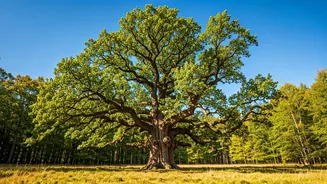
The title of 'king of trees' is often bestowed upon the Teak tree, renowned for its exceptional qualities. The Teak tree, also known by its botanical name
Tectona grandis, is a deciduous tree belonging to the family Lamiaceae. This tree is native to South and Southeast Asia, including India, Myanmar, Thailand, and Laos. The tree's classification as a 'king' stems from its remarkable properties that make it highly valuable and sought after. This includes superior durability and resistance to harsh weather and pests. Its strength, coupled with its longevity, allows it to stand tall in various environments.
Strength and Durability
The Teak tree's reputation for strength and durability is well-deserved. Teak wood is exceptionally robust, able to withstand the test of time, and is highly resistant to decay, warping, and the damaging effects of insects. This resilience is attributed to its high silica content and natural oils. This natural composition allows the wood to withstand extreme weather conditions, making it an ideal choice for outdoor construction and furniture. Teak's durability has made it a favorite in shipbuilding, and its longevity has been proven for centuries.
Longevity: A Living Legacy
Teak trees are not just strong; they also live for a very long time. It can live for a hundred years or more, representing stability and resilience across generations. Many old Teak trees are living testaments to the tree's remarkable life span, which is reflected in the value of their wood. This long lifespan provides habitats for many creatures and stores large amounts of carbon. The fact that Teak trees can survive for centuries makes them a living legacy, a symbol of time and history.
Ecological Importance
Beyond its practical uses, the Teak tree plays a vital role in its ecosystem. The tree contributes to soil stability, prevents erosion, and provides shade, creating a microclimate that benefits other plants and animals. Its leaves, when they fall, enrich the soil. The Teak tree is also an essential part of the life cycle for many different animal species. The tree provides shelter and food for a number of animals and birds that inhabit the areas where it is found. Its presence helps create a balanced environment, showcasing the tree's contribution to ecological health.
Applications of Teak
Due to its combination of strength, durability, and natural beauty, the Teak tree is used in various applications. Its most popular use is in high-end furniture, where it is valued for its rich color and resistance to weather. Teak is also frequently used in boat building because of its ability to withstand the harsh marine environment. Its ability to repel water and resist rot makes it ideal for building decks, docks, and other structures exposed to the elements. These qualities have made Teak a favorite among builders and designers across the world.
Sustainability and Challenges
The growing popularity of Teak has led to significant challenges regarding sustainability. The high demand for Teak wood, coupled with its slow growth rate, has led to over-harvesting in some areas, raising environmental concerns. To address this issue, there are efforts to promote sustainable forestry practices, like cultivating Teak in plantations and following responsible harvesting techniques. This aims to balance the demand with protecting the tree's natural habitat. Initiatives like these help guarantee that future generations will continue to benefit from the many advantages of the 'king of trees' without harming its natural setting.