







New Tariffs Incoming
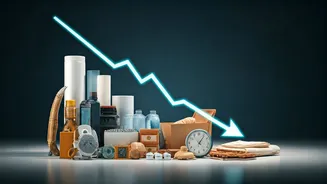
The United States is on the verge of issuing an executive order that will significantly reduce import duties on Indian products. This move is expected
to bring down the tariffs from the current 50% to a much more manageable 18%. This change is poised to benefit Indian exporters immensely, as they will be able to avail these reduced rates from the very moment the executive order is enacted by the US administration. This is a direct result of ongoing negotiations and signifies a positive turn in bilateral trade relations, culminating in an anticipated interim trade deal by mid-March.
Deal Details Emerge
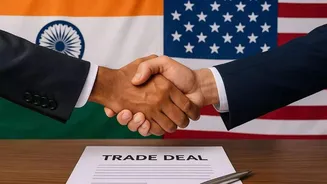
Both India and the United States have been diligently working on the finer points of their interim trade agreement. To finalize the legal documentation and witness the official signing, a key figure from the US trade delegation, Jamieson Greer, has been extended an invitation to visit New Delhi next month. This marks a crucial step following months of discussions aimed at resolving tariff-related disputes and fostering a more balanced trade environment. The announcement of an interim deal on Saturday serves as a testament to the progress made in these high-level talks.
Economic Growth Boost
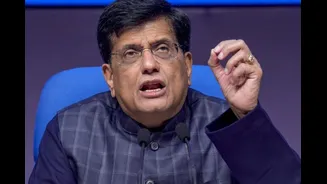
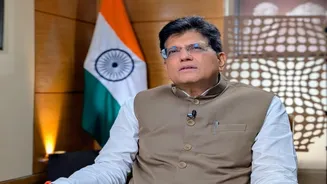
Piyush Goyal, India's Union Commerce Minister, has expressed strong optimism that the trade agreements being forged with both the European Union and the United States will provide a substantial impetus to India's economic expansion. He highlighted that India's status as the fastest-growing major economy is set to be further reinforced by these pacts. Early indicators from the industry sector for January suggest a positive trend, with market sentiment pointing towards renewed enthusiasm among businesses. This suggests a favorable business climate and a growing confidence in the country's economic trajectory.
Export Sector Benefits
The upcoming trade deal promises a significant uplift for Indian exports. It is estimated that more than half of the products India sends to the US will now enjoy zero import duties. While a small percentage, about 10-15%, of Indian items, particularly in sectors like steel and aluminum, will still be subject to the 'sectoral 232 tariffs' which can go up to 50%, a substantial portion of Indian exports, approximately 35%, will now face the significantly lower 18% tariff rate. This tiered approach reflects a targeted effort to open up markets for a wide range of Indian goods.
Key Industries Gain
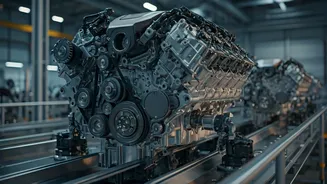
The landmark trade agreement is expected to yield considerable advantages for several vital Indian industries. The textile sector, in particular, is anticipated to witness immense benefits. Furthermore, the import of crucial machinery and essential auto components into India is also projected to see positive impacts. Products such as leather goods, footwear, sports equipment, furniture, and various handicrafts and handloom items are poised to experience immediate positive repercussions from this new trade framework.
Agricultural Protections
The interim trade deal is structured to ensure significant growth in India's agricultural and marine exports, with projections indicating a near doubling of exports from the current $54 billion to an impressive $100 billion. However, a critical aspect of the agreement is the complete exclusion of certain key agricultural items to safeguard India's domestic farming sector. Products like all dairy items, poultry, meat, rice, wheat, ragi, sugar, soya, corn, bajra, jowar, maize, bananas, green peas, kabuli chana, and all genetically modified products are specifically kept out of the purview of this trade deal, recognizing their importance to India's agricultural self-sufficiency.
US Purchases Included
As part of the broader trade negotiations, India has committed to substantial purchases of products from the United States. The agreement includes plans for India to acquire approximately $500 billion worth of US goods, with a particular focus on advanced technology items such as Graphics Processing Units (GPUs) and sophisticated Information and Communication Technology (ICT) products. India is also actively seeking favorable terms and relaxations concerning the supply of GPUs and specialized Nvidia chips as a component of these ongoing comprehensive trade discussions.