
Eclipse Date Revealed
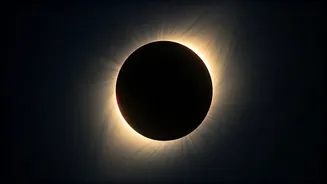
The highly anticipated solar eclipse is scheduled for January 12, 2026. This date is set to be a significant one for astronomy enthusiasts. On this day,
the moon will pass between the sun and the Earth, creating a mesmerizing display of light and shadow. The specifics of the eclipse, including its exact timing and the geographical areas from which it will be visible, remain critical aspects to monitor. Being aware of the exact date allows individuals to prepare and secure the necessary equipment or make travel arrangements to view this celestial event. Remember to keep an eye on official astronomical announcements to get the precise time of the eclipse and other key details to make the most of this rare event.
Indian Visibility Prospects
The primary question on the minds of many astronomy enthusiasts in India will be whether the eclipse will be visible from the country. Determining its visibility involves an understanding of the eclipse's path, also known as the path of totality, and its alignment with the geographical location of India. The eclipse's path is the area where the moon fully covers the sun, resulting in the most dramatic experience. For Indian viewers, partial phases of the eclipse may be viewable, where the moon obscures only a portion of the sun. Even partial eclipses offer a unique and fascinating visual spectacle. Regular updates from astronomical organizations and weather conditions will determine the eclipse's visibility across different Indian regions. Checking these updates closer to the date will help determine specific viewing locations.
Who Can Witness It?
Understanding who can see the solar eclipse involves assessing its visibility based on geographical location and local weather conditions. The path of totality, where the sun is completely covered, will determine where the best viewing experiences will be. Individuals located within or near this path will be able to witness the total solar eclipse. Others, who are outside the path but within a certain radius, may experience a partial solar eclipse, where the moon covers a portion of the sun. Moreover, those interested in viewing must be aware of their local weather conditions on the day of the eclipse. Unfavorable weather, like heavy cloud cover, can obscure the view, irrespective of their location within the eclipse's path. Thus, anyone with clear skies in areas where the eclipse is visible will be able to experience this celestial event.
Safety Viewing Guidelines
Safety is paramount when viewing a solar eclipse. The sun's intense rays can damage your eyes and cause serious injury, even during a partial eclipse. Direct viewing without proper eye protection can lead to permanent vision loss. Approved solar viewing glasses, which comply with the ISO 12312-2 international safety standard, must be worn at all times while looking at the sun directly. Regular sunglasses, even those with high UV protection, are insufficient to shield your eyes from solar radiation. Alternatively, if you do not have glasses, using a pinhole projector is a safe method to observe the eclipse indirectly. Ensure the safety of young children by supervising them during viewing and ensuring they use appropriate eye protection. Remember that any safe viewing practice should prioritize protecting your eyesight.
Eclipse Viewing Dos
There are several crucial guidelines that are a must-do for a safe and enjoyable solar eclipse experience. Firstly, always use certified solar viewing glasses or a safe solar filter to protect your eyes. It is important to check the glasses for any scratches or damage. Another method is to build or buy a pinhole projector to view the eclipse indirectly. Reviewing the local weather forecast before the eclipse day will help you prepare. Be sure to find a viewing location that has an unobstructed view of the sky. Bringing along snacks, water, and anything else you may need to stay comfortable is crucial, especially if you plan to be outdoors for an extended period. Most importantly, familiarize yourself with the timing of the eclipse phases to maximize your viewing experience. By following these guidelines, you can ensure a memorable and safe experience.
Eclipse Viewing Don'ts
There are equally important things to avoid when observing a solar eclipse. Never look directly at the sun without proper eye protection. Do not use regular sunglasses, exposed film, or other non-certified items, because they will not provide sufficient protection. Avoid using binoculars or telescopes without a solar filter, as they can concentrate sunlight and cause severe eye damage. Avoid watching the eclipse through a camera, phone, or any other optical device unless they have appropriate solar filters. Do not look at the sun during any phase of the eclipse unless you have proper equipment. Finally, avoid sharing unsafe viewing practices with others and be sure to lead by example. Remembering these safety measures guarantees that you can enjoy the eclipse while prioritizing your eye health.