






Ever-Present Nurturing
Indian mothers embody a style of parenting that is fundamentally about pervasive involvement. Unlike many Western approaches that might prioritize early
independence, Indian mothers tend to remain deeply integrated into their children's daily lives, regardless of age. This isn't about control for control's sake, but rather a culturally ingrained method of expressing care and ensuring well-being. Their engagement extends to the minutiae of a child's existence, acting as a constant, supportive presence. This approach stems from a belief that staying actively involved is a more potent demonstration of love and concern than a more hands-off method. It signifies a deep-seated commitment that doesn't wane as the child grows, but rather adapts its form while maintaining its intensity. This continuous involvement is a hallmark of their nurturing philosophy.
Food as Affection
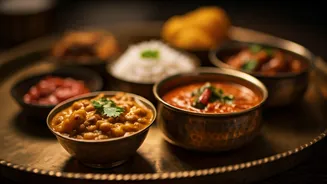
Within the Indian cultural context, food serves as a primary conduit for maternal affection and concern. The act of feeding is far more than simply providing sustenance; it’s a ritualistic expression of love and a constant reassurance of care. Mothers often engage in persistent efforts to ensure their children are well-fed, frequently offering more even when the child expresses fullness. Phrases like 'just one more bite' are less of a suggestion and more of an ingrained expectation, reflecting a deep-seated desire to nurture and protect. This focus on food transcends basic nourishment; it becomes a tangible way for mothers to convey their love, manage anxieties about their child's welfare, and offer comfort. It’s a language of care spoken through meals, a persistent offering that underscores their unwavering devotion.
Closeness Beyond Years
A defining characteristic of Indian mothering is the enduring closeness that persists long after a child has reached adulthood. This continuous connection manifests in various ways, from consistent reminders about safety and well-being to an intuitive awareness of subtle changes in a child's demeanor. Indian mothers often possess an uncanny ability to recognize nascent signs of distress or change in their children before the children themselves do. This isn't a fleeting phase of parenting but a lifelong commitment to involvement and support. While Western parenting paradigms often emphasize fostering independence early on, leading to a gradual decrease in visible parental oversight, Indian mothers maintain a strong, almost omnipresent connection. This closeness evolves but never truly dissipates, reflecting a profound bond that shapes the family dynamic across generations.
Cultural Lens on Care
The distinctive aspects of Indian maternal care, such as constant engagement and persistent feeding, might appear unusual or even overwhelming to those outside the culture. However, these practices are deeply embedded in a cultural understanding where active involvement is not perceived as overbearing but as a fundamental expression of love and trust. In many Western cultures, independence is encouraged, and parental involvement tends to become less conspicuous over time. Conversely, in India, closeness is not outgrown; it transforms. This enduring presence, though sometimes subtle, consistently shapes the lives of children. It's a form of care that doesn't necessarily announce itself but is always felt, a quiet but powerful influence that underpins familial relationships and reflects a unique, culturally specific definition of what it means to be a mother.