




Mother's Traditional Wisdom
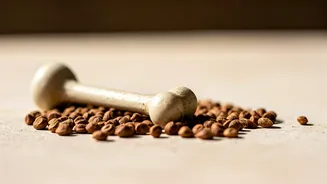
Divyanka Tripathi Dahiya recently shared a piece of maternal advice that has gained attention: her mother strongly recommends consuming chironji dana,
also known as Charoli or Almondette kernels. These seeds, possessing a subtle nutty flavour akin to almonds, are highlighted for their calcium content. Divyanka mentioned that her mother's insistence on chironji has intensified since her pregnancy was confirmed, with the belief that it contributes to the child's bone strength. This traditional practice underscores a long-held understanding of certain foods' benefits for maternal and fetal well-being, often passed down through generations. The actress herself was seen enjoying a wholesome puranpoli prepared by her sister, using Khapli wheat, indicating an appreciation for nourishing, traditional foods during this special period.
Expert Nutritional Insights
Dt Amreen Sheikh, a chief dietitian at KIMS Hospitals in Thane, validates the nutritional merit of chironji (charoli seeds), describing them as a food rich in essential nutrients. These seeds offer a beneficial blend of healthy fats, protein, and crucial minerals like calcium and phosphorus, all vital components for the robust development of a baby's skeletal system. However, Dr. Sheikh emphasizes that while chironji can be a valuable addition, it's not a standalone solution for guaranteeing strong bones. Optimal bone health during pregnancy is achieved through a comprehensive, balanced diet that sufficiently provides calcium, vitamin D, and protein. Chironji, therefore, should be viewed as a supportive element within a broader dietary strategy rather than a singular 'magic ingredient.'
Chironji's Role in Diet
Traditional foods frequently possess significant nutritional value, and chironji serves as an excellent illustration of this. Its energy density makes it a helpful food for overall nourishment, particularly beneficial for pregnant individuals who might experience challenges with appetite. Dr. Sheikh advises that while traditional recommendations hold merit, they should be integrated thoughtfully with contemporary medical understanding. The key lies in moderation, making such foods a part of a diverse and well-rounded eating plan rather than relying heavily on any single item. This balanced approach ensures that expectant mothers benefit from the goodness of traditional ingredients without compromising on essential nutritional diversity and established health guidelines.
Precautions and Considerations
It is essential for expectant mothers to be mindful of potential risks and exercise caution when incorporating chironji into their diet. Dr. Sheikh highlights that portion control is paramount due to the seeds' high calorie and fat content; excessive consumption could lead to unwanted weight gain during pregnancy. Furthermore, individuals with a history of nut allergies must exercise vigilance, as chironji, being a seed, could trigger reactions in sensitive persons. Before making any substantial adjustments to their diet, pregnant women are strongly urged to seek guidance from their doctor or a qualified dietitian. This consultation ensures that any new food item is appropriate and safely integrated into their prenatal nutritional plan.
Focusing on Baby's Bones
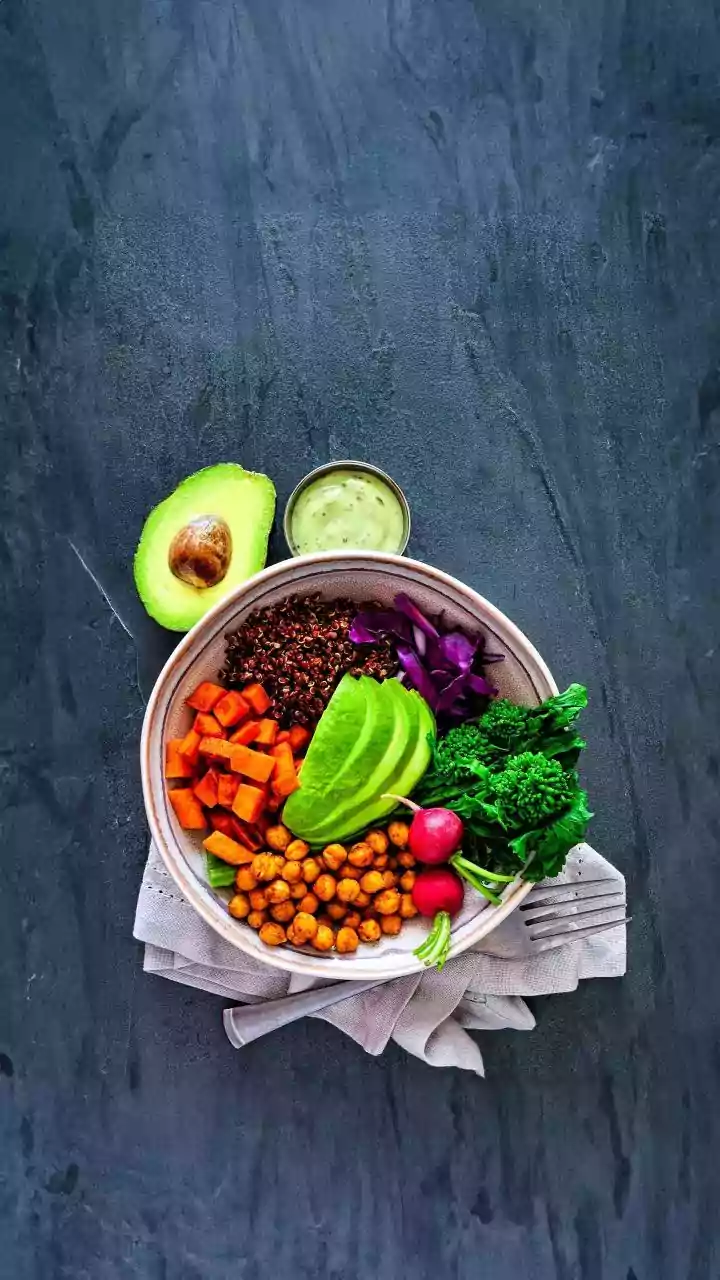
When aiming to foster a baby's bone health, the primary focus for expectant mothers should be on a diet that is rich in a variety of essential nutrients, rather than fixating on a single food item. Dr. Sheikh underscores the importance of calcium-rich foods like milk, yogurt, paneer, and leafy green vegetables, complemented by adequate vitamin D, often obtained through safe sun exposure. Protein sources, such as dals, pulses, eggs, or lean meats, are equally vital for overall development. Beyond diet, maintaining good hydration and adopting a generally healthy lifestyle also contribute significantly to both maternal well-being and optimal fetal growth. This holistic approach ensures the baby receives all the necessary building blocks for strong bones and healthy development.
Chironji: A Supportive Addition
In conclusion, incorporating chironji into a pregnancy diet is certainly acceptable, provided it is done in moderation. It can serve as a valuable, supportive component of a well-rounded eating plan, rather than being perceived as a standalone solution for bone health. The most effective strategy for ensuring both the mother's health and the baby's optimal development remains a balanced diet, carefully curated and guided by the advice of a healthcare professional. This ensures that all nutritional needs are met, while traditional and modern dietary recommendations are harmoniously integrated for a healthy pregnancy journey.