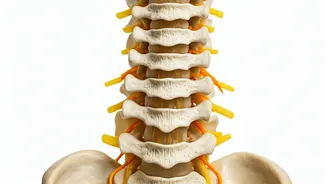

Understanding Neck Pain
Neck pain, a widespread ailment, can manifest in several ways, from a dull ache to a sharp, intense pain. It may be accompanied by stiffness, headaches,
and even radiating pain into the shoulders or arms. The causes are diverse, encompassing muscle strains, poor posture, injuries, or underlying medical conditions. Everyday activities, such as prolonged computer use, sleeping in an awkward position, or engaging in strenuous physical activities, can trigger neck pain. Identifying the root cause is the first step towards effective treatment, as the optimal approach varies depending on the underlying issue. Therefore, understanding the potential triggers and symptoms is essential for anyone experiencing neck discomfort.
Why See a Doctor?
While some neck pain resolves on its own, certain symptoms warrant a doctor's visit. Persistent pain, pain accompanied by neurological symptoms like numbness or weakness, or pain resulting from an injury should never be ignored. A medical professional can accurately diagnose the cause of your discomfort through a physical examination, review of medical history, and, if necessary, imaging tests like X-rays or MRIs. A proper diagnosis guides the most appropriate treatment plan. Self-treating or relying on anecdotal advice may provide temporary relief but could potentially mask a more serious condition, thus delaying proper care and worsening the underlying problem. Seeking professional medical attention ensures a comprehensive evaluation and personalized treatment strategy.
Beyond Simple Remedies
The common advice to use ice, rest, and over-the-counter pain relievers can be helpful for minor neck pain; however, they may not be sufficient for all types of neck pain. A doctor can offer a broader range of treatments based on the diagnosis, which could include physical therapy, prescription medications, or, in rare cases, surgical intervention. Physical therapy, for example, can help improve posture, strengthen neck muscles, and alleviate pain through specific exercises and techniques. Prescription medications may manage pain and inflammation more effectively than over-the-counter options. Consulting a doctor opens doors to a wider array of treatments tailored to your unique needs, rather than relying on generalized solutions that might not address the root cause of the pain.
Long-Term Management
Managing neck pain effectively involves not just treating the immediate symptoms but also addressing the underlying causes and preventing future episodes. Your doctor can guide you on lifestyle adjustments to minimize strain on your neck. This might include recommendations for proper posture at work, ergonomic adjustments to your workspace, or regular breaks to stretch and move around. Furthermore, a doctor can help you develop a long-term plan that includes exercises and other strategies to strengthen your neck muscles and improve flexibility. By adopting these strategies, you can minimize the likelihood of recurrence and improve your overall well-being. A proactive approach, guided by a medical professional, is the key to lasting relief and a healthier neck.
When to Act Now
Certain warning signs should prompt immediate medical attention. Severe pain, especially if it comes on suddenly, should never be ignored. Similarly, any neurological symptoms like tingling, numbness, or weakness in the arms or hands warrant prompt evaluation. If the pain results from an injury, such as a fall or a car accident, seek immediate medical care. These symptoms could indicate a serious underlying problem that requires immediate treatment to prevent further complications. Waiting or attempting to self-treat can be detrimental in these situations. Timely intervention can significantly improve outcomes and prevent long-term damage. Always prioritize your health and seek professional medical advice when in doubt.