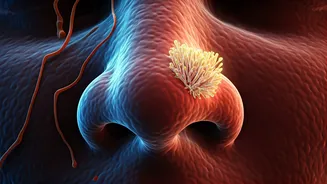









Nasal Ecosystem Unveiled
Our nasal passages serve as a crucial entry point for the air we breathe, fostering a complex environment teeming with various microorganisms, including
a diverse array of fungi, alongside bacteria and viruses. Respiratory issues, such as allergic rhinitis characterized by sneezing and a runny nose, and asthma, which involves narrowed airways and breathing difficulties, affect a significant portion of the global population, leading to considerable discomfort and diminished quality of life. A notable scientific endeavor undertaken in Portugal has shed light on a potential association between these prevalent conditions and distinct fungal communities, or mycobiomes, found within the nose. This groundbreaking study, published in Frontiers in Microbiology and spearheaded by Dr. Luis Delgado of the University of Porto, meticulously analyzed the nasal fungal profiles of 214 individuals. The participants comprised 155 individuals diagnosed with both allergic rhinitis and asthma, 47 who suffered from rhinitis alone, 12 with asthma only, and a control group of 125 healthy participants. The research aimed to explore whether specific fungal patterns could be identified in those experiencing these respiratory challenges, thereby offering novel perspectives on their underlying mechanisms and potential therapeutic interventions.
Fungal Signatures Identified
The investigation revealed intriguing patterns in the nasal mycobiomes of participants. Individuals experiencing allergic rhinitis demonstrated a greater variety of fungal species residing in their noses when compared to their healthy counterparts, suggesting that a richer fungal presence might be linked to this allergic response. Furthermore, a significant observation was made concerning patients who had both allergic rhinitis and asthma; their fungal communities appeared to be highly interconnected. This interconnectedness hints at a potential role for fungi in actively shaping the immune landscape within the nasal cavity, possibly contributing to the inflammatory processes characteristic of these conditions. Beyond just the presence and diversity of fungi, the study also examined metabolic activity. It was found that three specific metabolic pathways, crucial for the synthesis of DNA and RNA, were more active in individuals with respiratory conditions. This heightened activity could signify unique biological processes influenced by the nasal fungi, potentially highlighting targets for future therapeutic strategies aimed at modulating these pathways.
Contextualizing Nasal Fungi
To better understand the implications of these findings, it's important to define what nasal microbiomes are. Dr. Deepti Sinha, Lead Consultant at the Department of ENT at CK Birla Hospital, explains that the nose acts as a conduit for inhaled air, naturally hosting an ecosystem of microorganisms, including fungi, bacteria, and viruses. Whether these microbes trigger disease is contingent upon various factors, such as an individual's immune status, overall health, and the specific characteristics of the microorganism itself. Dr. Sinha also pointed out critical nuances. Nasal microbiomes are not static; they exhibit significant geographical and environmental variations. Factors like location, personal hygiene practices, and exposure levels to allergens can all influence the composition of these microbial communities. Therefore, findings from a study conducted in Portugal may not be universally applicable across different populations and environments. Moreover, imbalances in this delicate microbial ecosystem, termed dysbiosis, have been implicated in the development of allergies and respiratory infections, underscoring the vital importance of maintaining a healthy and balanced microbial environment within the nasal passages. While the Portuguese study represents a significant stride in understanding the fungal-respiratory link, Dr. Sinha emphasizes the necessity for further long-term research to definitively establish whether these nasal fungal communities are direct contributors to the progression of allergic rhinitis and asthma, or if they are merely associated markers.