





LPG's Mysterious Origins
Liquefied Petroleum Gas, commonly known as LPG, is primarily a combination of propane and butane gases. In their natural state, these elements are invisible
and possess no weight in the atmosphere. However, through the process of compression, they transform into a dense liquid, making them suitable for storage within cylinders. This transformation is what allows a typical household LPG cylinder to hold enough fuel to sustain cooking for several weeks. The genesis of LPG traces back millions of years to the earth's depths. Ancient plant and marine life, buried beneath vast layers of sediment, were subjected to immense heat and pressure over geological time. This transformative process gradually converted this organic material into the fossil fuels we recognize today as crude oil and natural gas. The production of LPG itself is a two-pronged operation: approximately 60 percent of the total LPG supply is derived from the processing of natural gas, while the remaining 40 percent is a byproduct of oil refining. The intricate separation of LPG from natural gas occurs within refineries, where the raw gas is subjected to high temperatures. Subsequently, it enters a distillation column, a crucial stage where propane and butane are extracted. These components transition into a liquid state when subjected to moderate pressure, enabling their efficient packing and storage for widespread transportation.
Global Supply Chains & Hormuz
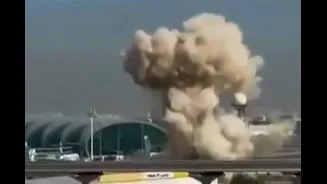
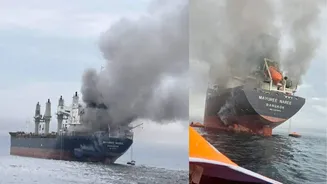
The journey of LPG from its production sites to Indian kitchens is intricately linked with global maritime routes, and the Strait of Hormuz plays a pivotal role. This narrow waterway, situated between Iran and Oman, serves as a crucial chokepoint connecting the Persian Gulf to the open ocean. It is recognized as one of the most significant energy transit routes worldwide, facilitating the passage of a substantial volume of global LPG shipments. Major LPG exporting nations, including the United States, Qatar, Saudi Arabia, and the United Arab Emirates, rely heavily on this passage for their exports. The current geopolitical tensions in and around this region create considerable strain on these shipping lanes. For India, a nation with one of the largest LPG consumption rates globally, these international dynamics are particularly consequential. Domestic production is insufficient to meet the country's vast demand, supplying only an estimated 35-40 percent of the total requirement. Consequently, India depends significantly on imports to bridge this gap. When disruptions occur in the Strait of Hormuz, they create ripple effects that can lead to supply chain bottlenecks, increased shipping costs, and potential shortages, ultimately affecting the availability and price of LPG for Indian consumers.
India's Cooking Fuel Dependency
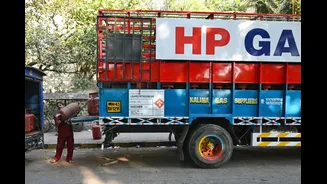
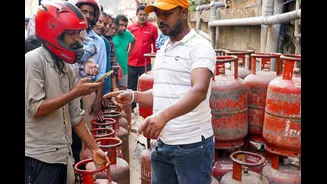
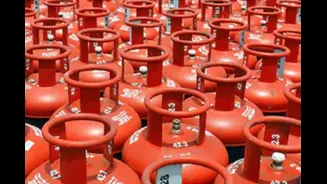
In India, LPG is an indispensable component of daily life, particularly for cooking. A staggering 87 percent of the total LPG demand is channeled into household kitchens, underscoring its importance for millions of families. The remaining 13 percent caters to commercial establishments, highlighting its broader economic utility. However, the nation's reliance on imports for its LPG needs makes it vulnerable to external factors. With domestic production covering only a fraction of the demand, India must secure substantial quantities from international markets. This dependence means that any instability in global supply chains, especially in critical transit areas like the Strait of Hormuz, can have a direct and immediate impact on the availability of cooking gas for Indian consumers. Fluctuations in global prices, increased freight charges due to rerouting or heightened risks, and potential delays in shipments can all contribute to a tighter market and potentially higher costs for end-users. The visual data, such as state-wise active LPG collections, further illustrates the widespread distribution and consumption of this vital resource across the country, emphasizing the far-reaching consequences of any supply-side disruptions.