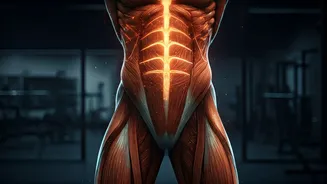







Core Powerhouse Explained
The human body's core is fundamental to nearly every action we perform, acting as a central hub of strength and stability. Maintaining a robust core goes
far beyond aesthetics, playing a pivotal role in overall physical health and daily functionality. It serves as the bedrock for all bodily movements, from the simple act of sitting upright to the complex mechanics of lifting and bending. A well-developed core is not solely about achieving visible abdominal muscles; its primary contributions lie in promoting stability, enhancing balance, and safeguarding the spinal column. Strengthening this area significantly aids in the prevention of injuries, cultivates improved posture, and elevates performance across a spectrum of physical activities, including workouts and routine daily tasks. The importance of this central musculature cannot be overstated for optimal physical well-being.
Lower Body Foundation
A well-structured lower-body regimen is instrumental in fortifying the body's primary support structure. The muscles in your legs, hips, and glutes are integral to fundamental daily movements such as walking, ascending stairs, lifting objects, and maintaining equilibrium. A potent lower body not only facilitates these actions but also effectively alleviates undue stress on sensitive areas like the knees and lower back, reducing the likelihood of pain and injury. The advantages of dedicating attention to lower-body training extend well beyond mere muscle augmentation. This type of training is known to refine posture, give a boost to metabolic rates, significantly improve balance, and lower the risk of falls, particularly as individuals advance in age. Moreover, the development of strong leg muscles contributes positively to cardiovascular health and plays a supportive role in effective weight management strategies.
Training Wisdom
To optimize gains and ensure adequate recovery, it is generally advised that the lower body be subjected to training sessions approximately twice per week. This frequency allows muscles sufficient time to recuperate and rebuild while still promoting consistent strength development. Equally vital to the success of any fitness regimen are rest days; these periods are as crucial for long-term fitness achievements and overall well-being as the days dedicated to strenuous workouts. A strong connection exists between lower body strength and metabolic health, as larger muscle groups inherently demand more energy, thereby elevating the resting metabolic rate when trained regularly, which aids in achieving desirable body composition goals. Furthermore, engaging in practical, functional movements that target the lower body not only refines physical appearance but also significantly enhances everyday performance and athletic capabilities. Above all, in the pursuit of fitness, the paramount importance of consistency and precise technique overshadows the mere lifting of heavy weights. Always initiate your fitness sessions with a proper warm-up, incorporate stretching post-workout, and importantly, pay close attention to your body’s signals; pain is an indication, not an obstacle to be ignored.