




The Collagen Conundrum
Many individuals, like a 30-year-old woman, turn to collagen supplements and topical creams hoping to erase wrinkles and signs of aging. She, along with
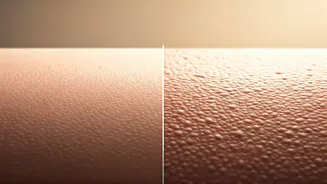
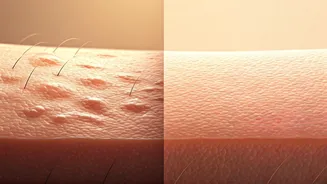
a 42-year-old man, initially observed positive changes such as plumper, more hydrated skin with improved tone and a smoother complexion. However, despite consistent use alongside healthy lifestyle choices like a clean diet and skincare routines, the persistent appearance of wrinkles and sagging skin led to disappointment. This highlights a common misconception: while collagen can enhance skin's appearance, it doesn't halt the fundamental biological processes of aging. It's crucial to understand that collagen products do not prevent or reverse the effects of intrinsic factors like cellular damage, hormonal shifts, and genetic predispositions, nor do they shield against external environmental stressors. The widespread belief in collagen as an anti-aging miracle is often amplified by marketing and studies funded by the very industries that promote these products, creating unrealistic expectations about its capabilities.
Why Production Declines
Our bodies are naturally equipped to produce collagen, a vital protein responsible for maintaining skin's firmness, smoothness, and elasticity. However, this intrinsic production begins to diminish, typically starting in our mid-twenties. This gradual decrease in collagen levels leads to a noticeable loss of skin elasticity, which in turn contributes to the formation of fine lines, deeper wrinkles, and a less firm appearance. Several factors can accelerate this decline or negatively impact collagen quality. For instance, a diet high in sugar can lead to a process where collagen fibers become stiff and brittle, compromising their structural integrity. Hormonal changes, such as the significant drop in estrogen experienced by women during menopause, also play a crucial role in collagen reduction. Understanding these natural processes and external influences is key to managing expectations about what collagen supplements can achieve.
Collagen's Journey Ingested
When you consume collagen in supplement form, it's important to understand that it doesn't directly travel to your skin to mend wrinkles. Instead, your digestive system breaks down the ingested collagen into its basic building blocks: individual amino acids. These amino acids then enter your body's general pool, becoming available for use wherever the body identifies the most urgent need. This means that the amino acids derived from collagen might be directed towards other bodily functions, not necessarily prioritized for skin repair or collagen synthesis in the face. Your body utilizes these essential nutrients based on its overall requirements, which can vary from day to day and depend on numerous physiological processes. Therefore, the notion that ingested collagen directly targets and replenishes skin collagen in specific areas like wrinkles is a significant oversimplification.
Holistic Aging Factors
The aging process of our skin is a complex interplay of numerous factors, extending far beyond just collagen levels. While collagen plays a role in maintaining skin quality, its effectiveness is significantly influenced by external and lifestyle elements. Prolonged exposure to the sun's harmful ultraviolet (UV) rays is a primary culprit in collagen degradation and premature skin aging. Dietary habits, particularly the intake of processed foods and excessive sugar, can also negatively impact skin health. Stress levels and inadequate sleep patterns are known to accelerate aging processes, while overall general health provides a foundation for skin resilience. To truly support skin health and mitigate the visible signs of aging, it is imperative to adopt a comprehensive approach that addresses these multifaceted influences alongside any skincare regimen.
Effective Wrinkle Strategies
When it comes to actively combating and preventing wrinkles, certain strategies prove far more effective than relying solely on collagen supplements. Sunscreens stand out as the most critical tool for protecting collagen from damage caused by UV radiation, thereby preventing premature aging. Topical retinoids are another powerful intervention, as they have been scientifically shown to stimulate the skin's own collagen production and simultaneously inhibit the enzymes responsible for breaking down existing collagen. Beyond topical treatments, fundamental lifestyle choices form the bedrock of robust skin health. Maintaining a balanced diet rich in nutrients, abstaining from smoking, and diligently managing sugar intake are more potent and sustainable methods for preserving skin structure and youthful appearance. While collagen products might offer mild improvements in hydration and skin feel, these interventions provide a more direct and scientifically supported path to managing wrinkles.