





The Cooking Connection
A substantial study originating from Japan has illuminated a fascinating correlation: older individuals who frequently engage in home cooking appear to
face a diminished likelihood of developing dementia. While this research highlights a strong association, it's important to note that it doesn't definitively establish cooking as a direct cause. Instead, this habit might be indicative of broader healthy lifestyle patterns. The investigation, conducted by The Japan Gerontological Evaluation Study, involved over 11,000 participants aged 65 and above, tracking them for six years to observe dementia incidence, cooking frequency, and self-assessed cooking skills. The data revealed that individuals who cooked at least once a week experienced notably less cognitive decline compared to their less frequent cooking counterparts. The study further specified that regular home cooks had a 23% lower risk of dementia for men and a 27% lower risk for women. Perhaps most striking were the findings for those just beginning to cook, who saw an impressive 67% reduction in their chances of developing dementia.
Beyond Nutrition
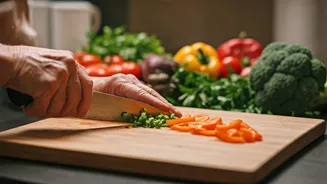
This significant association between home cooking and reduced dementia risk aligns with global health initiatives focused on preventative measures for cognitive decline. Co-author Yukako Tani, an associate professor at the Institute of Science Tokyo, emphasized that roughly 40% of dementia cases could potentially be prevented by modifying lifestyle factors, including diet and exercise, as identified by the 2020 Lancet Commission. She further elaborated that the act of cooking itself is a mentally demanding process. It necessitates complex cognitive functions such as meticulous planning, careful selection of ingredients, and adherence to recipes, all of which provide crucial mental stimulation. Therefore, home cooking offers a synergistic blend of nutritional advantages, physical engagement, and cognitive exercise, positioning it as a promising yet previously underemphasized factor in safeguarding against dementia.
Cognitive Workouts
While the study establishes a compelling link, it's crucial to reiterate that it doesn't assert cooking as the sole or direct cause of dementia prevention. The research specifically focused on a demographic of older Japanese adults, and further investigation across diverse populations may be warranted. Dr. Lynette Gogol, a neurologist not involved in the research, underscored the cognitive engagement inherent in cooking, describing it as far more than just food preparation. She highlighted that it involves intricate processes like planning, sequencing actions, maintaining attention, recalling information, making decisions, and seeing tasks through to completion. This mental engagement is a vital component for maintaining brain health. The study, published in the Journal of Epidemiology and Community Health, underscores that cooking is a mentally stimulating activity that can contribute significantly to cognitive resilience.
Holistic Benefits
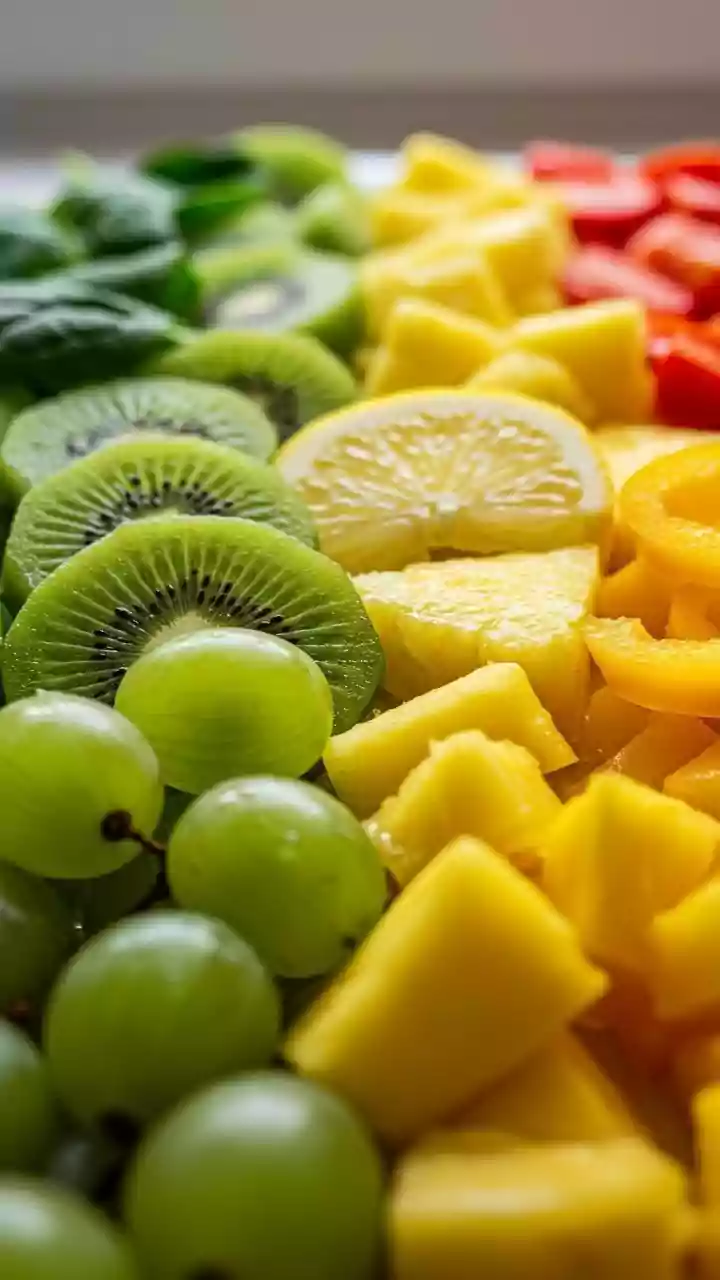
Dementia represents a growing global health challenge, particularly in societies with aging populations. Identifying modifiable lifestyle factors is therefore paramount, as these offer accessible strategies for individuals to actively reduce their risk and preserve cognitive function. Home cooking contributes to overall well-being in multiple ways. When individuals prepare their own meals, they are more likely to consume nutritious food, rich in whole grains, fruits, and vegetables, in contrast to highly processed options. Research consistently shows that such diets can mitigate cognitive decline in middle-aged and older adults. Furthermore, the process of cooking often involves movement and can foster social connections, adding another layer of benefit beyond the nutritional and cognitive aspects. Embracing home cooking, therefore, offers a multifaceted approach to enhancing both physical health and mental acuity.