






Triumph's Price Strategy
Triumph Motorcycles, a renowned name in the motorcycle world, is known for its stylish and high-performing bikes. The decision to adjust prices isn't out
of the ordinary; many factors within the automotive industry can lead to these changes. Production costs, which include raw materials, labor, and manufacturing processes, play a significant role. Market conditions also influence pricing. Changes in demand, competition from other brands, and currency fluctuations are all key elements that contribute to how prices are set. While the specific details of the price hike, such as the exact amount and the date of implementation, are still under wraps, the trend reflects typical business practices within the motorcycle market. Triumph’s move also needs to be viewed within the context of the overall market, where other manufacturers may be making similar adjustments. As a result, enthusiasts and potential buyers will be keenly watching for further official announcements.
Models Impacted
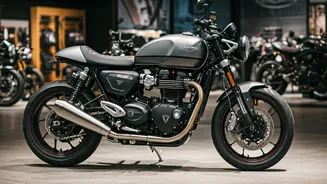
The price adjustments are expected to affect several Triumph models, including the Speed 400, Speed T4, and Thruxton 400. These specific motorcycles appeal to various rider preferences, from those seeking a sporty ride to those who value classic aesthetics. The Speed 400 is often praised for its accessible performance and modern design, making it popular with a broad range of riders. The Speed T4, known for its blend of performance and retro styling, resonates with those who like a classic look coupled with modern technology. The Thruxton 400 offers a retro cafe racer design, attractive to those who value heritage and style. The impact of the price increases may differ across these models based on production costs and market demand. While official details are awaited, it's clear that the price hike will impact the overall market values of these models, affecting how prospective buyers approach their purchasing decisions in the near future.
Factors Behind Hike
Several factors contribute to the price hike. One primary driver is the ongoing rise in production costs. Triumph, like other manufacturers, faces expenses related to raw materials such as steel, aluminum, and rubber, all of which are subject to global market fluctuations. Additionally, labor costs, especially in regions with high manufacturing standards, influence pricing. Transportation and logistics are also vital elements, with costs influenced by fuel prices and global shipping rates. Market dynamics such as consumer demand and the level of competition from other motorcycle brands also come into play. Currency exchange rates can directly impact pricing, particularly if components are sourced from multiple countries. Furthermore, regulatory compliance, including emissions standards and safety regulations, may also increase manufacturing costs, contributing to higher prices. Triumph has to carefully balance these factors to maintain profitability while remaining competitive in the market.
Market Implications
The impending price increase will impact the motorcycle market. Prospective buyers will need to adjust their budgets and consider whether the revised prices align with their financial plans. The hike might lead some consumers to explore alternative options from other brands offering similar models at lower prices. Existing owners of Triumph motorcycles may see their bike's resale value affected, influencing the used motorcycle market. The move by Triumph may also cause other motorcycle brands to reassess their pricing, potentially leading to a broader price adjustment across the market. The effects may also vary depending on the specific model. Furthermore, changes in pricing may affect Triumph’s sales figures in the short term, until the market adapts to the new price points. The motorcycle industry in India is highly competitive; therefore, Triumph's strategy will be closely examined by competitors, who might adopt similar measures.
Anticipated Timeline
The precise timing of the price increases remains uncertain. Announcements typically precede the implementation, and consumers should stay informed through official channels. Triumph will likely release details through its official website, social media, and authorized dealerships. The timing of the announcement could depend on factors such as market conditions, production schedules, and logistical readiness. There may be a period between the announcement and the actual price changes, which allows both the company and consumers to prepare. The duration of this transition phase may vary depending on logistical and strategic planning. Staying informed through the official channels is advised to obtain the most up-to-date information. Dealerships will play a role, as they will provide detailed information and answer any customer inquiries. Keep an eye out for news from Triumph to stay fully updated.